The Hidden Infrastructure Behind Wallet Reputation Scores
Wallet reputation scores are not generated in a vacuum. They rely on a complex backend infrastructure that ingests on-chain data, cross-references it with risk databases, and applies zero-knowledge proof protocols to verify identity without exposing sensitive details. This infrastructure is the plumbing that allows a score to exist, yet it remains largely invisible to the average user until something goes wrong.
At its core, this infrastructure consists of three moving parts: data aggregation layers that track transaction history, risk scoring engines that flag high-risk activities, and verification layers that use zero-knowledge proofs to confirm legitimacy. If any of these layers fail, the score becomes inaccurate or inaccessible. For institutions and high-stakes users, understanding this backend is as important as the score itself.
Most users think of a wallet as a simple storage device, but the reputation score transforms it into a dynamic identity card. The infrastructure must process millions of transactions in real time to update these scores. This requires robust node connectivity and sophisticated algorithms that can distinguish between legitimate high-volume trading and suspicious wash trading.
When the infrastructure is transparent, users can trust the score. When it is opaque, the score becomes a black box. This is why zero-knowledge proofs are gaining traction—they allow the infrastructure to prove a wallet is clean without revealing every transaction. This balance between transparency and privacy is the defining challenge of 2026 wallet reputation systems.
Comparing reputation score infrastructure
Choosing a wallet reputation system requires weighing three core tradeoffs: data breadth, privacy preservation, and computational cost. Because blockchain data is publicly auditable, a reputation score can show its work, but the method of aggregation varies significantly between providers. Understanding these differences helps institutions and users select the right identity layer for their compliance needs.
The following table compares the primary infrastructure approaches used in 2026. Each model offers different guarantees regarding on-chain verification and off-chain data integration.
| Provider | Data Scope | Privacy Model | Verification Method |
|---|---|---|---|
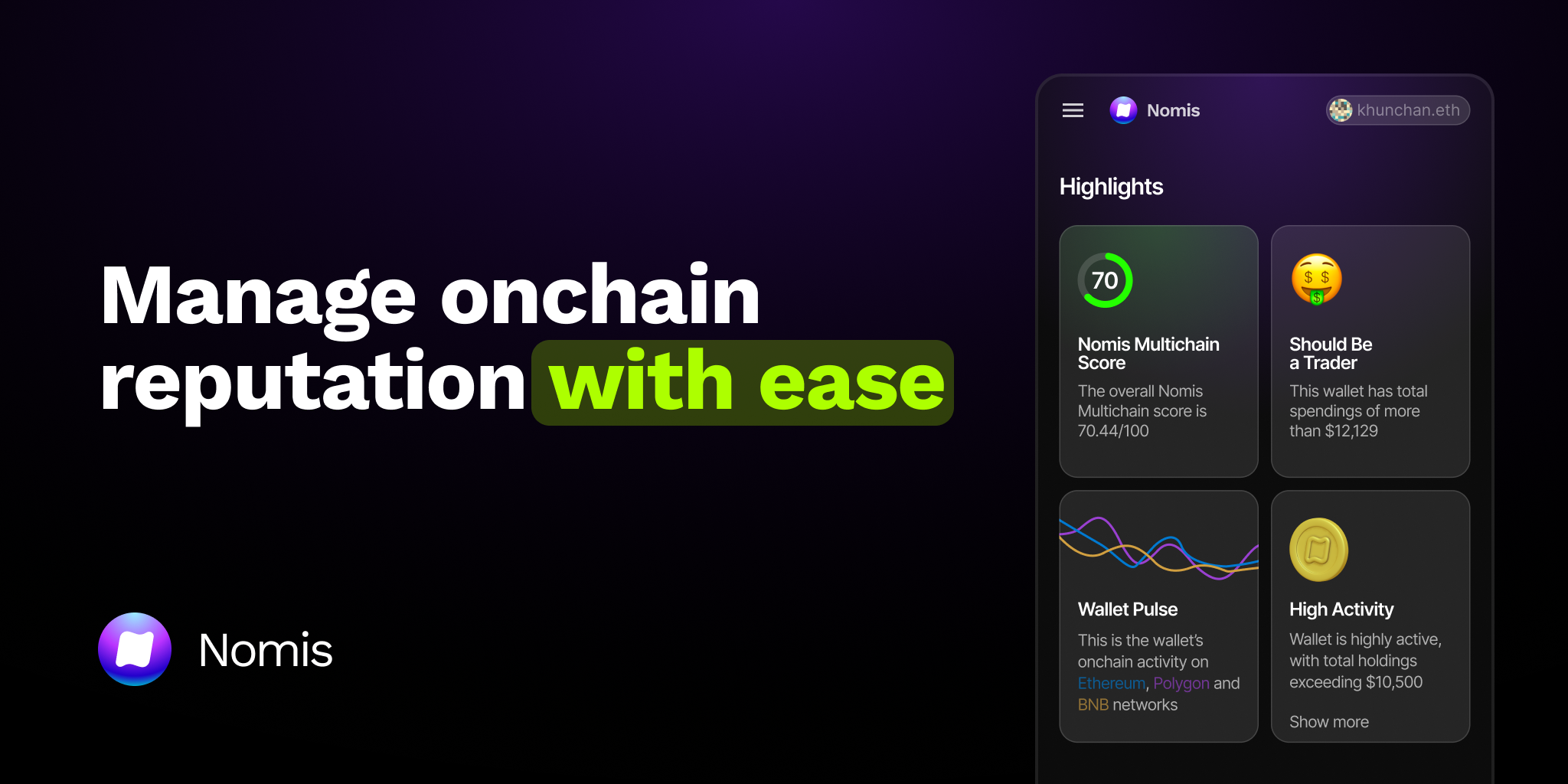
| Nomis Protocol | On-chain activity only | Public on-chain registry | Smart contract audit |
| ChainAware (Wallet Rank) | 10 on-chain parameters | Composite score (0-100) | Behavioral intelligence algorithm |
| RubyScore | On-chain + off-chain | Zero-knowledge proofs | ZK-proof verification |
| Ethos | Cross-chain identity | Decentralized identifier (DID) | Multi-signature validation |
Data scope and verification
Providers like Nomis rely strictly on on-chain activity, assigning scores based directly on transaction history and interaction patterns. This approach is transparent but limited to visible blockchain data. In contrast, systems like ChainAware synthesize multiple behavioral parameters to create a composite score, offering a broader view of wallet health without relying solely on raw transaction counts. RubyScore and Ethos integrate off-chain identity signals using zero-knowledge proofs, allowing users to prove reputation without exposing sensitive personal data.
Privacy and compliance choices that change the plan
Public registries offer maximum transparency but lack privacy, making them suitable for public compliance checks but less ideal for private enterprise use. Zero-knowledge proof models preserve user privacy while still satisfying regulatory requirements for identity verification. Institutions must decide whether they prioritize full data visibility or user privacy when selecting an infrastructure provider.
Build a wallet reputation framework
A wallet reputation score acts like a credit rating for blockchain addresses. It aggregates transaction history, interaction patterns, and risk flags into a single metric. For institutions, this score determines whether a counterparty can access liquidity or if a transaction will be blocked by compliance filters. Without a structured framework, you are navigating Web3 identity blindfolded.
The following steps outline how to implement a practical reputation scoring strategy. This process moves from data collection to final risk assessment, ensuring your compliance team can make defensible decisions based on transparent, on-chain evidence.
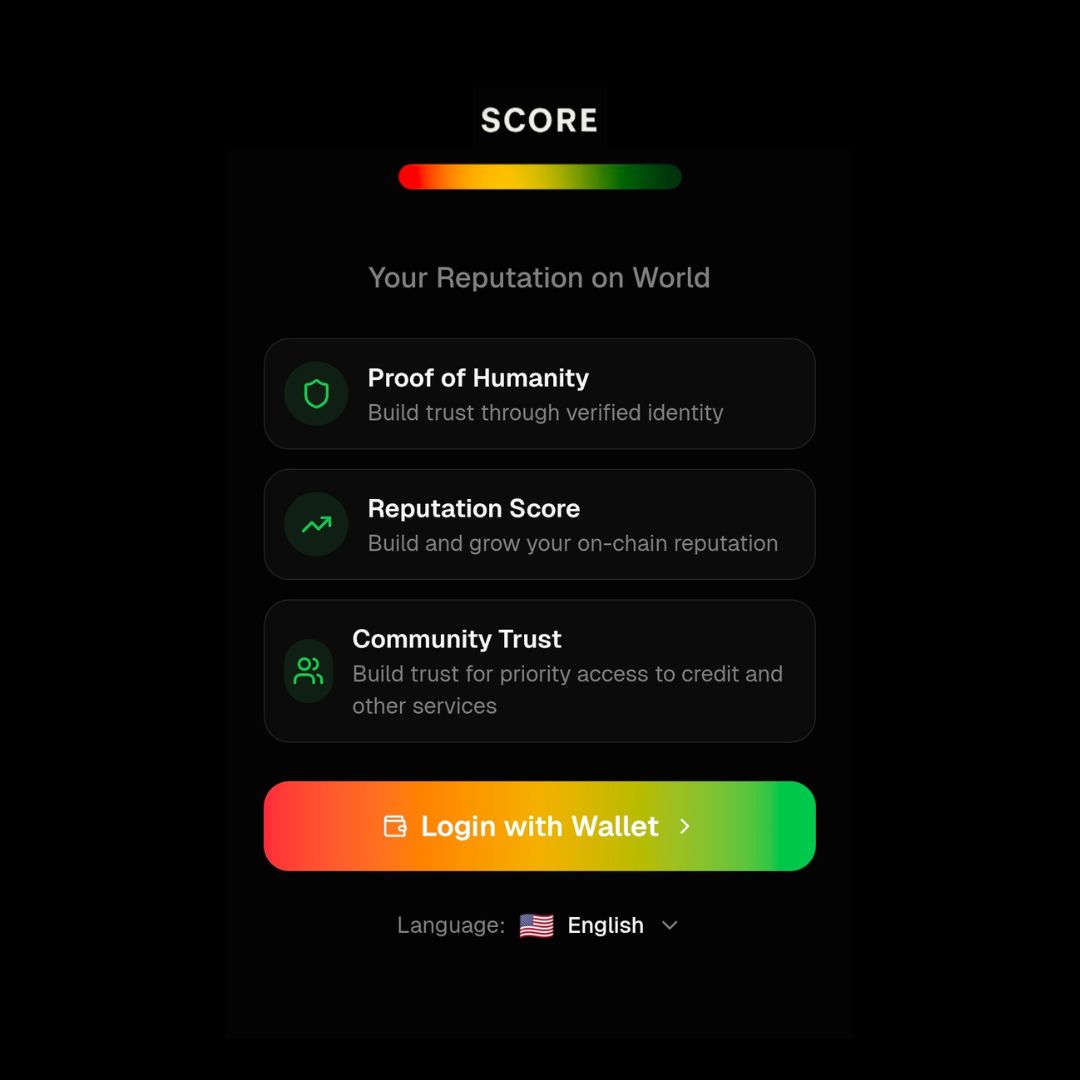
Begin by exporting the full transaction ledger for the target wallet. Look for interactions with known high-risk entities such as mixers, darknet markets, or sanctioned addresses. This raw data forms the baseline for your risk assessment. If the wallet has no history, treat it as a new, unverified entity rather than a safe one.
Cross-reference the address with official sanctions lists and internal blacklists. This step identifies immediate red flags. A wallet linked to ransomware or stolen funds will receive an automatic high-risk flag, regardless of its transaction volume. This check is non-negotiable for any institutional compliance strategy.
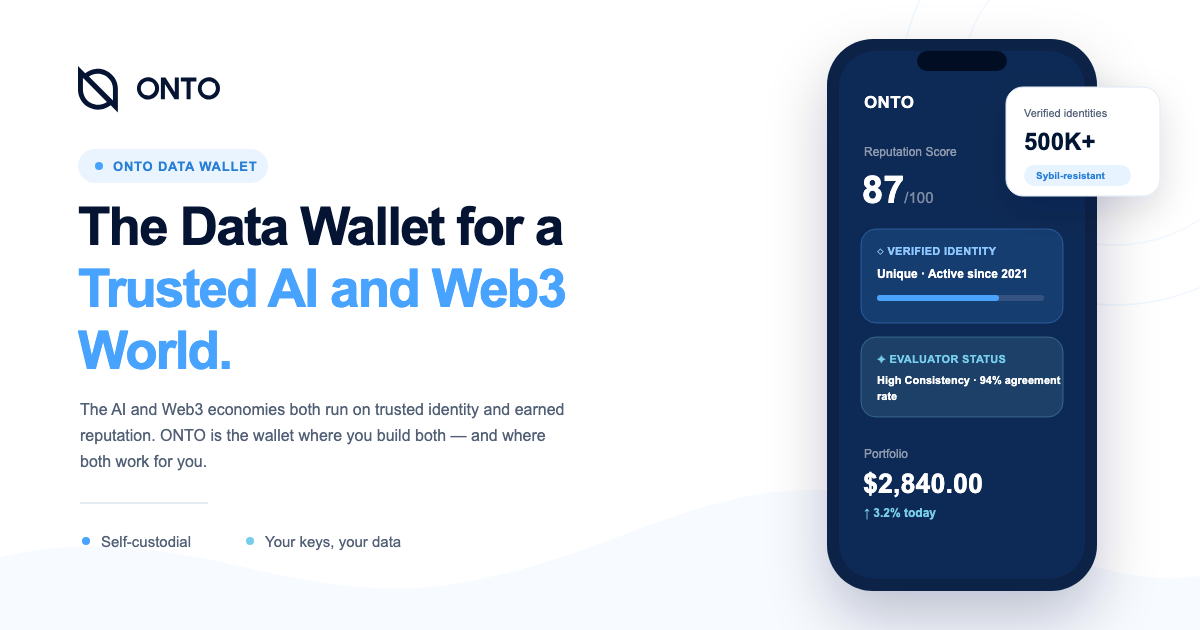
Use zero-knowledge proofs to verify the wallet owner’s identity without exposing sensitive personal data. This step confirms that the address belongs to a real, verified user rather than a bot or a shell entity. A verified identity significantly boosts the reputation score, indicating lower fraud risk.
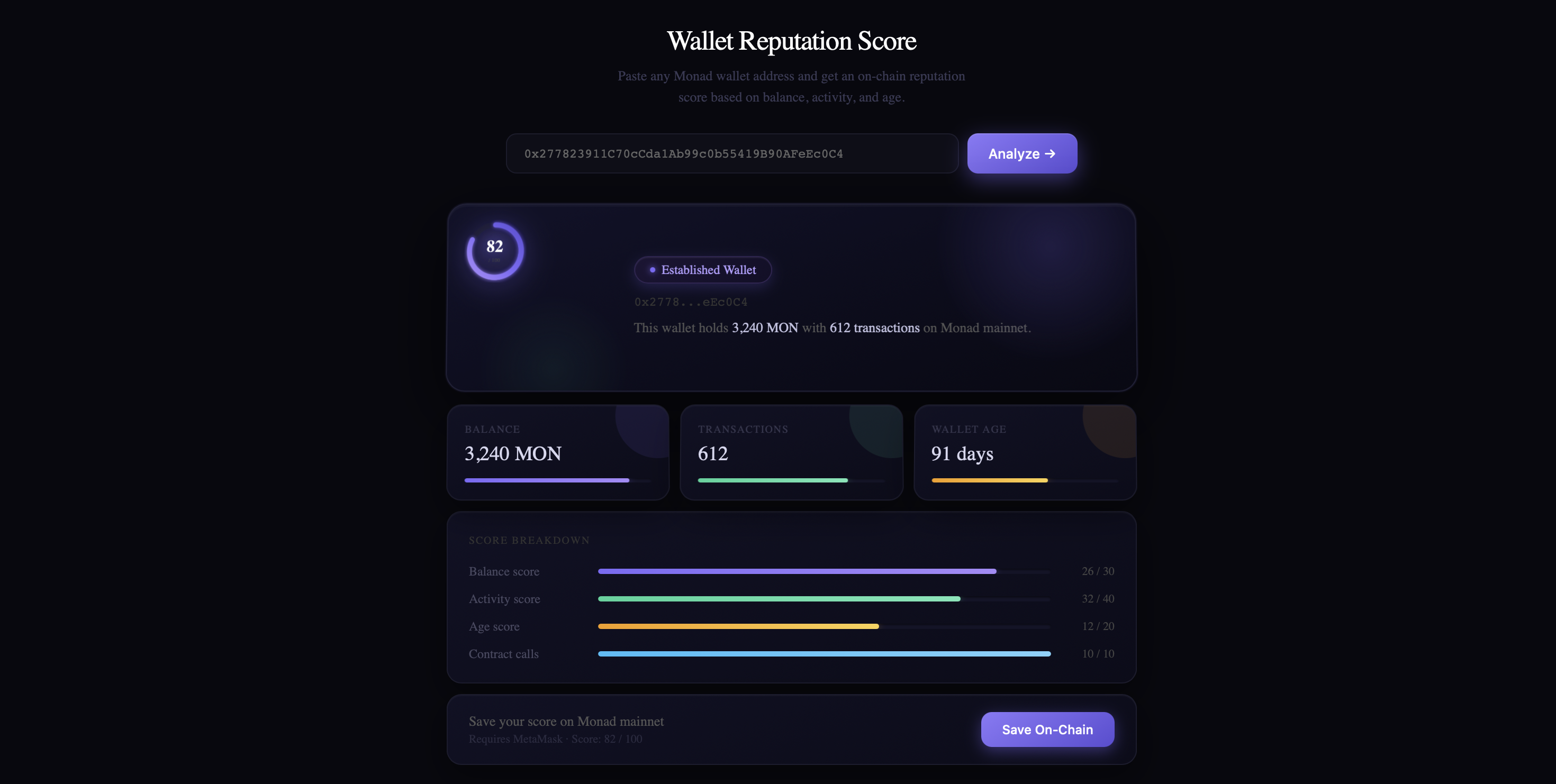
Combine the risk flags, identity verification, and transaction health into a final numerical score. This score should be dynamic, updating with every new transaction. Use this metric to determine access levels: high scores get streamlined onboarding, while low scores trigger enhanced due diligence.
This framework transforms abstract blockchain data into a clear compliance decision. By prioritizing verified identity and transparent history, you reduce exposure to regulatory penalties and financial fraud.
Spot the Weak Options in Wallet Reputation Scores
Zero-knowledge proofs promise privacy, but they often obscure the very signals compliance teams need. When evaluating a wallet reputation score, look past the headline number. The underlying data sources determine whether the score reflects actual user behavior or just transaction volume. A high score from a single chain tells you little about cross-chain risk.
Common mistakes include ignoring the proof’s validity period. ZK proofs expire, and relying on stale credentials leaves gaps in your audit trail. Check if the score updates in real-time or relies on batched historical data. Static snapshots are easily gamed by washing funds through multiple clean wallets.
Another weak option is the lack of transparency in the scoring algorithm. If the provider cannot explain which on-chain activities boost or lower the score, treat the metric with skepticism. Reputable systems show their work, linking specific behaviors—like consistent gas usage or long-term holding—to the final rating. Without this visibility, the score is just a black box.
Prioritize scores that integrate multiple data points: identity verification, transaction history, and network reputation. A robust system combines these into a unified view, reducing the risk of false positives. Always verify the source of the reputation data against official registries to ensure it reflects current regulatory standards.
Wallet reputation scores: infrastructure: what to check next
Wallet infrastructure refers to the software, hardware, and operational systems institutions use to store cryptographic keys, sign transactions, and manage access controls at scale. In the context of reputation scoring, this infrastructure must support zero-knowledge proofs (ZKPs) to verify identity without exposing raw transaction data. This ensures that compliance checks happen off-chain or in a privacy-preserving manner, keeping sensitive financial history confidential while still proving trustworthiness to protocols and regulators.
A wallet address is flagged as high risk when it interacts with entities on global sanctions lists, known scam contracts, ransomware collect addresses, or high-risk services like darknet markets and mixers. Reputation scores aggregate these interactions to generate a risk profile. If a wallet frequently mixes funds or interacts with sanctioned entities, its score drops, potentially locking it out of DeFi protocols or triggering enhanced due diligence requirements from centralized exchanges.
The most trustworthy crypto wallets in 2026 prioritize security, open-source verification, and active reputation score integration. Hardware wallets like Ledger and Trezor remain foundational for key storage, but software integration with reputation protocols like Nomis or RubyScore is equally critical. Trustworthiness now depends on both the physical security of the device and the digital hygiene of the wallet’s on-chain history. Look for wallets that allow you to easily view and improve your reputation score through transparent, ZK-based verification.
Choosing the best cold wallet for crypto in 2026 involves balancing hardware security with software compatibility. Modern cold wallets should support direct integration with reputation scoring APIs, allowing you to maintain a high score without compromising key security. Ensure the device supports the specific blockchains and token standards relevant to your strategy, and verify that the manufacturer has a clear track record of security audits and prompt firmware updates.
No comments yet. Be the first to share your thoughts!