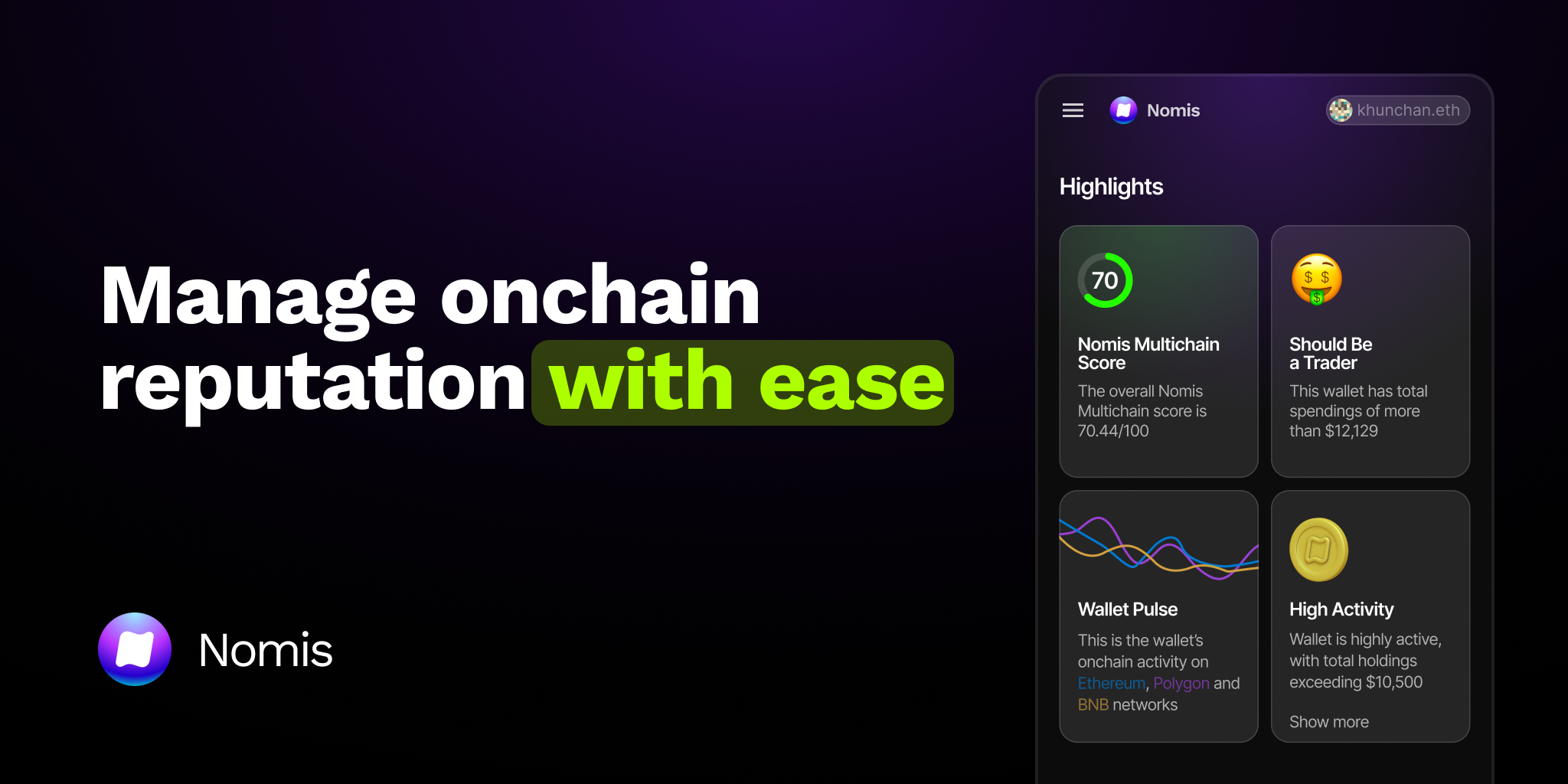
What wallet reputation scores actually measure
Wallet reputation scores are numerical values, typically ranging from 0 to 100, that quantify how engaged and valuable a blockchain wallet is based on its on-chain activity. Unlike simple security ratings that flag known malicious addresses, these scores act as a bridge between raw transaction data and real-world compliance. They help institutions and protocols assess the risk profile of a user before granting access to financial services or DeFi protocols.
A wallet score is not a static label. It is a dynamic behavioral profile that evolves as the wallet interacts with the blockchain. For example, ChainAware’s Wallet Rank assigns a single number to every wallet in its Web3 Predictive Data Layer, analyzing patterns like transaction frequency, counterparty diversity, and adherence to regulatory standards. Similarly, Formo defines its Wallet Score as a data-driven standard for segmenting users, focusing on engagement metrics and historical behavior to determine trustworthiness.
This distinction is critical for legal and regulatory audiences. A high reputation score does not guarantee that a wallet is "clean" in a legal sense, but it indicates a pattern of responsible usage. Conversely, a low score might signal suspicious activity, such as frequent interactions with mixers or sanctioned entities. Understanding what these scores measure allows compliance teams to make informed decisions about onboarding and risk management.
The primary function of a wallet reputation score is to provide a standardized metric for evaluating on-chain identity. This standardization is essential for scaling Web3 adoption, as it allows traditional financial institutions to apply familiar risk assessment frameworks to decentralized networks. By focusing on behavioral data rather than just technical security, these scores offer a more nuanced view of a user’s potential risk.
Ultimately, wallet reputation scores serve as a trust signal in an anonymous environment. They help answer the question, "What is a reputation score on chain?" by providing a quantifiable measure of a wallet’s history and reliability. This data-driven approach enables more efficient due diligence and helps prevent fraud while maintaining the openness of the blockchain ecosystem.
Key parameters behind the score
A wallet reputation score is not a mystery black box; it is a calculated aggregation of on-chain behavior. To understand how these scores are derived, we must look at the specific data points algorithms prioritize. The most critical factor is transaction history. This goes beyond simple volume. Algorithms analyze the frequency, consistency, and nature of transactions. A wallet that interacts with high-risk entities—such as mixers, sanctioned addresses, or known illicit markets—will see its score plummet. Conversely, consistent, clean interactions with reputable protocols build trust over time.
Counterparty risk is the second pillar. Your reputation is partly defined by who you transact with. If you frequently interact with wallets flagged for fraud or money laundering, the scoring engine assumes a higher risk profile for your own wallet. This is not always a direct penalty, but it adds weight to the risk assessment. It is similar to a credit score where your financial habits are judged alongside your credit history. The goal is to identify patterns that suggest legitimate use versus potential abuse.
Activity consistency rounds out the core parameters. Dormant wallets or those with erratic behavior patterns are viewed with skepticism. Regular, predictable activity signals a genuine user rather than a bot or a wash-trading operation. This consistency helps differentiate between a user who simply hasn't traded recently and one who is actively engaged in the ecosystem. These three parameters—history, counterparty, and consistency—form the backbone of most wallet reputation systems.
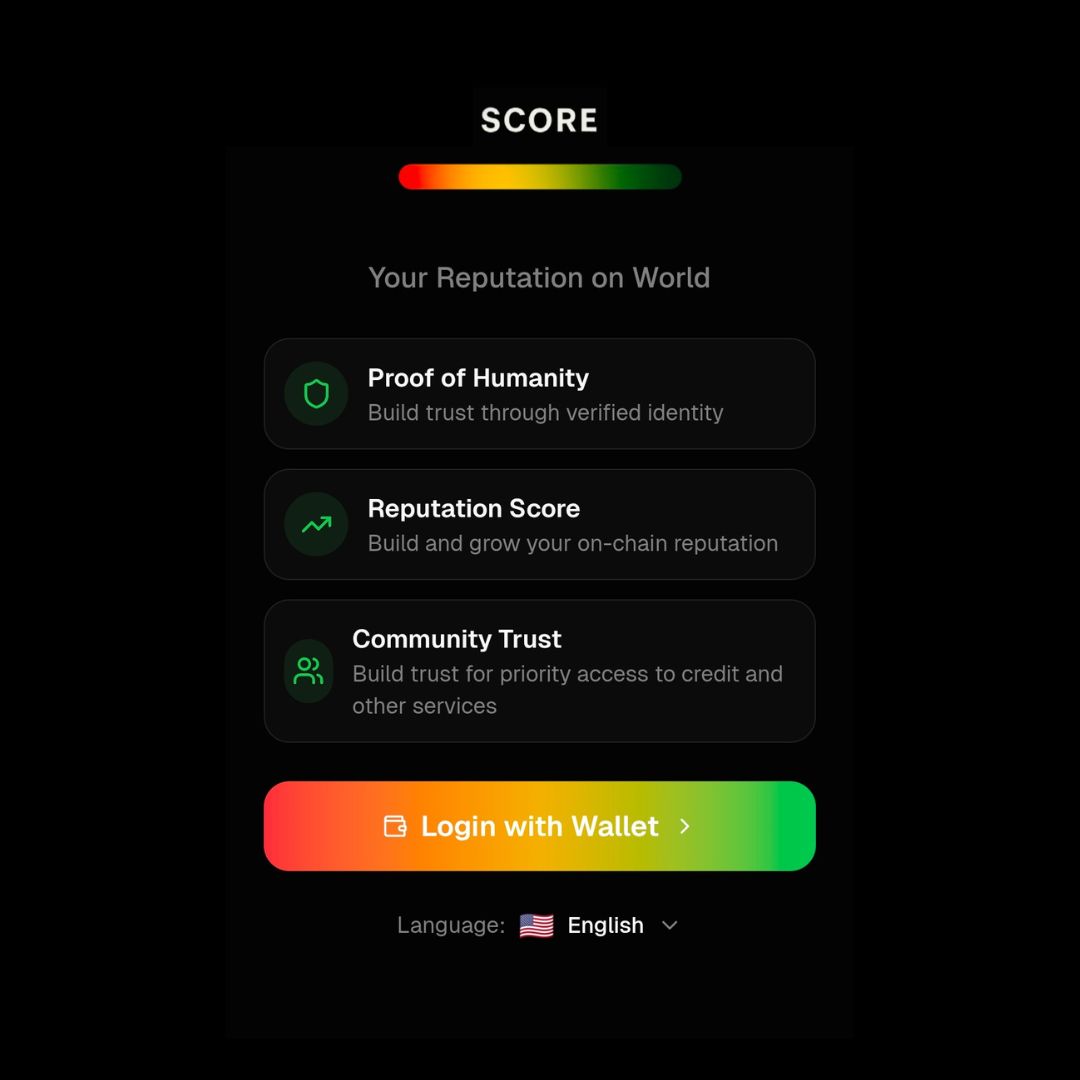
The table below illustrates how these parameters typically weight into a final score, based on methodologies from providers like ChainAware and Formo. Note that exact weights vary by provider, but the core components remain consistent.
| Parameter | Description | Impact on Score |
|---|---|---|
| Transaction History | Volume, frequency, and type of transactions over time. | |
| Counterparty Risk | Risk profile of the wallets you transact with. | |
| Activity Consistency | Regularity of wallet usage and engagement. |
How scores impact compliance and access
A wallet reputation score is no longer just a vanity metric; it is the gatekeeper for financial access in Web3. Platforms use these on-chain identity signals to make real-time decisions about who can interact with their protocols. For a high-scoring wallet, this means smoother entry. For a low-scoring one, it often means immediate friction or exclusion.
Lowering the KYC Friction
For users with established histories, reputation scores act as a trust proxy. When a platform sees a high score—indicating consistent, clean activity over time—it can reduce the burden of traditional Know Your Customer (KYC) checks. Instead of uploading documents for every new interaction, a high-reputation wallet might trigger a simplified verification flow. This reduces regulatory risk for platforms by filtering out high-risk actors before they even reach the onboarding stage.
Expanding DeFi Access
Access to capital is the most tangible benefit of a strong on-chain identity. Many decentralized finance (DeFi) protocols and lending platforms now integrate reputation data to determine creditworthiness. A wallet with a high score demonstrates reliability, allowing users to access higher loan-to-value ratios or lower interest rates. Conversely, low scores can lead to restricted access to certain pools or complete denial of service, effectively creating a two-tier system where trust dictates liquidity.
The Access Divide
The following comparison illustrates how reputation scores directly influence the user experience and operational constraints within compliant Web3 environments.
| Feature | High Reputation Score | Low Reputation Score |
|---|---|---|
| KYC Requirements | Streamlined or waived for minor interactions | Full documentation required for all transactions |
| DeFi Access | Unrestricted; higher leverage limits | Restricted pools; lower leverage limits |
| Transaction Fees | Discounted or waived protocol fees | Standard or premium risk-adjusted fees |
| Platform Blacklisting | Excluded from risk-based blacklists | Flagged for manual review or blocked |
Understanding the Metrics
To make sense of these access levels, it helps to understand what these scores actually measure. A reputation score on chain is an aggregate of your on-chain behavior, including transaction history, asset diversity, and interaction with known entities. It is not a static number but a dynamic reflection of your ongoing activity.
For those wondering what constitutes a good reputation score, most platforms consider a score above 70-80 as "high trust." This threshold is where the benefits of reduced friction and expanded access become most pronounced. Below this threshold, users may find themselves constantly navigating additional verification steps.
Checklist for Improving Your Score
Improving your wallet's reputation is a gradual process. Use this checklist to identify areas for improvement:
-
Diversify Interactions: Engage with multiple reputable protocols rather than just one.
-
Maintain Consistency: Regular, smaller transactions often look more natural than sporadic large ones.
-
Avoid High-Risk Addresses: Be cautious about interacting with addresses flagged for scams or sanctions.
-
Complete On-Chain Profiles: Where possible, link verified socials or ENS names to your wallet.
By focusing on these behaviors, you can steadily increase your wallet's reputation, unlocking greater access and lower friction in the Web3 ecosystem.
The Privacy Trade-off in Identity Scoring
Building a wallet reputation score requires a fundamental tension: platforms need transparency to calculate risk, but users value privacy to protect their financial history. This creates a catch-22 for on-chain identity. If a wallet’s entire transaction history is public, the reputation score is easy to calculate, but the user has no anonymity. If the user hides their history, the platform cannot verify if they are a legitimate actor or a high-risk entity.
To resolve this, modern identity systems are moving toward zero-knowledge proofs (ZKPs). These cryptographic methods allow a wallet to prove it meets certain criteria—such as having held assets for a year or never interacting with a sanctioned address—without revealing the underlying transactions. This selective disclosure is critical for a wallet reputation scores guide because it shifts the paradigm from "trust us with your data" to "prove you are safe without showing us everything."
Companies like ChainAware and Formo are pioneering these methods. ChainAware’s Wallet Rank, for instance, uses a predictive data layer that aggregates on-chain behavior into a single score. While the score itself is visible, the methodology relies on sophisticated data processing that can incorporate privacy-preserving techniques. This allows platforms to grant access based on reputation without forcing users to expose every single swap or transfer they have ever made.
The practical implication is that your on-chain identity becomes a credential you can present selectively. Instead of publishing your entire portfolio to get a loan, you might only need to prove your reputation score exceeds a certain threshold. This balances the regulatory need for transparency with the user’s right to financial privacy, making on-chain identity more viable for mainstream adoption.
FAQ: Wallet Reputation Scores
How do ChainAware and Formo calculate their specific wallet scores?
ChainAware’s Wallet Rank utilizes a Web3 Predictive Data Layer that analyzes transaction frequency, counterparty diversity, and regulatory adherence to assign a single numerical value. Formo, on the other hand, defines its Wallet Score as a data-driven standard for user segmentation, focusing heavily on engagement metrics and historical behavior to determine trustworthiness. While both aim to quantify risk, their specific algorithmic weights for transaction history versus activity consistency may vary.
What transaction patterns typically cause a wallet reputation score to drop?
A wallet’s score typically plummets when it interacts with high-risk entities. This includes frequent transactions with mixing services, sanctioned addresses, or known illicit markets. Additionally, erratic behavior patterns, such as sudden bursts of activity from dormant wallets or interactions with wallets previously flagged for fraud, signal higher risk and lead to lower scores.
Can a wallet’s reputation score improve after a period of inactivity?
Yes, but it is a gradual process. A score reflects ongoing behavior, so inactivity alone does not necessarily lower it, but it stops the accumulation of positive trust signals. To improve a score after inactivity, a wallet must re-establish a pattern of consistent, clean interactions with reputable protocols. Regular, smaller transactions often look more natural and build trust faster than sporadic large ones.
No comments yet. Be the first to share your thoughts!