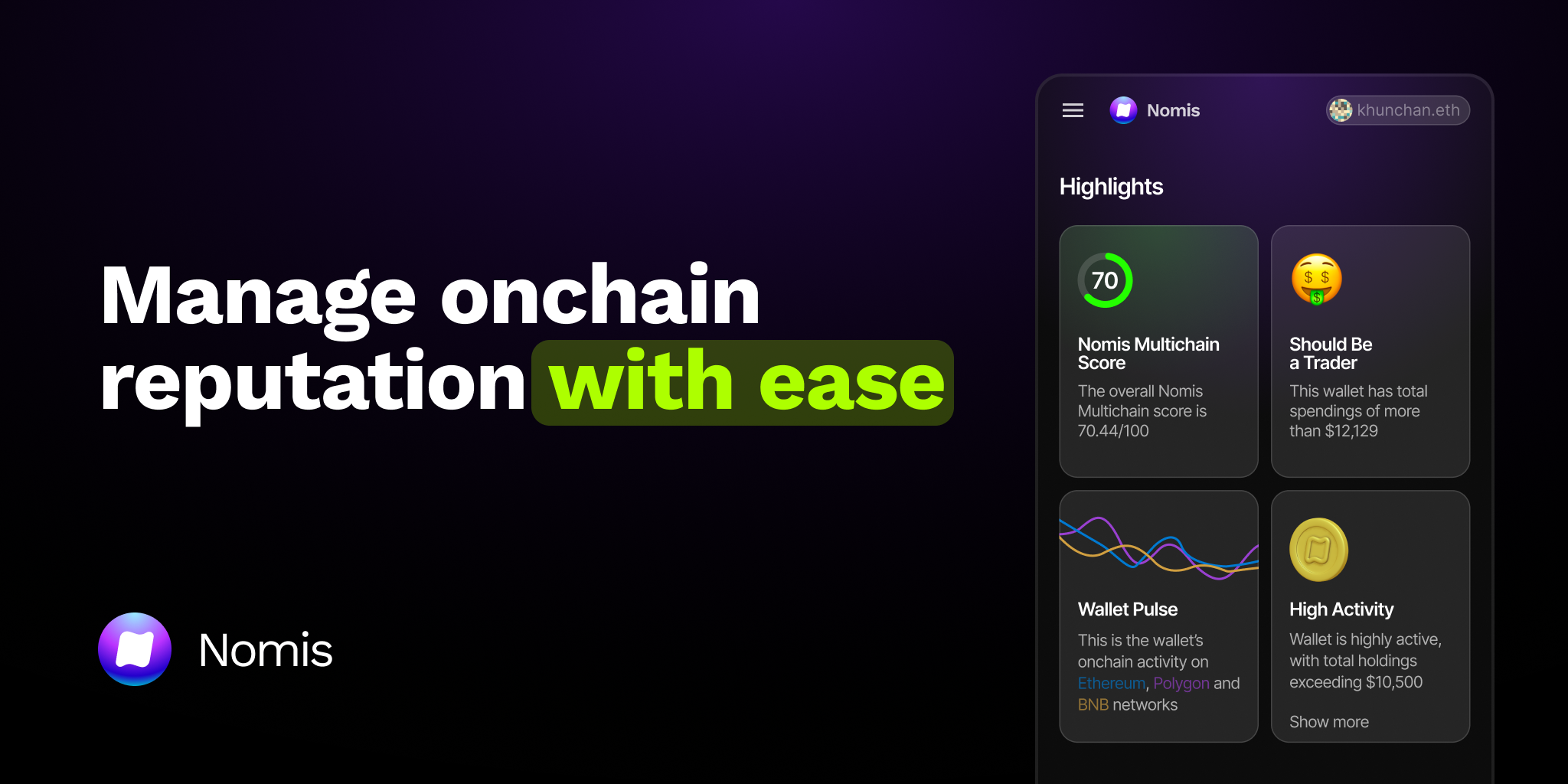
What wallet reputation scores measure
Wallet reputation scores provide a structured way to evaluate the trustworthiness of a blockchain address. Unlike simple security checks that look for known malicious contracts or honeypots, reputation scores assess the behavioral history of a wallet over time. Think of it as a credit score for Web3 identity: it aggregates on-chain activity to predict future reliability.
These scores are composite metrics, typically ranging from 0 to 100, that weigh multiple factors. They consider transaction volume, but also look at label history, protocol interaction patterns, and consistency. A wallet that interacts with high-risk protocols might see its score drop, even if its transaction volume is high. This distinction is critical for legal and compliance teams who need to understand not just what a wallet did, but how it operates within the broader ecosystem.
By standardizing these signals, reputation scores help organizations segment users and manage risk more effectively. Instead of treating all addresses equally, platforms can apply different levels of scrutiny based on the score, allowing for more nuanced regulatory compliance and user experience design.
Comparing leading reputation platforms
Wallet reputation scores have matured from experimental metrics into essential infrastructure for 2026. Platforms now compete on the breadth of their data inputs, the transparency of their scoring methodologies, and their alignment with specific use cases like DeFi risk management or regulatory compliance. Choosing the right system requires understanding how each platform weights historical on-chain activity against real-world identity signals.
The following comparison highlights four leading platforms: Nomis, RubyScore, Ethos Network, and Cred Protocol. These systems represent the current standard for quantifying wallet trustworthiness.
| Platform | Score Range | Primary Data Sources | Target Use Case |
|---|---|---|---|
| Nomis | 0-100 | On-chain history, DeFi interactions, asset holdings | DeFi risk assessment |
| RubyScore | 0-100 | On-chain transactions, social graphs, activity frequency | Gaming and NFTs |
| Ethos Network | 0-100 | KYC verification, identity attributes, on-chain data | Regulatory compliance |
| Cred Protocol | 0-100 | Sybil-resistant proof, unique user actions | Airdrop and reward distribution |
Nomis focuses heavily on financial behavior, making it a preferred choice for institutions assessing DeFi risk. RubyScore incorporates social graph data to evaluate engagement, which suits interactive applications like gaming. Ethos Network prioritizes verified identity, ensuring compliance with Know Your Customer (KYC) standards. Cred Protocol uses sybil-resistant proofs to prevent fraud in reward distribution systems.
How Wallet Reputation Scores Are Built
A Wallet Reputation Score is not a single number pulled from one source. It is the output of a technical stack that aggregates on-chain data, normalizes it against known risk taxonomies, and applies weighted algorithms to produce a final trust rating. For legal and compliance teams, understanding this pipeline is essential to verifying that a score reflects actual behavior rather than simple activity volume.
The infrastructure typically follows three stages: aggregation, normalization, and scoring. First, data is collected from public blockchains, centralized exchange APIs, and decentralized identity providers. This raw data includes transaction history, token holdings, smart contract interactions, and known entity labels. The normalization layer then cleans this data, removing noise and mapping disparate data points to a unified schema. For example, a transaction to a known mixer is normalized into a specific risk category, regardless of the chain it occurred on.
The final scoring layer applies weights to these normalized inputs. Early reputation systems relied heavily on transaction counting—more transactions meant a higher score. Modern infrastructure has shifted toward behavioral intelligence. Instead of just counting activity, these systems analyze the context of interactions. They look at the reputation of counterparties, the timing of transactions, and adherence to regulatory standards like Travel Rule compliance. This shift allows for a more nuanced view of wallet health, distinguishing between a high-volume trader and a high-volume money mule.
Label-based trust is a critical component of this process. Infrastructure providers maintain databases of labeled entities, such as known exchanges, gambling sites, or sanctioned addresses. When a wallet interacts with these labeled entities, the reputation score is adjusted accordingly. This creates a dynamic risk profile that updates in real-time as the wallet’s behavior changes.
The complexity of this stack means that not all reputation scores are created equal. Some providers focus on general on-chain activity, while others specialize in regulatory compliance or specific DeFi protocols. For a legal audience, the key takeaway is that the underlying infrastructure determines the reliability of the score. A score based on simple transaction counts is far less useful for risk mitigation than one derived from behavioral intelligence and label-based trust.
Market Context for Reputation Infrastructure
The need for robust wallet reputation scoring is driven by market volatility and the increasing sophistication of on-chain threats. As DeFi and crypto markets evolve, the volume of suspicious activity increases, making manual review impossible. Automated reputation systems provide the scalability needed to filter risk in real-time.
Compliance and risk management use cases
Wallet reputation scores have moved from speculative metrics to core infrastructure for institutional compliance. Protocols and custodians no longer rely solely on static blacklists; they use dynamic scoring to assess the risk profile of every wallet interacting with their systems. This shift allows for more nuanced decision-making, particularly when balancing user experience against regulatory obligations.
KYC/AML bypass and tiered access
For high-volume platforms, performing full Know Your Customer (KYC) checks on every single transaction is operationally impossible and commercially unviable. Instead, institutions use reputation scores to implement tiered access controls. A wallet with a strong reputation history—characterized by clean transaction trails and long-term activity—may be granted higher transaction limits or faster settlement times without additional friction. Conversely, wallets with low scores or connections to high-risk entities are flagged for enhanced due diligence or blocked entirely.
This approach effectively creates a "trusted lane" for low-risk actors. As noted in industry analyses, a wallet risk score is a risk signal, not a legal verdict. It summarizes what a check found about the wallet's connections, transaction history, and behavioral patterns. By treating the score as a signal rather than a final judgment, platforms can automate routine compliance tasks while reserving human review for ambiguous cases. This reduces false positives and prevents legitimate users from being unfairly penalized based on outdated or incomplete data.
Fraud prevention and thresholding
Fraud prevention relies on identifying outliers in real-time. Reputation scoring systems analyze historical behavior to establish a baseline for each wallet. When a wallet deviates significantly from this baseline—such as by suddenly receiving funds from a known mixer or interacting with a sanctioned address—the score drops, triggering immediate alerts or automatic holds.
Institutional frameworks often set specific thresholds for these scores. Users with a reputation score below a certain threshold are identified as potential offenders. These wallets are then blacklisted or restricted from accessing sensitive features. This proactive stance helps institutions mitigate the risk of money laundering and terrorist financing before funds are lost or moved. The high-stakes nature of these decisions means that the accuracy of the underlying data is paramount; a false negative can lead to regulatory penalties, while a false positive can damage customer trust.
Integration challenges
Integrating these scores into existing compliance workflows requires careful planning. Institutions must define clear thresholds, select reliable data providers, and continuously monitor for score drift. The goal is to create a system that is both robust and adaptable, capable of evolving alongside the changing landscape of crypto threats.
-
Define risk thresholds based on regulatory requirements
-
Select a provider with transparent scoring methodologies
-
Test edge cases and historical data for accuracy
-
Monitor score drift and adjust models regularly
| Feature | Static Blacklist | Reputation Score |
|---|---|---|
| Update frequency | Manual/Periodic | Real-time |
| False positive rate | Higher | Lower (with good data) |
| Scope | Known bad actors only | Behavioral and network analysis |
The transition to reputation-based compliance is not just a technical upgrade; it is a strategic imperative. As regulatory scrutiny increases, institutions that fail to adopt these dynamic tools risk falling behind in both efficiency and security.
Choosing the right score for your needs
Selecting a Wallet Reputation Score provider requires aligning their methodology with your specific compliance and user experience goals. There is no single best score; the right choice depends on whether your priority is regulatory defensibility, user privacy, or broad ecosystem coverage.
Privacy-first vs. Transparency
If your platform operates in jurisdictions with strict data protection laws, prioritize providers like Ethos Network or Whitebridge that emphasize zero-knowledge proofs or selective disclosure. These tools allow users to prove compliance without exposing their entire transaction history. Conversely, if your use case requires full auditability for high-value institutional clients, Nomis or RubyScore offer more granular, transparent on-chain data.
Cost and Coverage
Coverage breadth varies significantly. Providers like UTU Trust or Cred Protocol may offer broader multi-chain support, which is essential for platforms managing assets across several ecosystems. However, broader coverage often comes with higher API costs or lower granularity per chain. For focused applications on Ethereum or Solana, specialized providers often deliver more accurate risk signals at a lower cost.
Decision Framework
Start by mapping your regulatory obligations. If you need to screen for sanctions or mixers, choose a provider with a robust, frequently updated threat intelligence feed. If you are building for consumer adoption where friction is a concern, a privacy-preserving score is likely the better fit. Always test the provider’s API latency and data freshness during your pilot phase.
No comments yet. Be the first to share your thoughts!