What wallet reputation scores measure
A wallet reputation score is a numerical indicator of onchain behavior, typically ranging from 0 to 100. It serves as a data-driven standard for ranking and segmenting web3 users based on their activity patterns and transaction history. Unlike a simple security check that flags known bad actors, or a traditional credit score that measures debt repayment reliability, a Wallet Reputation Score provides a holistic view of a wallet's health and risk profile.
These scores are distinct from basic security audits. While a security audit might tell you if a wallet has interacted with a sanctioned address, a reputation score evaluates the nature of that interaction. It looks at frequency, volume, and the types of smart contracts engaged. For instance, a wallet that only interacts with major, audited protocols may receive a higher score than one that frequently dabbles in high-risk, unaudited DeFi pools, even if neither has directly stolen funds.
The primary utility of a Wallet Reputation Score lies in its ability to bridge the gap between anonymity and accountability. In a legal and regulatory context, these scores help institutions assess the likelihood of illicit activity without needing to pierce the veil of pseudonymity immediately. They act as a preliminary filter, allowing compliance teams to focus resources on wallets with low scores or suspicious behavioral anomalies, such as rapid fund layering or interactions with mixer services.
How compliance teams use these scores
Compliance teams rely on a Wallet Reputation Scores guide to move beyond simple identity checks and understand the actual risk profile of on-chain activity. While Know Your Customer (KYC) verifies who you are, AML screening assesses where your funds have been. A reputation score acts as a risk thermometer, aggregating transaction history, counterparty links, and behavioral patterns into a single, actionable metric.
For legal and regulatory teams, this score is not just a number; it is a triage tool. It helps distinguish between a high-volume merchant with clean transaction flows and a wallet that has interacted with known mixing services or sanctioned addresses. By integrating these scores into their workflows, institutions can automate the initial screening process, flagging only the highest-risk transactions for manual review.
The practical application often involves setting tiered thresholds. A low-risk score might allow for faster settlement times, while a medium-risk score triggers enhanced due diligence. This approach ensures that compliance resources are focused on genuine threats rather than false positives, balancing regulatory adherence with operational efficiency.
| Risk Factor | Compliance Impact |
|---|---|
| Interaction with Mixers | High - Triggers manual review |
| Sanctioned Address Links | Critical - Immediate block |
| High Volume Merchant | Low - Standard processing |
This data-driven approach allows compliance officers to maintain a defensible audit trail. When regulators ask why a transaction was blocked or approved, the reputation score provides the evidentiary basis for that decision, grounding subjective risk assessments in objective, on-chain data.
Privacy tradeoffs in identity scoring
The central tension in wallet reputation scoring is the conflict between transparent onchain data and user privacy. A Wallet Score is a numerical reputation score, typically ranging from 0 to 100, that measures how engaged and valuable a blockchain wallet is based on its activity history [src-serp-1]. While this transparency helps platforms assess risk, it also creates a permanent, public ledger of financial behaviors that can expose sensitive details about a user's life.
Unlike traditional finance, where privacy is often protected by institutional intermediaries, blockchain data is immutable and publicly accessible. When a Wallet Score aggregates transaction history, it can reveal patterns that go beyond simple creditworthiness. It might show donations to controversial causes, participation in high-risk DeFi protocols, or interactions with sanctioned entities. This level of granularity turns a simple risk metric into a comprehensive profile of a user's financial and ethical footprint.
The risk is amplified by the ability to link anonymous wallets to real-world identities. If you've ever used a centralized exchange, the IRS can connect your wallet to your identity because exchanges are required to collect KYC data and report to tax authorities [src-serp-1]. Blockchain analytics tools can then follow transaction flows from those exchange-linked wallets to other addresses. A reputation score that relies on this data effectively bridges the gap between pseudonymous onchain activity and your legal identity, making the "privacy" of your wallet score largely theoretical.
This dynamic creates a chilling effect on financial freedom. Users may avoid legitimate but scrutinized activities, such as privacy-focused transactions or interactions with emerging protocols, for fear of lowering their reputation score. The result is a system where compliance is enforced not just by law, but by the algorithmic gatekeeping of reputation, forcing users to trade privacy for access to financial services.
Top tools for tracking wallet reputation
Identifying the right wallet reputation scores guide requires matching your specific risk tolerance to the right platform. While general analytics provide broad transaction history, specialized scoring engines offer granular risk assessments essential for compliance and security. These tools function like credit bureaus for blockchain, translating complex on-chain behavior into actionable data.
Formo
Formo positions its Wallet Score as a data-driven standard for ranking and segmenting Web3 users. The platform generates a numerical reputation score, typically ranging from 0 to 100, based on wallet engagement and value metrics. This approach helps platforms qualify users more accurately, moving beyond simple transaction counts to assess long-term viability and trustworthiness.
Coinspect
For security-focused compliance, Coinspect offers a Security Score derived from four distinct wallet security checklists. The scoring algorithm weights critical checks more heavily, providing a clear indicator of a wallet's defensive posture. This tool is particularly useful for entities needing to verify the security hygiene of counterparties before engaging in high-value transactions.
Nomis
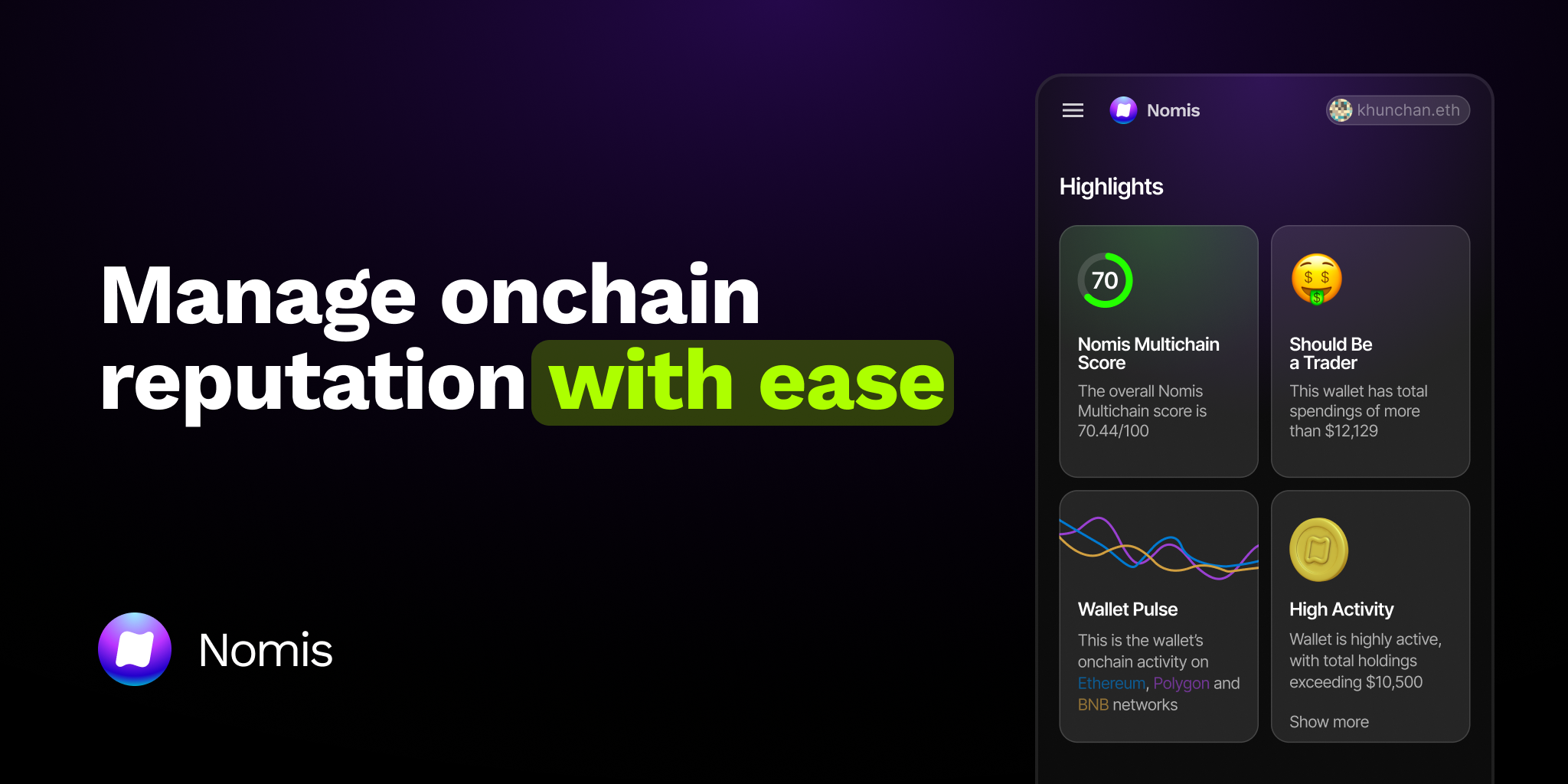
Nomis provides a modular approach to reputation, allowing users to select specific types of Reputation Scores tailored to different use cases. By choosing the specific metric relevant to their needs, users can gain targeted insights into wallet behavior. This flexibility makes Nomis a strong option for projects requiring nuanced reputation data rather than a single monolithic score.
Hardware Wallets for Secure Storage
Tracking reputation is only one part of the security equation. Physical security remains the final line of defense for private keys. The following hardware wallets are widely recognized for their robust security features and integration with reputation management ecosystems.


As an Amazon Associate, we may earn from qualifying purchases.
Build a wallet reputation strategy
A strong Wallet Reputation Scores profile isn't built overnight. It requires a deliberate strategy that balances transactional history with compliance rigor. For users and developers, the goal is to create a digital footprint that signals reliability to protocols and regulators alike.
Audit your transaction history
Before improving your score, you need a baseline. Most reputation systems evaluate wallets based on their interaction with known risk entities. Use a risk scoring tool to scan your address for any past interactions with sanctioned addresses or high-risk protocols. If you find flagged transactions, document them. Transparency is the first step toward mitigation. Understanding where your funds have touched helps you explain your activity if questioned by compliance teams or protocol admins.
Prioritize KYC-verified interactions
Your reputation is heavily influenced by the counterparties you engage with. Interacting with decentralized, non-custodial protocols is fine, but integrating with KYC-verified services adds a layer of trust. When you bridge funds or trade through regulated exchanges, those interactions are often tagged as "low risk" by analytics firms. This doesn't mean you should abandon DeFi, but rather that you should be mindful of the bridges and swaps you use. Clean on-ramps and off-ramps create a clearer audit trail.
Maintain consistent activity
Reputation systems penalize dormancy and erratic behavior. A wallet that suddenly moves large sums after months of inactivity looks suspicious. Instead, aim for consistent, moderate activity. Regular, small transactions to reputable services help establish a pattern of normalcy. For developers, this means deploying contracts and interacting with them regularly rather than in bursts. Consistency signals that you are an active, legitimate participant in the ecosystem, not a dormant asset or a wash-trading bot.
Monitor compliance updates
The regulatory landscape for crypto is shifting rapidly. What is considered low-risk today might be flagged tomorrow as new sanctions or guidelines are released. Subscribe to updates from major analytics providers like Chainalysis or Elliptic. Keep an eye on OFAC lists and local regulatory changes. Proactive monitoring allows you to adjust your strategy before a compliance issue becomes a reputation crisis. Ignorance of changing rules is rarely accepted as a defense.
Document your identity
While blockchain addresses are pseudonymous, reputation scores often incorporate off-chain identity signals where available. If you are a developer or a project founder, linking your wallet to a verified professional identity (like a GitHub profile or a verified domain) can significantly boost your score. This practice, known as decentralized identity or DID, helps distinguish you from anonymous bad actors. It shows that you have a reputation to lose in the real world, which incentivizes responsible behavior.
Common questions about wallet scores
Understanding how wallet reputation scores work helps you navigate compliance and risk without overcomplicating your workflow. Below are answers to the most frequent questions from legal and regulatory audiences.
These scores are not just marketing metrics; they are practical tools for assessing the health of your blockchain interactions. By focusing on the underlying data, you can make more informed decisions about which wallets to trust or flag.
No comments yet. Be the first to share your thoughts!