Defining wallet reputation scores
A wallet reputation score is a numerical rating—typically scaled from 0 to 100—that quantifies the trustworthiness and value of a blockchain address. Rather than relying on a single security check, these scores aggregate on-chain activity, behavioral patterns, and verified credentials to create a holistic profile of a user’s digital footprint.
It is important to distinguish these scores from simple security hygiene metrics. While a security audit might flag a wallet associated with known illicit addresses, a reputation score evaluates the broader context of engagement. It measures how active, consistent, and valuable a wallet is within the ecosystem, providing a more nuanced view of reliability than a binary safe/unsafe flag.
For compliance professionals, this distinction is critical. A high reputation score does not guarantee immunity from regulatory risk, but it does indicate a history of legitimate, sustained interaction. Conversely, a low score may signal erratic behavior or low engagement, which can be a red flag in anti-money laundering (AML) monitoring.
This data-driven standard allows platforms to segment users and rank them based on actual on-chain behavior. By focusing on verified credentials and historical patterns, businesses can make more informed decisions about risk exposure and user onboarding, moving beyond guesswork to a measurable infrastructure of trust.
Core data inputs for scoring
A wallet reputation score is a numerical value, typically ranging from 0 to 100, that quantifies the risk and value of a blockchain address. These scores do not rely on a single metric; instead, they aggregate on-chain behaviors, label associations, and credential verification data to create a comprehensive risk profile. For compliance professionals, understanding these inputs is essential for building trust infrastructure that meets regulatory standards.
The foundation of any reputation model is transaction history. Algorithms analyze the frequency, volume, and counterparties of past transactions to identify patterns. A wallet that consistently interacts with known, reputable entities receives a higher score than one that frequently engages with high-risk addresses or mixers. This behavioral analysis helps distinguish between legitimate commercial activity and potential illicit finance.
Label associations provide critical context by linking wallet addresses to known entities. If an address is tagged as belonging to a regulated exchange, a known charity, or a sanctioned entity, the reputation score adjusts accordingly. This layer of data allows businesses to quickly segment users and apply appropriate due diligence measures without manual review of every transaction.
Credential verification adds a layer of identity assurance to the on-chain data. When a wallet is linked to verified credentials, such as through decentralized identity protocols or KYC/AML checks, the confidence in the wallet's reputation increases. This combination of on-chain activity and verified identity creates a robust framework for assessing counterparty risk.

Comparing major scoring providers
Choosing a wallet reputation infrastructure provider requires aligning their scoring methodology with your specific compliance and risk thresholds. While the end goal—a numerical score from 0 to 100—is consistent, the underlying data sources and weighting mechanisms vary significantly. For legal and compliance teams, understanding these differences is essential to ensure that a "high score" from one provider does not mask risks that another system would flag.
The following table compares three leading infrastructure providers: Coinspect, Formo, and BitsCrunch. This comparison focuses on their core methodologies, primary data inputs, and typical compliance use cases to help you evaluate fit for your operational strategy.
| Provider | Core Methodology | Primary Data Sources | Key Compliance Focus |
|---|---|---|---|
| Coinspect | Security-centric checklist (0-100 score) | On-chain history, smart contract interactions, known entity links | Sanctions screening, illicit fund tracking |
| Formo | Behavioral engagement and value scoring | Transaction volume, frequency, DApp usage, verified credentials | User segmentation, AML risk profiling |
| BitsCrunch | On-chain reputation and reliability metrics | Network activity, wallet age, counterparty trust scores | Platform reliability, counterpart risk |
Coinspect’s approach is heavily weighted toward security hygiene. Their Security Score evaluates wallets against four distinct checklists, where critical failures—such as interactions with sanctioned addresses or high-risk smart contracts—drastically reduce the final score. This makes Coinspect particularly useful for teams prioritizing direct exposure to illicit funds.
Formo, in contrast, focuses on behavioral patterns. Their Wallet Score measures engagement and value, looking at transaction frequency, DApp usage, and verified credentials. This data-driven standard is often preferred by platforms seeking to segment users for tiered access or personalized compliance checks rather than just binary risk rejection.
BitsCrunch offers a broader reputation metric that evaluates trustworthiness based on network activity and counterparty reliability. Their system is designed to assess the overall reliability of a wallet or its associated platform, making it a strong candidate for businesses that need to evaluate the trustworthiness of their operational partners or liquidity providers.

When integrating these scores into your workflow, consider how each provider’s output aligns with your regulatory obligations. A security-focused score may be insufficient for AML compliance if it ignores behavioral anomalies, while a behavioral score might miss critical security vulnerabilities. Many firms use a combination of these providers to create a more robust risk profile.
The choice of provider ultimately depends on whether your primary concern is the security of the wallet itself, the behavior of the user, or the reputation of the entity behind the transactions. By mapping these methodologies to your specific risk appetite, you can build a trust infrastructure that is both compliant and operationally effective.
Integrating scores into compliance workflows
Reputation scores move wallet screening from a binary pass/fail gate to a dynamic risk layer. Compliance teams can use these scores to refine AML screening, enhance KYC data, and adjust transaction monitoring thresholds in real time.
An AML wallet check screens addresses for sanctions, illicit activity, and risk exposure. This foundational step prevents financial crime by blocking high-risk entities before they enter your system. Integrating reputation scores here adds context to raw blacklist hits, distinguishing between accidental exposure and intentional malice.
Combine traditional identity verification with on-chain behavioral patterns. A high reputation score signals consistent, valuable activity, while a low score may indicate shell activity or mixing. This dual-layer approach provides a more complete picture of user legitimacy than identity documents alone.
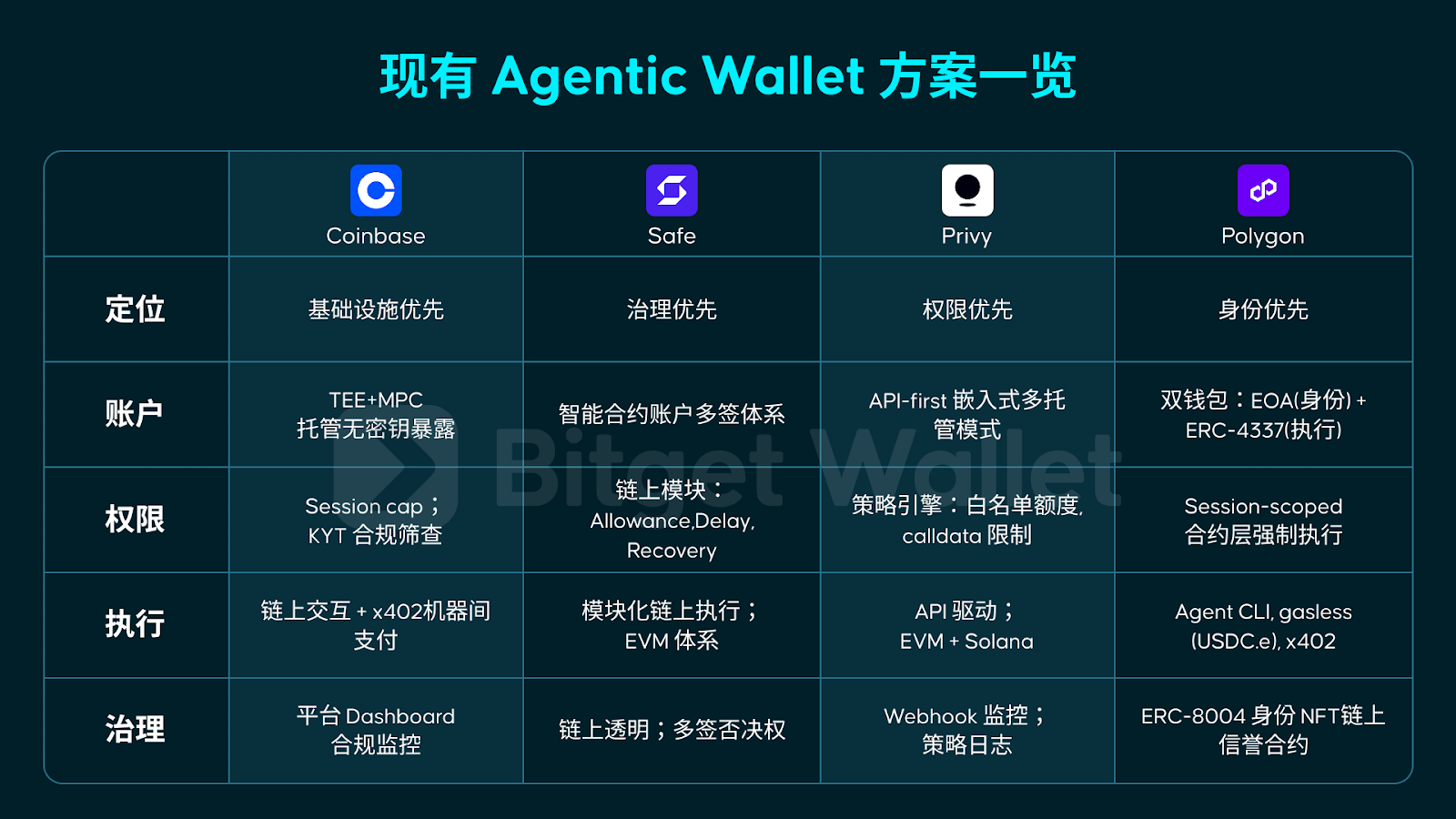
Use reputation scores to set dynamic risk thresholds. Low-score wallets trigger enhanced due diligence or higher friction, while high-score wallets enjoy smoother, faster processing. This risk-based approach reduces false positives and operational overhead while maintaining strict compliance standards.
Privacy implications and data minimization
Reputation systems demand visibility to function, but visibility creates liability. A wallet reputation score relies on analyzing onchain activity, behavioral patterns, and verified credentials to assign a numerical value to trustworthiness. This transparency is necessary for risk assessment, yet it conflicts directly with privacy regulations like the GDPR, which mandate that personal data be kept to the absolute minimum necessary for the specific purpose.
The tension is structural. If a reputation provider stores raw transaction histories or links wallet addresses to real-world identities without strict necessity, they are processing data beyond what is compliant. The GDPR’s principle of data minimization requires that only the data strictly required for the scoring algorithm be collected and retained. Any excess data collection—such as storing historical metadata that is no longer needed for the current risk assessment—constitutes a compliance violation.
To navigate this, infrastructure must be built to limit data exposure. Techniques such as zero-knowledge proofs allow a wallet to prove it meets a reputation threshold without revealing the underlying transaction history. Alternatively, on-chain scoring models can be designed to aggregate data points into a final score, discarding the individual data points once the calculation is complete. This approach ensures that the business decision—whether to grant access or adjust limits—is based on a verified reputation metric, not a comprehensive surveillance profile of the user’s financial history.
No comments yet. Be the first to share your thoughts!