What wallet reputation scores measure
A wallet reputation score is a numerical metric, typically ranging from 0 to 100, that evaluates the trustworthiness and engagement of a blockchain address. Rather than acting as a static credit score, these scores function as dynamic behavioral signals. They aggregate data from transaction history, network connections, and compliance checks to predict how a wallet might interact with future protocols.
Think of a reputation score as a risk signal, not a legal verdict. It summarizes what a check has found about a wallet’s past behavior, such as whether it has interacted with sanctioned entities or demonstrated consistent usage patterns. This distinction matters because a high score suggests reliability, but it does not guarantee solvency or absolve a user of potential legal liabilities.
These scores help platforms segment users and manage exposure. By analyzing on-chain activity, providers can flag addresses that exhibit suspicious patterns or lack the engagement expected of long-term participants. Understanding what these scores actually measure allows you to interpret them correctly when checking your own wallet’s standing.
Step by step: Check your wallet reputation
Checking a wallet reputation score is the digital equivalent of pulling a credit report before applying for a mortgage. It reveals your on-chain history, risk profile, and behavioral patterns in a single number. Because these scores determine access to DeFi protocols, lending rates, and institutional partnerships, accuracy matters.
The process is linear and requires no coding knowledge. You simply need your public wallet address and a trusted provider. Below is the standard workflow used by most Web3 reputation services, including ChainAware and Formo.
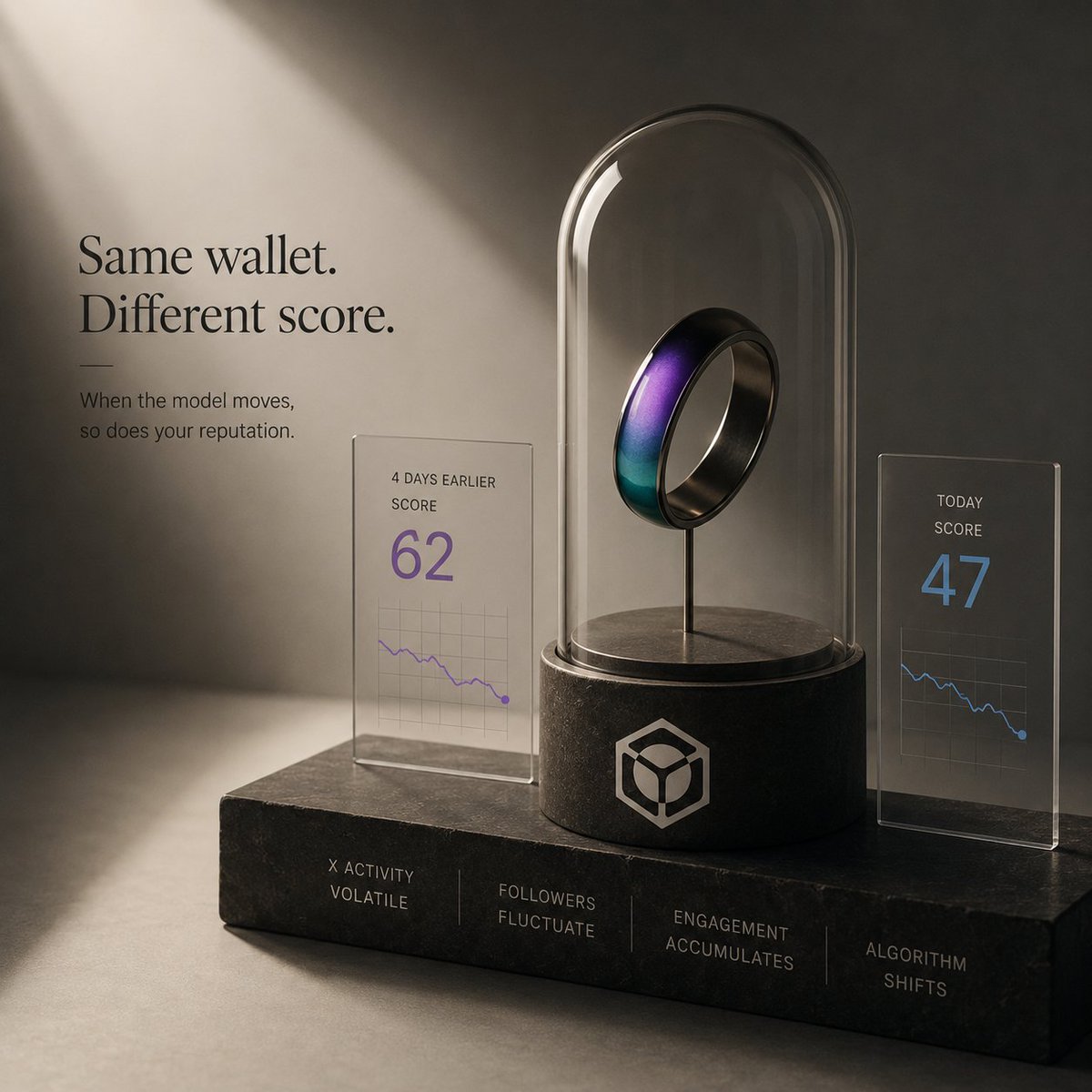
Start by locating your public address. This is the string of letters and numbers starting with 0x (for Ethereum) or similar prefixes for other chains. You can find this in your wallet interface (like MetaMask, Phantom, or Ledger Live) under the "Receive" or "Account Details" section. Copy the full string to your clipboard. Never share your private key or seed phrase.
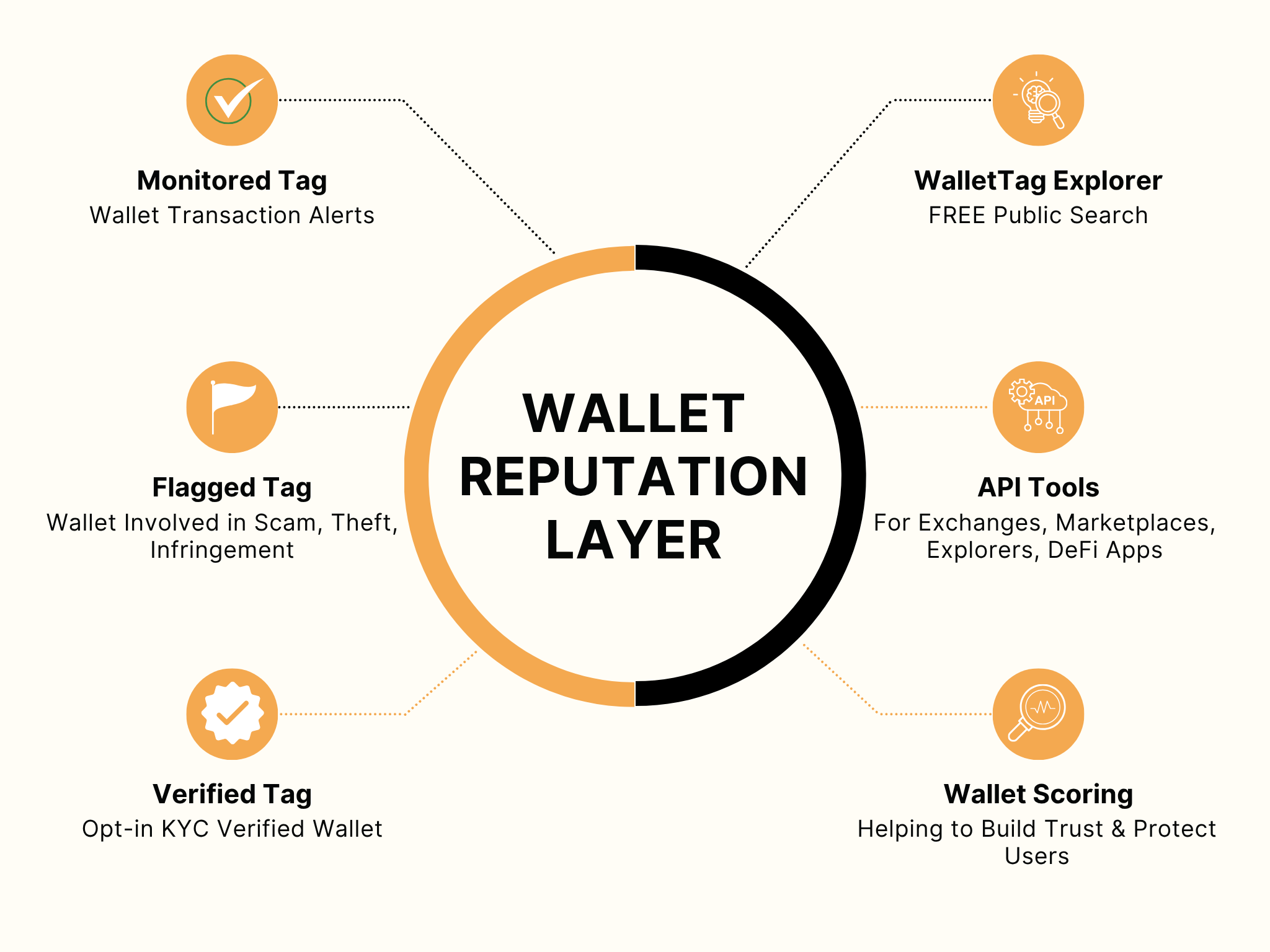
Choose a provider that aligns with your needs. ChainAware offers a "Wallet Auditor" that generates a complete behavioral profile, including experience level and fraud risk. Formo focuses on credit-like scoring for lending access. Verify that the provider supports your specific blockchain (Ethereum, Solana, Base, etc.) before proceeding. Stick to established platforms to ensure the data is reliable.
Navigate to the provider’s dashboard or API interface. Paste your copied wallet address into the search field. Most platforms allow you to scan a single address for free or at a low cost. Click "Scan" or "Check." The system will query on-chain data, cross-reference it with known risk databases, and calculate your score. This process typically takes between 5 to 30 seconds.
Once the scan completes, you will receive a score and a detailed breakdown. Scores usually range from 0 to 100, where higher numbers indicate lower risk and stronger history. Look beyond the number: check for flags like "high-frequency trading," "mixer interaction," or "unverified identity." A high score with red flags may still require manual review for certain institutional services.
By following these steps, you gain immediate visibility into your digital identity. This transparency is essential for navigating the increasingly regulated Web3 landscape.
Compare top reputation scoring providers
Not all wallet reputation scores measure the same thing. Some providers evaluate how you use your wallet, while others focus on who you are. Choosing the right provider depends on whether you need to comply with anti-money laundering (AML) rules or provide a smooth experience for DeFi users.
The table below compares four leading providers based on their primary data sources and best use cases. Use this to determine which score aligns with your operational needs.
| Provider | Primary Data Source | Score Range | Best Use Case |
|---|---|---|---|
| Formo | Onchain activity | 0–100 | DeFi access & UX |
| CoInspect | Security checklists | 0–100 | Risk assessment |
| ChainAware | Behavioral profile | Not public | Fraud detection |
| Nomis | Onchain activity | 0–100 | Compliance & AML |
Data sources: Onchain activity vs. KYC labels
The biggest difference between providers is what data they track. Providers like Formo and Nomis rely heavily on onchain activity. They look at your transaction history, token holdings, and network interactions. This approach is great for understanding your financial behavior and engagement level. It works well for DeFi platforms that want to offer better rates or access to high-value users.
Other providers, like ChainAware, focus on behavioral profiles. They analyze patterns that might indicate fraud or money laundering. This is more relevant for compliance teams. If you need to verify that a user is not involved in illicit activities, this type of score is more useful than a simple engagement metric.
Best use case: Compliance vs. UX
When selecting a provider, think about your end goal. If you are building a DeFi application, you want a score that reflects user trust and engagement. A high score from Formo or Nomis can help you onboard users faster by showing they are active and legitimate.
If you are a compliance officer, you need a score that highlights risk. CoInspect’s security checklists and ChainAware’s behavioral analysis are better suited for this. They help you identify wallets that might be associated with scams or money laundering. This distinction is critical for high-stakes legal and regulatory environments.
Common scoring mistakes to avoid
A wallet risk score is a risk signal, not a legal verdict. It summarizes what a check found about a wallet's connections and transaction history, but it does not replace a formal compliance audit. Relying on a single score from one provider can leave you exposed because different platforms use different data sources and algorithms. A score that looks clean on one site might flag a risk on another.
Assuming a high reputation score guarantees safety is a dangerous trap. A high score often reflects good transaction hygiene but may not account for every nuance of regulatory compliance or emerging threats. Privacy trade-offs are also significant; some scoring models require extensive data sharing to generate accurate results, which can compromise user anonymity. Always verify scores across multiple official sources before making high-stakes decisions.
Frequently asked questions about scores
Understanding how providers calculate and interpret wallet reputation scores helps you verify your standing before engaging in high-stakes transactions or governance activities.
Verify your identity with a checklist
Before you submit your wallet for a formal reputation score, run a quick self-audit. A risk score is a signal based on transaction history and connections, not a final legal verdict, so catching issues early saves time and prevents false flags.
Go through this short sequence to ensure your wallet hygiene is ready for verification:
- Review transaction history for mixing services or tumblers.
- Check for any interactions with addresses flagged by AML bots or sanctions lists.
- Verify KYC status if your target platforms require identity linkage.
Clearing these items reduces the likelihood of a low-risk classification and ensures your on-chain activity looks clean to auditors.
No comments yet. Be the first to share your thoughts!