What is a wallet reputation score?
A wallet reputation score is a metric used by decentralized applications (dApps), lenders, and validators to assess the trustworthiness and activity level of a blockchain address. Unlike traditional credit scores, these are on-chain metrics derived from transaction history, asset holdings, and interaction patterns. Understanding how these scores are calculated is essential for users who want to access DeFi protocols, participate in governance, or secure better lending rates.
How to check your wallet reputation score
There is no single universal score; different protocols use different aggregators. To check your standing, you must identify which ecosystem you are targeting and use the corresponding tool.
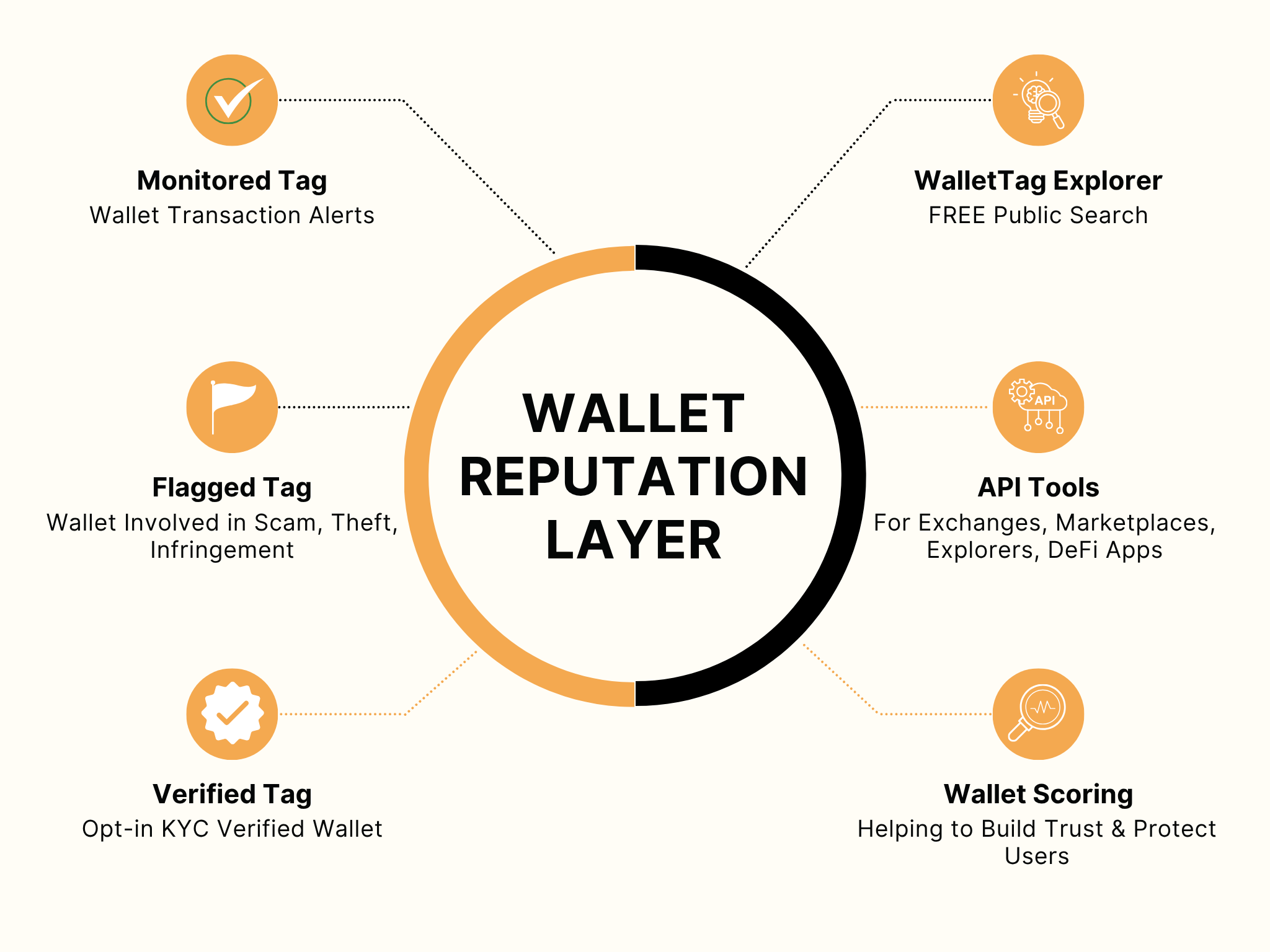
Best tools for wallet reputation analysis
Different tools serve different purposes. Some focus on Sybil resistance for airdrops, while others focus on creditworthiness for lending.
| Factor | What to check | Why it matters |
|---|---|---|
| Sybil Resistance | Gitcoin Passport, ZKsync Passport, or World ID | |
| Lending Credit | Nansen, DeBank, or protocol-specific dashboards | |
| Validator Status | Staking provider dashboards |
How to improve your on-chain reputation
Improving your score requires consistent, genuine activity. The most common mistake is engaging in "score farming"—creating multiple wallets to artificially inflate metrics—which often leads to blacklisting by sophisticated Sybil detection algorithms.
To build a legitimate reputation:
- Hold diverse assets: Maintain a mix of ETH, stablecoins, and governance tokens over time.
- Participate in governance: Vote on proposals in DAOs you are interested in.
- Use verified identity: Link verified real-world identities (via services like World ID or Civic) if the target protocol supports it.
- Avoid suspicious patterns: Do not interact with known mixer services or addresses flagged for fraud.
Common mistakes that lower your score
Certain behaviors can negatively impact your reputation score or lead to exclusion from certain services.
- Interacting with Mixers: Using Tornado Cash or similar privacy tools can flag your wallet as high-risk for compliance-focused protocols.
- New Wallets with No History: Fresh wallets often have low scores because there is no track record of sustained activity.
- Bribery or Vote Buying: Attempts to buy votes in governance proposals are frequently detected and result in score penalties or bans.
- Incomplete KYC: For protocols requiring Know Your Customer (KYC) compliance, failing to complete verification steps will cap your maximum possible score.
Frequently asked questions about reputation scores
Helpful gear
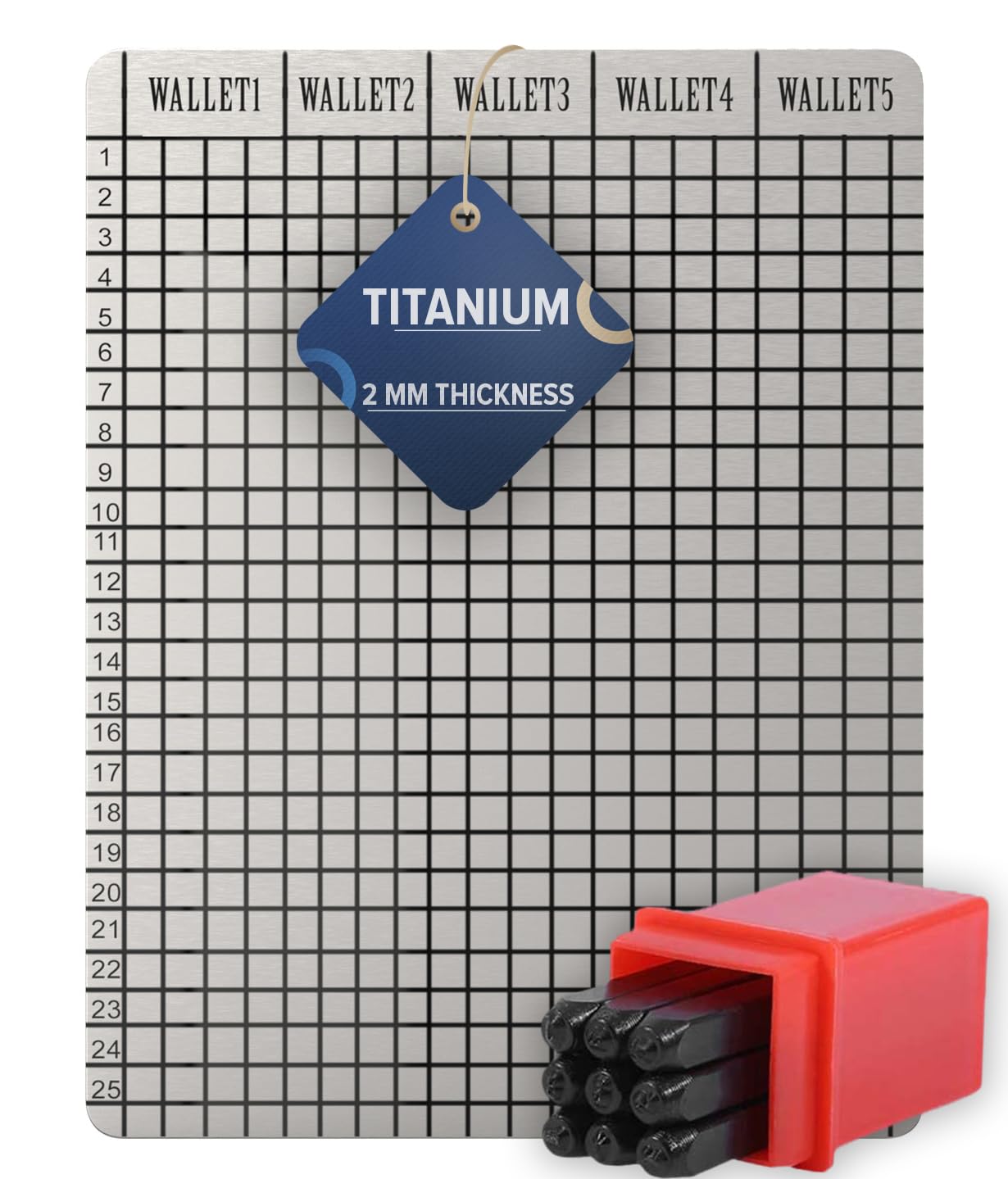
Securing your wallet is the first step in maintaining a positive reputation. If your private keys are compromised, your on-chain history—and reputation—can be lost or exploited.

As an Amazon Associate, we may earn from qualifying purchases.
No comments yet. Be the first to share your thoughts!