Understanding the wallet reputation score limits to account for
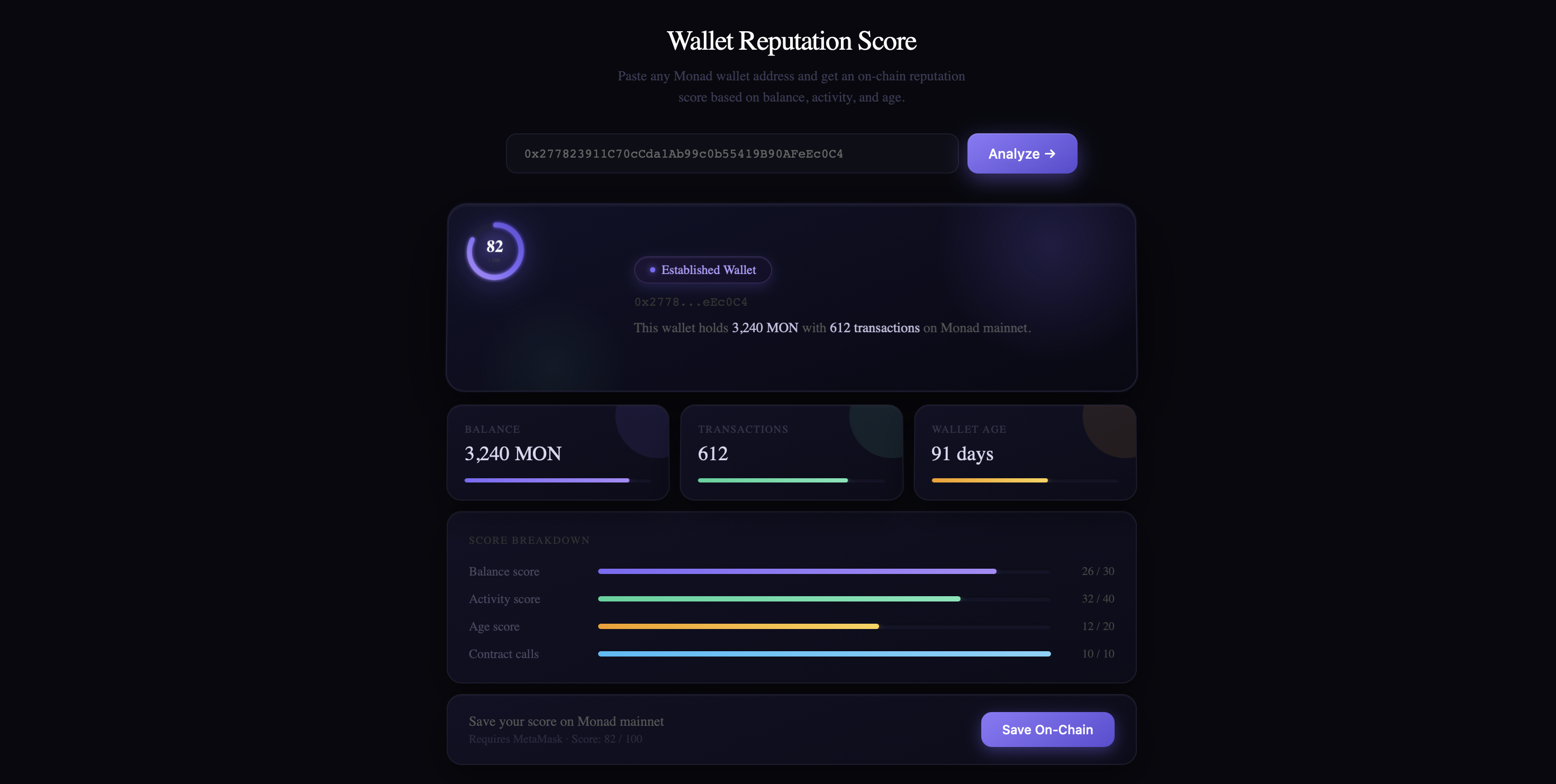
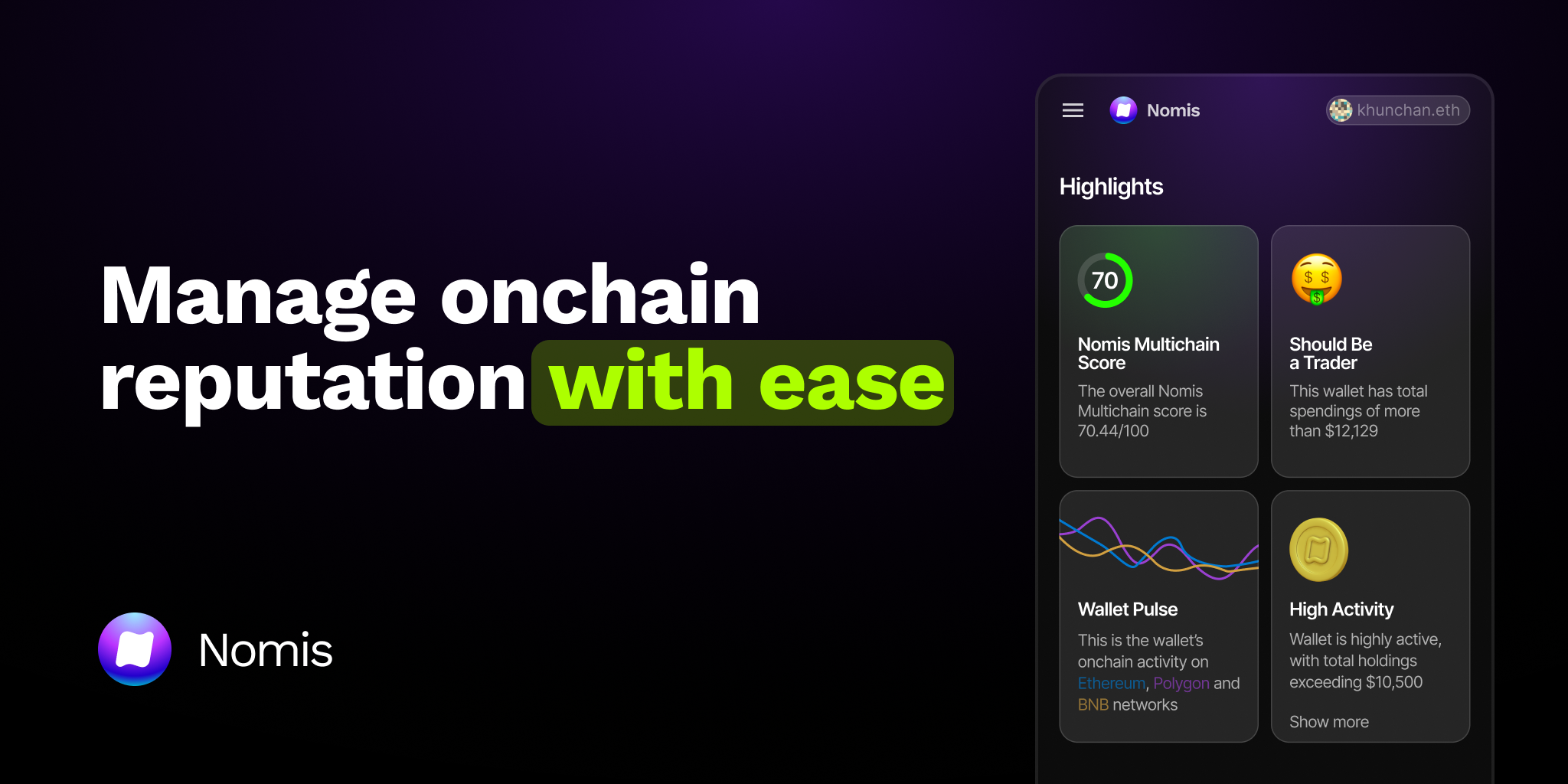
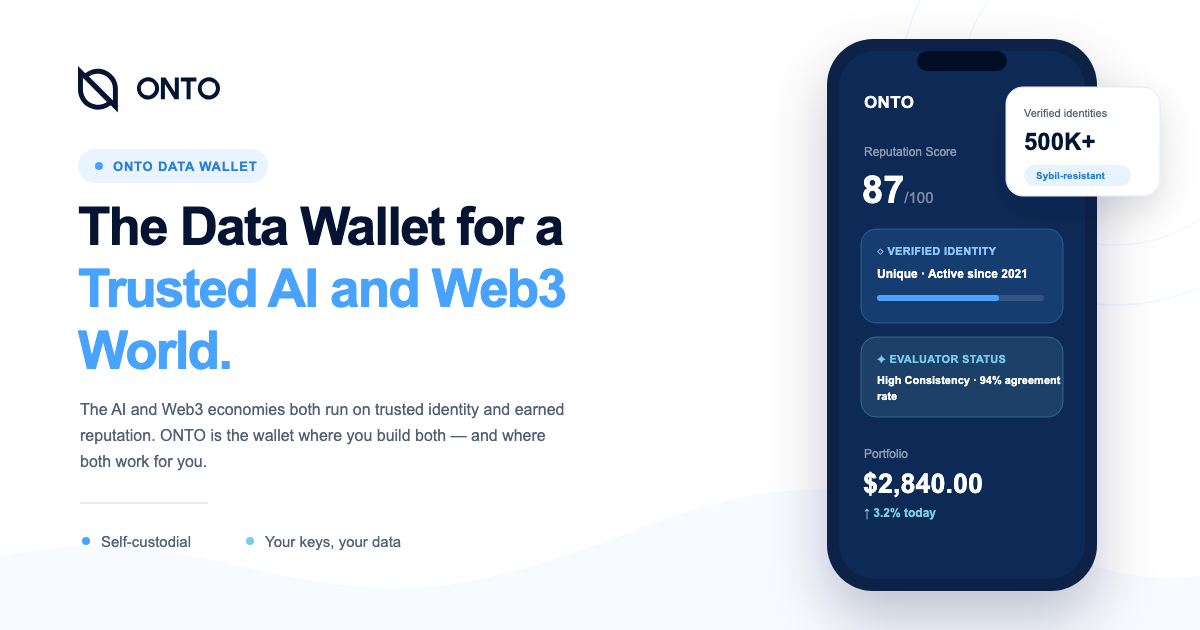
A wallet reputation score is a numerical metric, typically ranging from 0 to 100, that evaluates the trustworthiness and reliability of an on-chain address. Unlike simple balance checks, these scores aggregate complex data points to create a holistic view of a wallet’s history. Providers like Formo and bitsCrunch use this data to segment users, allowing platforms to distinguish between high-value, long-term holders and potentially risky actors.
The constraint here is that these scores are not universal standards. Each provider uses proprietary algorithms that weigh factors differently, such as transaction frequency, interaction with verified protocols, or adherence to compliance rules. Consequently, a wallet rated highly on one platform might appear neutral on another, depending on which data sources each platform prioritizes.
For developers and compliance teams, this fragmentation creates a practical challenge. You cannot rely on a single score to make definitive decisions about user access or risk assessment. Instead, you must integrate multiple data sources to get a complete picture. This approach ensures that your reputation checks are robust, covering both the technical activity of the wallet and its broader behavioral patterns across the blockchain ecosystem.
Wallet reputation scores choices that change the plan
Evaluating a wallet reputation score requires balancing three competing priorities: accuracy, privacy, and utility. No single metric captures the full picture of on-chain behavior. Each scoring model makes different assumptions about what constitutes trust, leading to divergent results for the same address.
Accuracy vs. False Positives
High-accuracy models rely on deep transaction history and interaction with known entities. While this reduces false positives, it penalizes new wallets or those with sparse activity. A score of 85/100 might indicate a veteran user to one provider, while another sees only risk due to a single interaction with a flagged address. Accuracy is only valuable if the underlying data is current.
Privacy vs. Transparency
Many reputation scores require linking off-chain identity or analyzing public transaction graphs. This transparency boosts accuracy but erodes pseudonymity. Wallets with high privacy-focused activity (e.g., using mixers or privacy coins) often receive lower scores or no score at all. You must decide if the utility gained from a high reputation score is worth the exposure of your transaction history.
Utility vs. Portability
Reputation scores are rarely portable across platforms. A score from one provider may not be recognized by another dApp or exchange. This fragmentation means you might need to maintain multiple "reputations" across different ecosystems. Utility is maximized only within the specific platform that issued the score, limiting its value as a universal identity credential.
| Factor | Accuracy | Privacy | Utility |
|---|---|---|---|
| Deep History Models | High | Low | Medium |
| Privacy-First Models | Medium | High | Low |
| Cross-Chain Aggregators | Variable | Medium | High |
Choose the next step
Wallet Reputation Scores works best as a clear sequence: define the constraint, compare the realistic options, test the tradeoff, and choose the path with the fewest hidden costs. That order keeps the advice usable instead of decorative. After each step, pause long enough to check whether the recommendation still fits the reader's actual situation. If it depends on perfect timing, unusual access, or a best-case budget, include a simpler fallback.
Avoid the weak options
The easiest mistake with Wallet Reputation Scores is comparing options on the most visible detail while ignoring the day-to-day constraint. A choice can look strong on paper and still fail because it is too hard to maintain, too expensive to repeat, or awkward in the actual setting. Use the same checklist for every option: fit, cost, durability, timing, upkeep, and fallback plan. That keeps the comparison practical instead of drifting into preference alone.
The simplest way to use this section is to write down the real constraint first, compare each option against it, and choose the path that still works outside ideal conditions.
Frequently asked questions about wallet reputation scores
Is a low wallet reputation score a permanent ban from Web3? No. A low score signals elevated risk, not a permanent ban. It reflects recent transaction patterns or links to flagged addresses. Most platforms allow users to mitigate risk by moving funds to clean addresses, waiting for the history to age, or providing proof of funds. The score is a dynamic signal, not a life sentence.
What is the difference between a wallet risk score and a reputation score? Risk scoring focuses on compliance and security threats, such as connections to darknet markets or hack exploits. Reputation scoring emphasizes user behavior, engagement, and trustworthiness over time. A wallet can have high security but low reputation if it is rarely used, or vice versa. Understanding which metric a platform prioritizes helps you prepare the right documentation.
How accurate are these automated scoring systems? Automated scores are probabilistic, not absolute. They analyze on-chain data to predict likelihoods, but they can produce false positives if you interact with a compromised contract. Always treat a score as a risk signal rather than a legal verdict. For high-stakes transactions, supplement the automated score with manual verification or identity proofs.
Can I manually improve my wallet’s reputation score? You cannot directly edit the blockchain, but you can influence the metrics the score relies on. Consistent activity on reputable networks, avoiding interactions with high-risk addresses, and maintaining a diverse transaction history all contribute to a healthier profile. Over time, positive behavior outweighs isolated negative events.
No comments yet. Be the first to share your thoughts!