What a wallet reputation score measures
A wallet reputation score is a numerical metric, typically ranging from 0 to 100, that measures how engaged and valuable a blockchain wallet is based on its activity history. Unlike simple balance checks, these scores evaluate the quality of interactions, helping platforms assess whether a user is a long-term participant or a transient actor. This distinction matters most in high-stakes environments where trust is the primary currency.
Think of risk scoring as a blacklist check—it tells you what to avoid. Reputation scoring is the opposite; it highlights what to trust. A wallet with high reputation has a history of clean, frequent, and meaningful transactions. This data allows DeFi platforms, DAOs, and institutional services to segment users and tailor their services accordingly, reducing friction for reliable participants while maintaining security.
Step one: audit your current on-chain history
Before you build a reputation score, you need to understand what the blockchain already knows about your wallet. This initial diagnostic phase helps you spot red flags, identify low-activity patterns, and understand how third-party tools might view your transaction history.
Start by accessing an official wallet reputation tool. Coinspect and BitsCrunch are industry-standard platforms that provide detailed security and reputation reports. These tools analyze your wallet’s entire transaction history against known risk databases. They look for connections to sanctioned entities, mixing services, or high-risk exchanges.
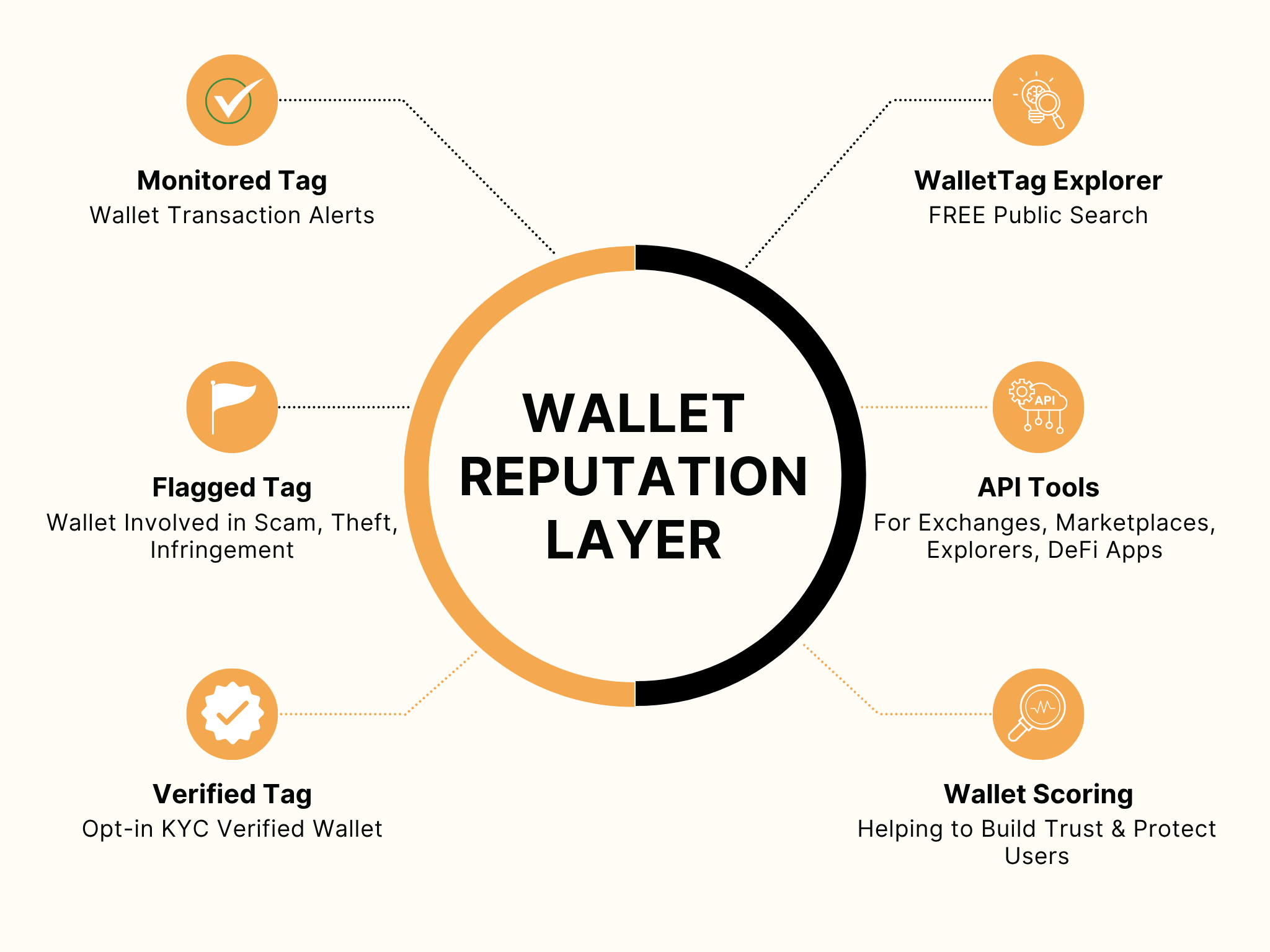
Visit the Coinspect wallet page or bitsCrunch reputation interface. Enter your wallet address into the search field. The tool will generate a security score, typically ranging from 0 to 100. A lower score indicates higher risk exposure based on the entities connected to your wallet's transaction history. Review the specific risk indicators highlighted in the report, such as interactions with illicit addresses or unusual transaction patterns.
Don’t just look at the final number. Drill down into the breakdown of risk factors. Coinspect bases its score on four wallet security checklists, with the most critical checks impacting the score the most. BitsCrunch evaluates trustworthiness and reliability based on on-chain metrics. Identify which specific interactions are dragging your score down. Is it a single interaction with a mixer, or a pattern of small, frequent transactions to unverified contracts?
Save a screenshot or PDF of your current report. This serves as your baseline. As you implement better security practices and avoid risky interactions, your score should improve over time. This baseline is also useful if you need to prove due diligence to a legal or financial partner later. Note the date of the audit and the specific tool used, as scoring methodologies can change between providers.
This audit is not a one-time task. Blockchain activity is continuous, and your reputation score will fluctuate based on new transactions. Make this step part of your regular routine, especially before entering into high-stakes agreements or partnerships.
Step two: clean up risky interactions
A high wallet reputation score relies on a clean transaction history. If your address has recently interacted with sanctioned entities, mixing services, or unverified protocols, your score will drop. Scoring engines flag these connections immediately, regardless of whether you were the sender or the receiver.
To mitigate these negative signals, you need to identify risky addresses before they become part of your permanent on-chain record. This step focuses on proactive screening and avoiding exposure to high-risk counterparty labels.
Most wallet interfaces and third-party security tools allow you to preview the recipient’s label before you confirm a transaction. Look for flags indicating that the address is linked to sanctions (OFAC), darknet markets, or known scams. If the label is generic or missing, treat it as high risk. Do not proceed with the transfer until you have verified the entity’s identity through a trusted source.
Mixing services are designed to obscure the origin of funds by pooling them with other users’ assets. Interacting with these protocols is one of the fastest ways to tank your reputation score. Compliance teams view mixer interactions as intentional obfuscation. Even if you are just trying to protect your privacy, most scoring algorithms will penalize this behavior heavily, labeling your wallet as high-risk for future interactions.
Regularly check your transaction history against official sanctions lists, such as those published by the Office of Foreign Assets Control (OFAC). If you have inadvertently sent funds to a sanctioned address, stop using that wallet for new activities. Contact a compliance professional to understand the legal implications and the steps required to freeze or report the interaction. Continuing to use a wallet with sanctioned exposure can lead to permanent blacklisting by exchanges and DeFi platforms.
Beyond mixers and sanctions, some DeFi protocols are flagged for security vulnerabilities or fraudulent activity. Scoring engines track your exposure to these smart contracts. If you have interacted with a protocol that has since been compromised or flagged, consider moving your remaining assets to a clean wallet. This isolates the risk and prevents the negative signal from spreading to your primary identity address.
KeyTakeaways items=["Check recipient labels before every transaction","Avoid mixing services to maintain a clean history","Screen for OFAC sanctions regularly","Isolate assets from compromised protocols"]
Build positive engagement signals
You cannot simply buy a high reputation score. Scoring models like Centic or Formo analyze on-chain behavior over time to determine if a wallet is active, legitimate, and aligned with ecosystem goals. Your goal is to demonstrate long-term utility rather than short-term speculation.
The most effective way to start is by holding assets for extended periods. A wallet that holds stablecoins or blue-chip tokens for months or years signals stability. Frequent, rapid trading of small amounts often flags a wallet as a bot or a high-risk actor. Consistent holding patterns help establish a baseline of reliability.
Voting on proposals is one of the strongest positive signals. When you cast a vote in a DAO or protocol governance forum, you are proving that you are an engaged community member, not just a passive holder. This activity links your wallet to legitimate social and political structures within Web3.
Interact with decentralized applications that have established reputations. Using audited DeFi protocols or well-known NFT marketplaces adds verified transaction history to your wallet. Scoring algorithms prioritize interactions with entities that have undergone security audits and have a track record of compliance.
Avoid mixing services or interacting with wallets flagged for sanctions or illicit activity. Your reputation is partly defined by who you transact with. A clean history free from connections to high-risk entities significantly reduces your risk exposure and improves your overall score.
These actions compound over time. There is no quick fix for reputation. You must engage with the ecosystem authentically. Regular, meaningful interactions with verified protocols and governance bodies are the primary drivers of a positive wallet reputation score.
Compare tools for checking your score
Choosing the right auditing tool depends on whether you prioritize security hygiene, user engagement metrics, or general reputation. Each platform weights its data inputs differently, so matching the tool to your specific risk profile is necessary.
The table below outlines the primary differences between three major providers. Coinspect focuses on security checklists, Formo emphasizes engagement and value, and BitsCrunch relies on broad on-chain metrics for trustworthiness.
| Tool | Score Range | Primary Focus | Key Data Inputs |
|---|---|---|---|
| Coinspect | 0–100 | Security | Four security checklists |
| Formo | 0–100 | Engagement | Wallet activity and value |
| BitsCrunch | Variable | Reputation | On-chain metrics |
Coinspect assigns its score based on four distinct security checklists, where critical failures have the heaviest impact on the final number. This makes it ideal for identifying immediate vulnerabilities in a wallet's configuration or interaction history. Formo, by contrast, measures how engaged and valuable a wallet is within the ecosystem, helping projects segment users based on activity levels rather than just risk. BitsCrunch provides a broader reputation score derived from general on-chain metrics to evaluate the overall trustworthiness of a wallet or its associated platform.
Select the tool that aligns with your immediate need: strict security auditing, user segmentation, or general reputation checks.
No comments yet. Be the first to share your thoughts!