Get wallet reputation scores right
Before integrating Wallet Reputation Scores into your infrastructure, you must define the data boundaries. A Wallet Score is a numerical metric (0–100) evaluating trustworthiness, engagement, and long-term value. It is not a single universal standard but a composite of specific on-chain and off-chain signals. Misconfiguring these inputs leads to inaccurate risk assessments.
Verify data sources
Start by auditing the data providers feeding your scoring engine. Official sources and primary on-chain data offer the highest fidelity. Avoid aggregators that obscure their methodology. If a provider cannot explain how they weight transaction history or address interactions, treat their score as speculative. Prioritize providers that offer transparent checklists, such as those used by CoInspect, which break down security scores into verifiable components.
Define the threshold
Determine what constitutes a "good" reputation score for your specific use case. A score of 80+ might be acceptable for high-value DeFi interactions, while 50+ could suffice for casual NFT minting. There is no universal "most trustworthy" wallet; trust is contextual. Align your thresholds with your risk tolerance and regulatory requirements. Document these thresholds clearly to ensure consistent compliance decisions.
Map the signals
Identify which signals matter most. Common indicators include:
- Transaction history: Frequency, counterparty diversity, and smart contract interactions.
- Security posture: Use of hardware wallets, multi-signature setups, and phishing resistance.
- Compliance flags: Interactions with sanctioned addresses or mixers.
Ensure your infrastructure can capture and weight these signals accurately. A robust scoring model requires continuous monitoring and adjustment as the threat landscape evolves.
Build a wallet reputation score
A Wallet Score is a numerical metric, typically ranging from 0 to 100, that evaluates the trustworthiness, engagement, and long-term value of a blockchain address. Building your own score requires aggregating on-chain data, evaluating security posture, and applying a consistent weighting system. This process turns raw transaction history into a readable reputation indicator.

Start by pulling the full transaction history for the target wallet. Use blockchain explorers or data APIs to capture every incoming and outgoing transfer. Record the dates, amounts, and counterparty addresses. This raw data forms the foundation of your reputation model, allowing you to identify patterns in spending, receiving, and holding.
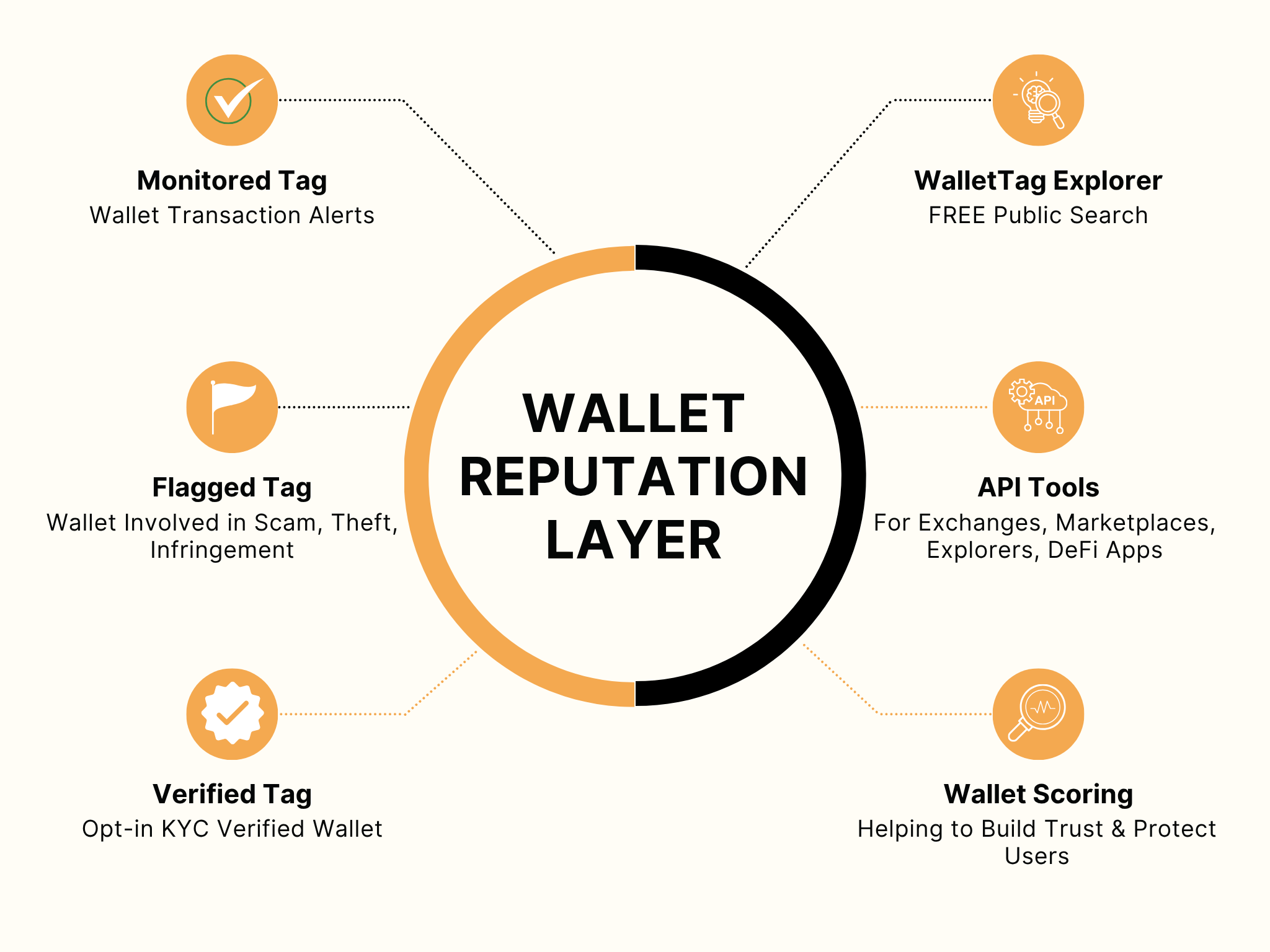
Assess the wallet’s security checklist. Check if the address has interacted with known malicious contracts, phishing sites, or high-risk DeFi protocols. Look for signs of compromise, such as sudden large transfers to unknown addresses or interaction with unverified smart contracts. A wallet with a clean security history deserves a higher base score than one with frequent risky interactions.
Analyze the frequency and consistency of activity. A wallet that transacts regularly over a long period demonstrates higher engagement than one that is dormant. Calculate metrics like average monthly transactions, unique counterparties, and asset diversity. Consistent engagement signals a legitimate user rather than a bot or a temporary entity.
Assign weights to each data point based on its impact on reputation. For example, security violations might deduct 20 points, while long-term holding might add 5 points per year. Normalize the final value to a 0–100 scale. Ensure the formula is transparent and repeatable so that scores can be compared across different wallets or users.
Compare your calculated score against known benchmarks or industry standards. Use tools like CoInspect or Formo to cross-reference your results. If your score deviates significantly from established platforms, review your weighting logic. Validation ensures your reputation score is accurate and trustworthy for downstream decisions.
Fix Common Mistakes in Wallet Reputation Scoring
Poor wallet reputation scores usually stem from predictable errors in how users manage their on-chain history. Fixing these mistakes requires correcting the data signals that scoring algorithms rely on. Below are the most frequent errors and how to resolve them.
Ignoring Transaction Fragmentation
Many users spread their assets across dozens of small transactions. Scoring models view this as fragmentation, which dilutes the clarity of your financial identity. A scattered history makes it harder for compliance tools to trace the origin of funds.
The Fix: Consolidate your activity. Use fewer addresses for primary interactions and batch transactions where possible. A clean, concentrated history is easier to verify and scores higher on trust metrics.
Using Unverified or High-Risk Interactions
Interacting with known phishing sites, unverified contracts, or high-risk mixing services instantly drags down your score. Even accidental clicks can flag your wallet as compromised or malicious in the eyes of security checklists.
The Fix: Stick to audited protocols and verified contracts. If you must interact with a new dApp, check its security audit status first. Avoid any service that promises anonymity through mixing, as these are red flags for reputation engines.
Neglecting Identity Verification
Anonymity is a feature, not a bug, for privacy, but it is a liability for reputation. Wallets that never link to verified identities (like ENS or decentralized IDs) often receive lower scores because they lack proof of human agency.
The Fix: Link a verified decentralized identity to your primary wallet. This adds a layer of trust without exposing your personal data to every protocol you use. It signals that you are a real, accountable user.
Failing to Monitor Score Updates
Reputation is dynamic. A high score today can drop tomorrow if you engage in risky behavior or if the scoring model updates its criteria. Many users set a score and forget it until they are blocked from a platform.
The Fix: Check your score regularly using tools like CoInspect or Formo. Understand which factors are pulling your score down and address them proactively. Treat your wallet reputation like a credit score that requires active management.
Wallet reputation scores: common: what to check next
Wallet reputation scores act like credit scores for blockchain addresses, evaluating trustworthiness and risk based on transaction history and on-chain behavior. Before integrating these scores into your compliance or security strategy, it helps to understand the practical implications of the metrics and the tools used to generate them.
Understanding these distinctions helps you choose the right tools for your specific risk profile and ensures you are interpreting score data correctly.
Helpful gear
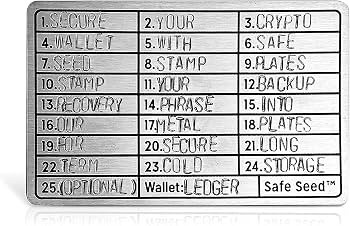
Use these product recommendations as a starting point, then choose the size, material, and price point that fit how you actually use the gear.


As an Amazon Associate, we may earn from qualifying purchases.
No comments yet. Be the first to share your thoughts!