
Wallet reputation scores: what the numbers actually mean
A wallet reputation score is a numerical value, typically ranging from 0 to 100, that measures how engaged and valuable a blockchain wallet is based on its activity. Think of it as a credit score for crypto: it helps exchanges, DeFi protocols, and other services assess risk and determine what level of access or service a user deserves.
These scores are not universal. Different providers use different algorithms, weighting factors like transaction history, wallet age, asset diversity, and interaction with known smart contracts. While there is no single "official" score, the general consensus for what constitutes a "good" score is 80 or higher on a 0–100 scale.
Understanding how these scores are calculated is critical for navigating the new compliance infrastructure. Providers like Coinspect and Formo offer varying methodologies, but they all aim to reduce friction for legitimate users while blocking malicious actors. Knowing your score helps you anticipate which platforms will approve your transactions and which might flag your activity.
Wallet reputation score choices that change the plan
A wallet reputation score is a numerical rating, typically on a 0 to 100 scale, that measures how engaged and valuable a blockchain wallet is based on its on-chain activity. While a score of 80 or higher is generally considered excellent, the specific factors driving that number vary significantly between providers. Understanding these differences is essential for interpreting risk and compliance status accurately.
Activity and Engagement
Most scoring systems prioritize transaction history as the primary indicator of legitimacy. A wallet that consistently interacts with reputable decentralized applications (dApps) and maintains a steady flow of transactions over time is viewed more favorably than one with sporadic or dormant activity. High engagement suggests a genuine user rather than a bot or a short-term speculative actor. However, this metric alone can be misleading if the transactions are with high-risk entities, so context matters.
Risk Exposure
Wallet reputation scores heavily penalize interactions with known illicit addresses, mixers, or sanctioned entities. Providers like Vezgo and Coinspect analyze transaction patterns to identify links to blacklisted addresses. If your wallet has ever received funds from a sanctioned exchange or a darknet marketplace, your score will drop sharply, regardless of your subsequent activity. This factor is critical for compliance, as it directly impacts your ability to use regulated services.
Asset Diversity and Tenure
Long-term holders with diverse portfolios often receive higher scores than those who frequently trade volatile, low-cap tokens. Tenure—the length of time the wallet has been active—adds a layer of trust, indicating stability. Conversely, wallets that only hold assets from a single project or engage in rapid, high-frequency trading may be flagged as higher risk. This reflects a preference for sustainable, long-term participation in the ecosystem over speculative behavior.
Verification and Identity
Some scoring models incorporate off-chain data, such as verified identity (KYC) or social media presence. While this can boost a score by linking a wallet to a real-world identity, it also raises privacy concerns. Not all providers use this data, and relying solely on anonymous on-chain activity can still yield a high score if the transaction history is clean. The tradeoff here is between transparency and privacy, with higher scores often requiring more personal data disclosure.
| Factor | Impact on Score | Risk Indicator |
|---|---|---|
| Transaction History | High | Sporadic or dormant activity |
| Risk Exposure | Critical | Links to illicit addresses |
| Asset Diversity | Medium | Single-project concentration |
| Verification | Variable | Privacy tradeoff |
How to choose the right wallet reputation score
Wallet reputation scores are not a single universal metric; they are a patchwork of proprietary algorithms designed for different use cases. A score from a security-focused provider like Coinspect tells you how safe a wallet is from hacks, while a score from a data provider like Formo tells you how active or valuable a user is for marketing segmentation. Treating these scores as interchangeable leads to flawed compliance and poor user experience.
To navigate this infrastructure, you need to match the score’s underlying logic to your specific operational goal. Below is a decision framework to help you select the right scoring model for your Web3 identity requirements.
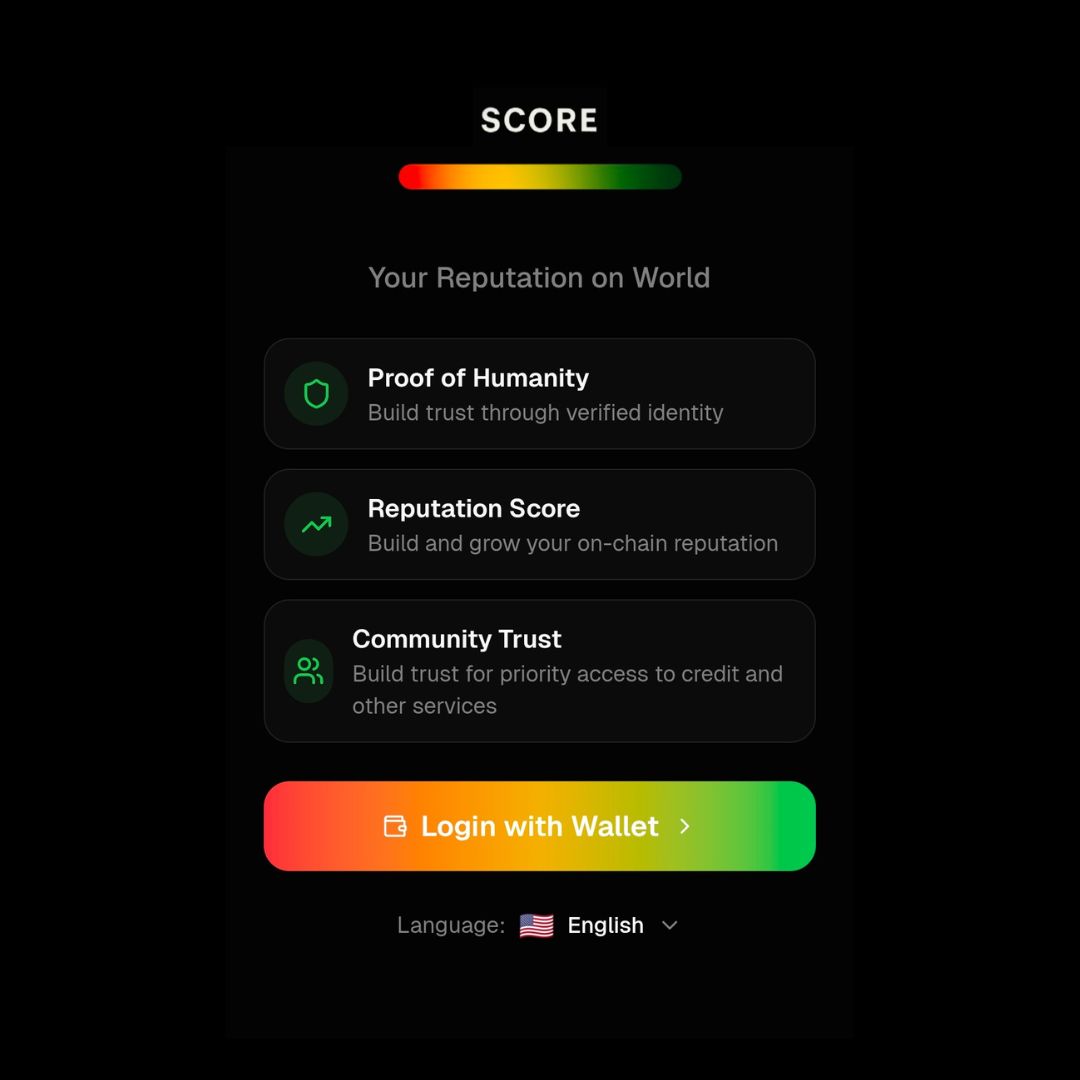
If your primary concern is preventing fraud or ensuring the integrity of large transactions, look for scores based on security checklists. Providers like Coinspect assign weights to critical security checks, such as key management practices and interaction with known malicious contracts. A high score here indicates the wallet has robust defenses, making it suitable for institutional-grade transfers where risk mitigation is paramount.
For marketing, onboarding, or tiered access, you need a score that measures engagement rather than just safety. Data-driven scores, such as those from Formo, evaluate wallet behavior over time, including transaction frequency, asset diversity, and protocol usage. These scores help you distinguish between active, valuable users and dormant or bot-like accounts, allowing for more nuanced user segmentation and personalized experiences.
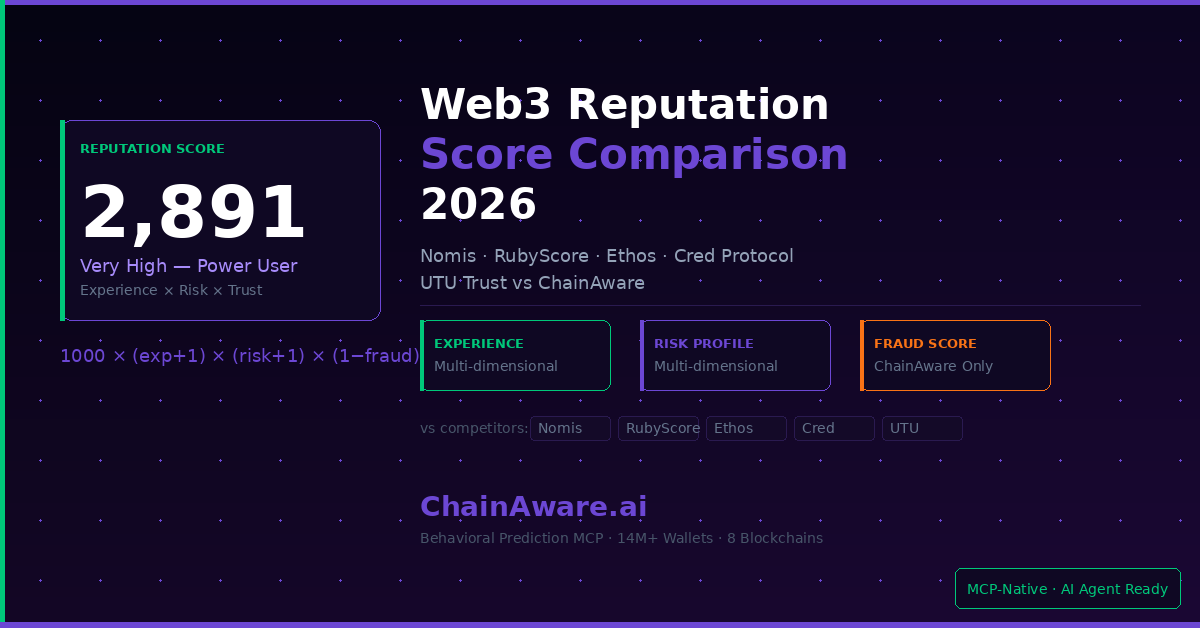
Always verify the numerical scale. Most reputable providers use a 0–100 scale, where a score of 80 or higher is typically considered excellent. However, some niche tools may use different baselines. Ensure you understand what constitutes a "passing" grade in the specific system you are integrating. A 70 in one system might be a failure in another, so clear thresholds are essential for automated compliance decisions.
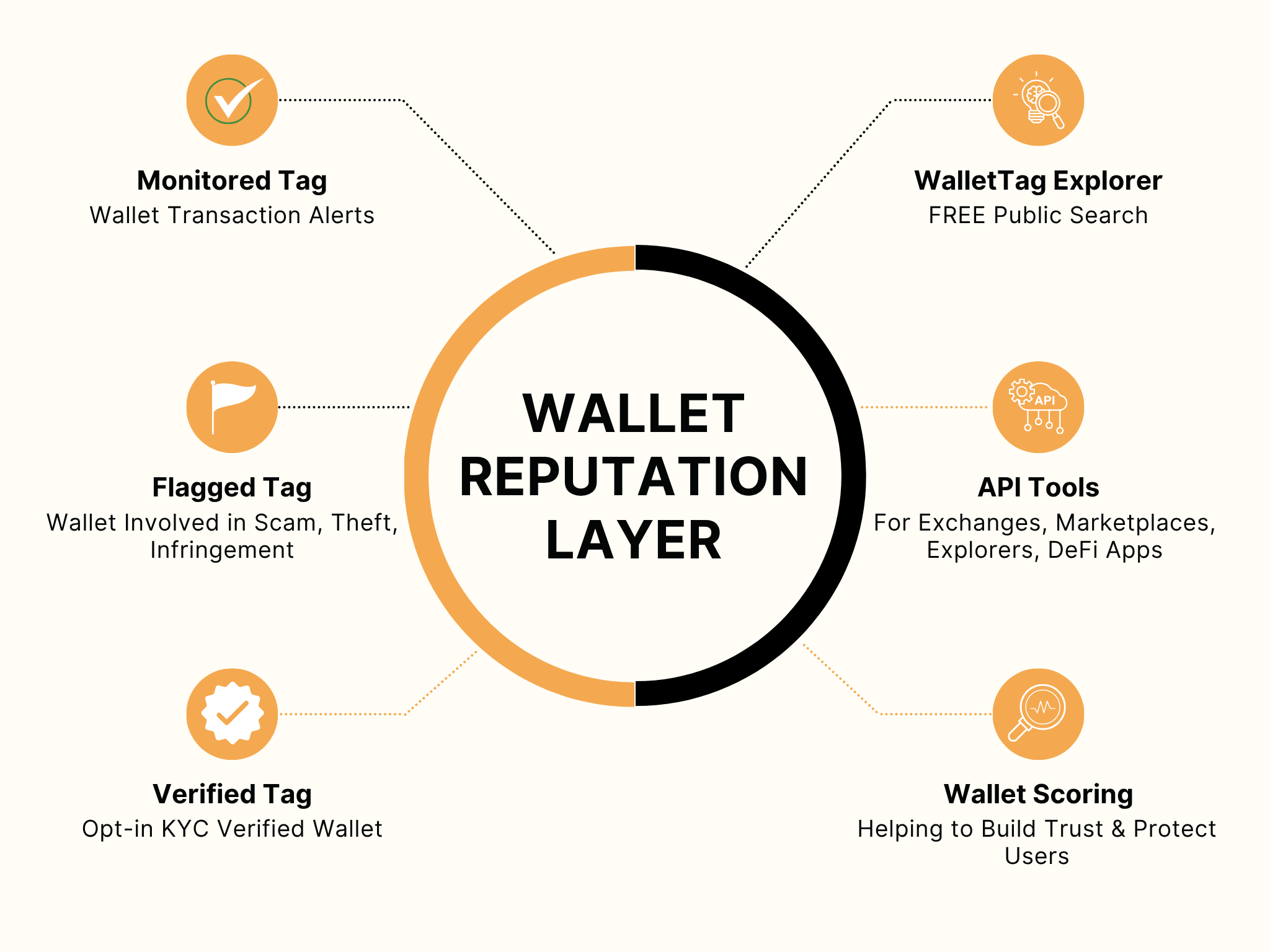
Reputation scores decay quickly if not updated. Look for providers that disclose their data sources and update frequency. A score based on on-chain data from six months ago is less reliable than one updated in real-time. Transparency in how the score is calculated—whether it uses on-chain history, off-chain data, or a hybrid—also helps you assess potential biases or blind spots in the reputation model.
Avoid Weak Wallet Reputation Options
Not all scoring systems hold up under regulatory scrutiny. Many providers rely on superficial metrics that fail to capture actual compliance risk, leaving your business exposed to hidden liabilities.
First, discard any wallet score based solely on transaction volume. High volume often correlates with high-risk activity, such as rapid layering or mixing services. A score that rewards activity without analyzing the nature of those transactions is misleading and dangerous for compliance.
Second, ignore scores that ignore chain-hopping. In 2026, assets move across multiple networks instantly. If a score only evaluates activity on Ethereum but ignores the same wallet's behavior on Solana or Layer 2s, it provides an incomplete picture of the user's true risk profile.
Finally, avoid static scores that do not update in real-time. Reputation is dynamic. A wallet that was clean yesterday may be involved in a scam today. If the provider does not offer live monitoring, the score is already outdated the moment you receive it.
Wallet reputation scores: common: what to check next
Before integrating these scores into your compliance stack, it helps to understand how they are calculated and what thresholds matter. The landscape is fragmented, but clear patterns have emerged across the major providers.
No comments yet. Be the first to share your thoughts!