What wallet reputation scores measure
A wallet reputation score is a numerical metric that evaluates an address’s trustworthiness, engagement, and long-term value on the blockchain. Unlike a simple security check that flags malware or phishing risks, a reputation score looks at the broader context of how an address interacts with the network.
These scores typically range from 0 to 100, providing a standardized way to segment Web3 users. They help platforms and compliance teams understand whether an address is an active, legitimate participant or a potential liability. The data behind these scores comes from analyzing transaction patterns, links to known entities, and the overall health of the wallet’s activity.
By focusing on reputation rather than just security, you get a clearer picture of identity. This distinction is critical for regulatory compliance, where understanding the source and nature of funds is just as important as ensuring the transaction itself is safe.
How to check a wallet reputation score
To evaluate on-chain identity, you need to pull data from specialized infrastructure rather than relying on guesswork. The process is straightforward: select a reputable auditing tool, input the wallet address, and interpret the resulting behavioral profile. These platforms aggregate on-chain activity to generate a score that reflects risk, experience, and compliance.
Below is the standard workflow for retrieving and interpreting a wallet reputation score using established tools like ChainAware or CoinInspect.
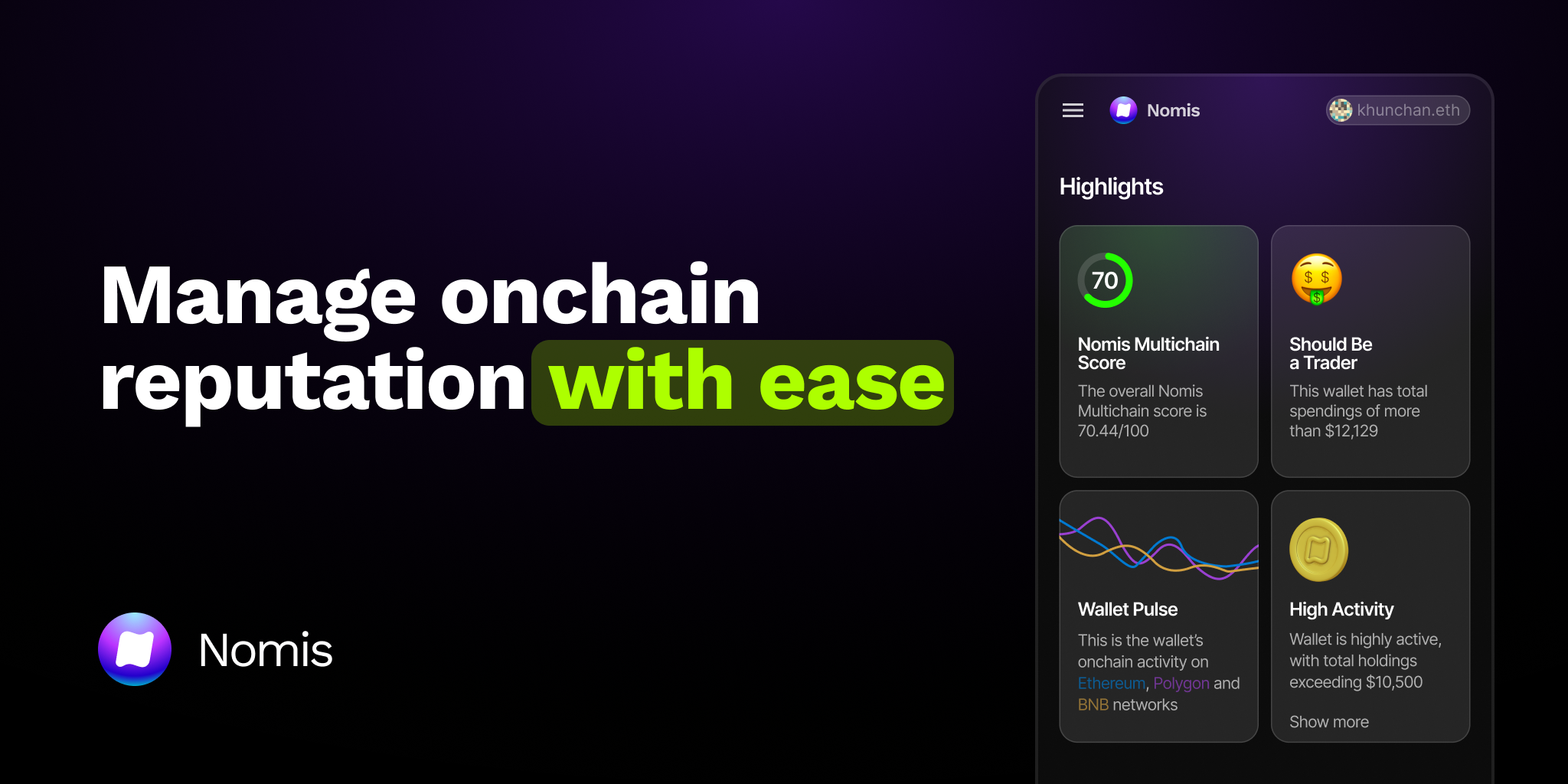
Start by choosing a tool with transparent methodology. CoinInspect offers a Security Score ranging from 0 to 100 based on four specific checklists, while ChainAware provides a broader behavioral profile including experience level and fraud risk. Verify that the tool cites its data sources clearly before proceeding.
Copy the public address from your wallet interface or the counterparty’s profile. Paste it into the tool’s search bar. Ensure you are using the correct network (e.g., Ethereum, Solana) if the tool requires network selection, as cross-chain reputation data may be fragmented.
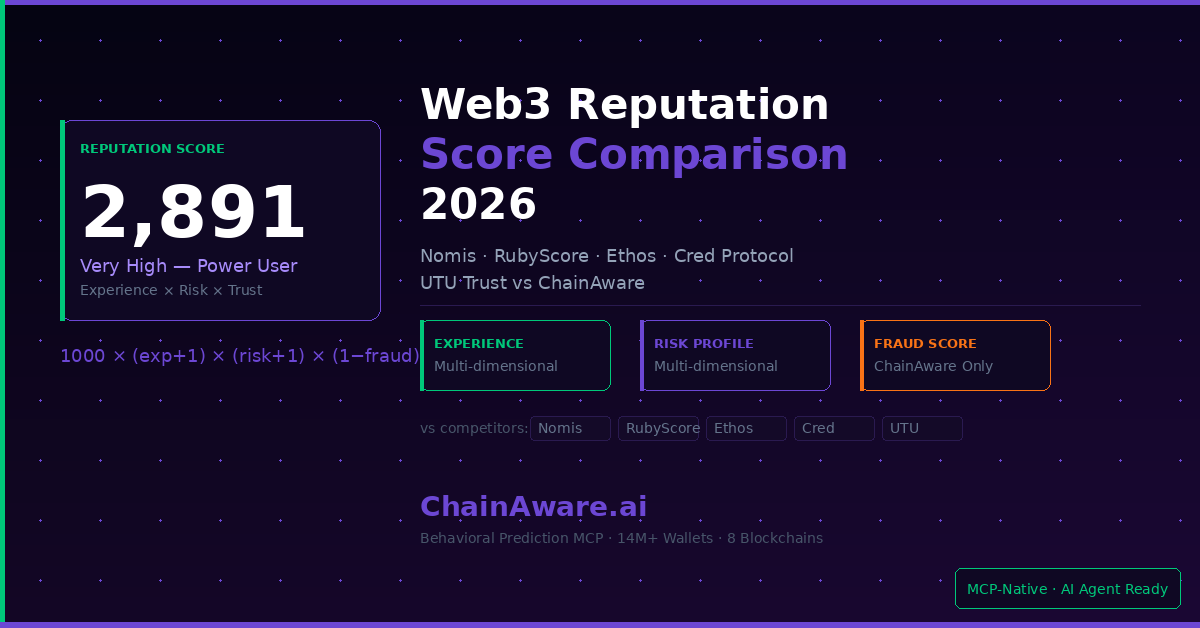
Do not rely on a single number. Look for the breakdown of factors: transaction history, interaction with known entities, and flag history. A high score with no transaction history may indicate a dormant or newly created wallet, which carries different risks than an active, high-volume address.
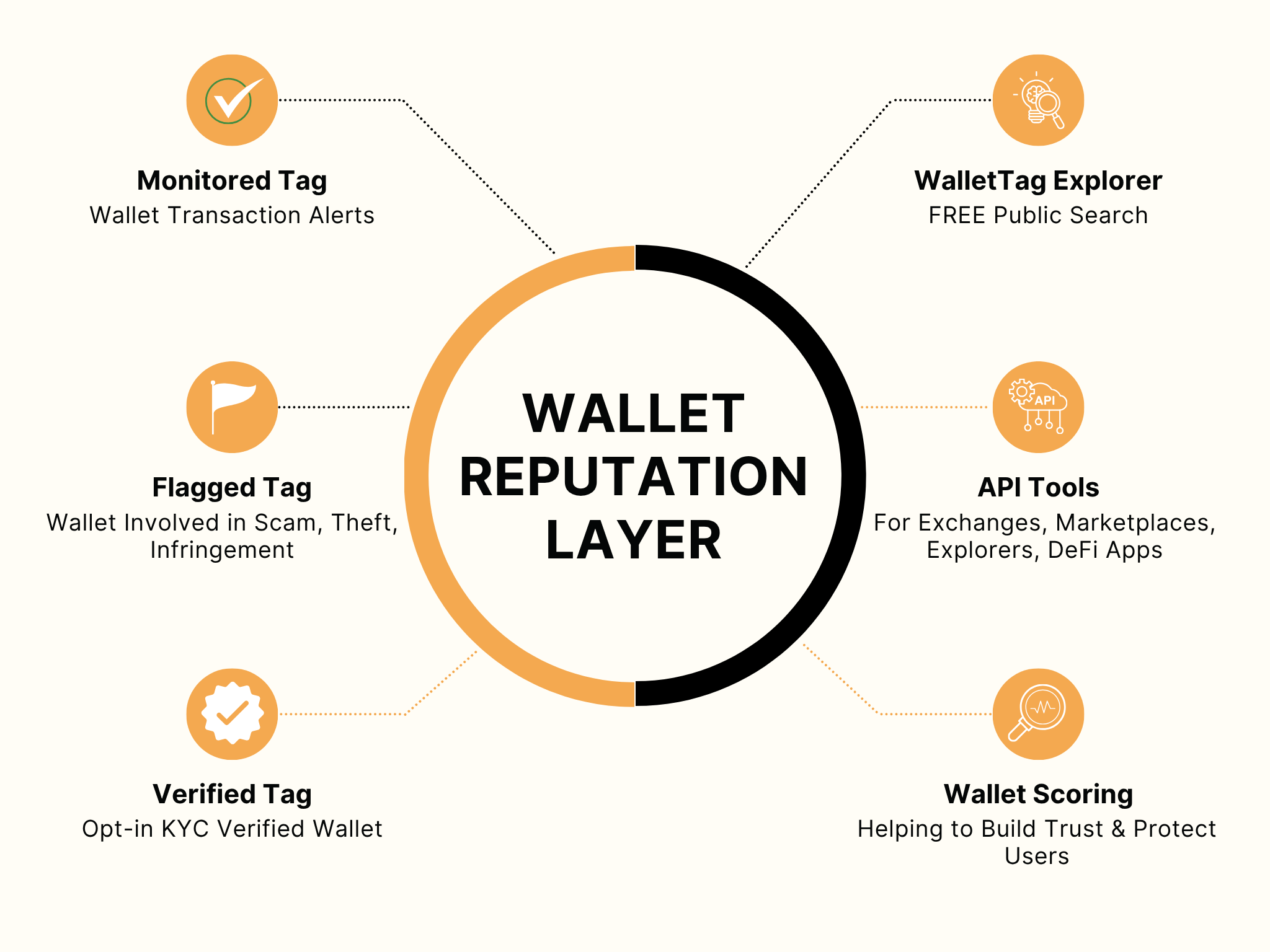
For high-stakes decisions, verify the initial finding against a second tool. If ChainAware flags a specific risk pattern, check if CoinInspect or BitsCrunch shows similar anomalies. Consistency across platforms increases confidence in the reputation assessment.
Compare top reputation scoring tools
Choosing a wallet reputation service depends on your specific risk tolerance. Nomis, RubyScore, ChainAware, and CoinInspect each use different methodologies to evaluate on-chain identity. This section compares their scoring ranges, data sources, and primary use cases to help you select the right tool for your compliance or user segmentation needs.
| Tool | Scoring Range | Primary Data Sources | Best Use Case |
|---|---|---|---|
| Nomis | 0–100 | Transaction history, entity clustering | Airdrop eligibility, broad user segmentation |
| RubyScore | 0–100 | Wallet activity, DeFi interactions | Gaming, NFTs, social engagement |
| ChainAware | 0–100 | Behavioral profiling, risk flags | Compliance, fraud detection |
| CoinInspect | 0–100 | Security checklists, threat intelligence | Security auditing, risk mitigation |
Nomis is widely recognized for its robust entity clustering, making it a strong choice for identifying related wallets across a network. Its scoring is heavily weighted toward transaction history and interaction patterns, which is why it is frequently used for airdrop eligibility checks. For more details on their methodology, you can review their official documentation.
RubyScore focuses on user engagement and activity depth. It is particularly effective for projects in the gaming and NFT spaces, where active participation is a key indicator of a legitimate user. Their model analyzes DeFi interactions and wallet activity to assign a score that reflects a user's long-term value and trustworthiness.
ChainAware takes a more defensive approach, generating a complete behavioral reputation profile. It is designed for compliance teams that need to identify risk profiles, fraud indicators, and suspicious activity. Their tool provides a detailed breakdown of a wallet's experience level and risk factors, making it ideal for regulatory reporting.
CoinInspect prioritizes security over engagement. Their Security Score is based on four distinct wallet security checklists, with the most critical checks having the largest impact on the final score. This makes CoinInspect the go-to choice for security auditing and risk mitigation, ensuring that wallets meet strict safety standards before they are allowed to interact with your platform.
Common mistakes in score interpretation
A high wallet reputation score often creates a false sense of security. It is easy to assume that a strong number means zero risk, but these scores are snapshots in time. They reflect recent transaction patterns and links to known entities, not long-term character or future intent.
The most frequent error is ignoring the specific methodology behind the tool you are using. As noted by Vezgo, wallet risk scoring evaluates risk by identifying transaction patterns and links to known addresses [src-serp-5]. However, different providers weigh these factors differently. One tool might prioritize liquidity provision, while another focuses on historical compliance flags. Without understanding the underlying logic, you cannot compare scores across platforms meaningfully.
Another pitfall is over-relying on a single metric. Behavioral scoring frameworks, such as the zScore-based models discussed in recent DeFi research, often use complementary scores to assess different aspects of wallet behavior, like strategic liquidity provision [src-serp-7]. Relying on a single aggregate number hides these nuances.
To avoid these traps, always verify the methodology before making decisions. Look for official documentation from the scoring provider. If the method is not transparent, treat the score with skepticism. Cross-reference multiple tools if possible, and remember that a high score is a starting point for investigation, not a final verdict.
Verify Identity with Hardware Wallets
Physical security is the bedrock of on-chain trust. A wallet reputation score means little if the private keys are vulnerable to remote exploits or physical theft. Using a hardware wallet ensures that your signing keys never leave the secure element, protecting your digital identity from malware and phishing attacks.
When evaluating your wallet's contribution to your reputation, prioritize devices that support secure element technology and transparent source code. This physical layer of defense signals to reputation protocols that you are a serious actor committed to long-term identity integrity.
Recommended Hardware Wallets
Selecting the right device depends on which chains you interact with most. Below are top-rated options that support the signing of reputation-attesting transactions.


As an Amazon Associate, we may earn from qualifying purchases.
No comments yet. Be the first to share your thoughts!