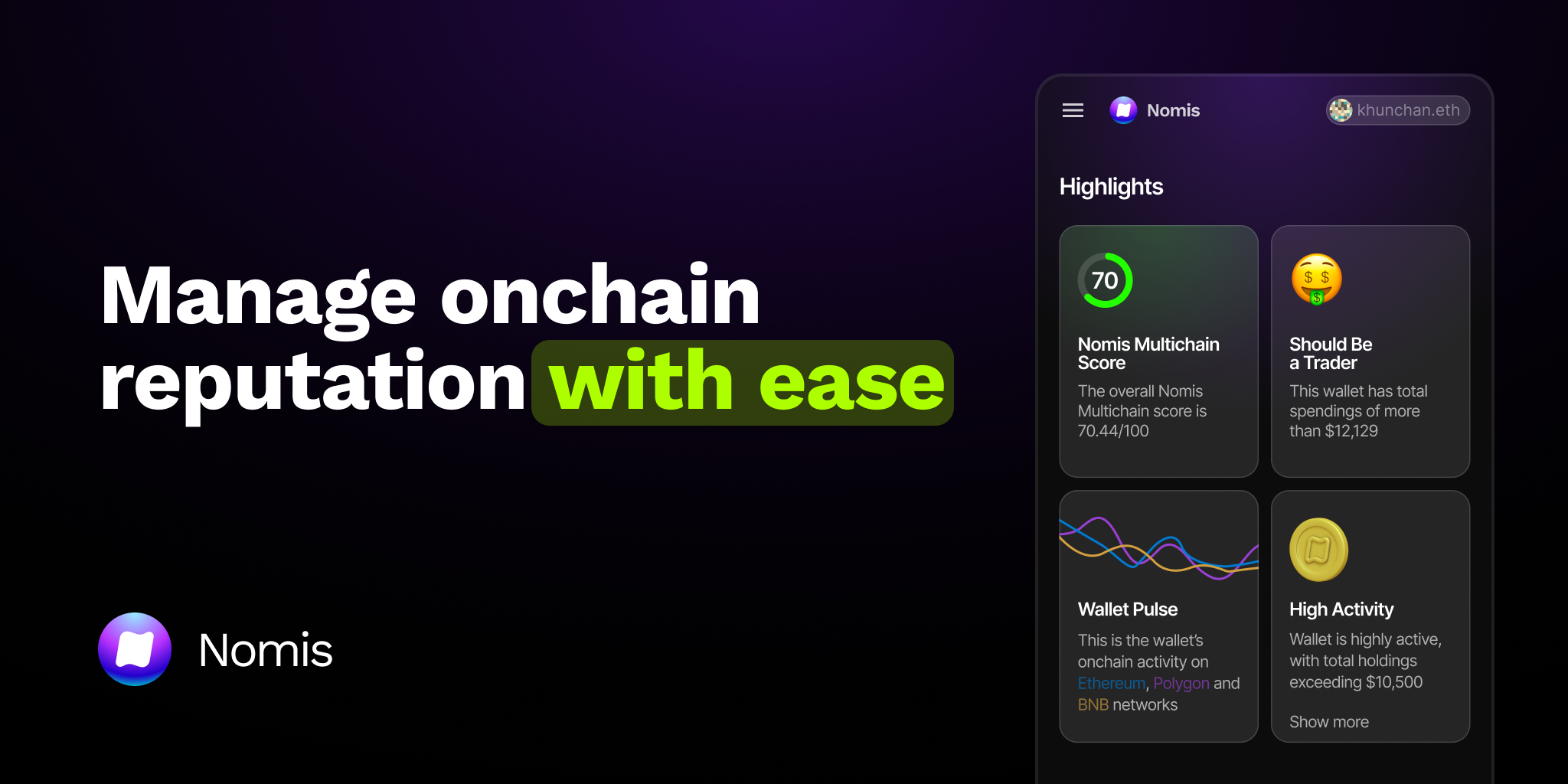
Understanding Wallet Reputation Scores
A wallet reputation score is a numerical rating that measures how engaged and valuable a blockchain wallet is based on its transaction history and behavior. Unlike traditional credit scores, these metrics are derived from on-chain data, analyzing factors such as transaction volume, counterparty diversity, and network longevity.
Scoring systems vary significantly between providers. For instance, Coinspect’s Security Score focuses heavily on security checklists, weighting critical safety checks more heavily than general activity. Formo, on the other hand, emphasizes user engagement and value to the ecosystem. This fragmentation means a high score in one system does not guarantee the same standing in another.
While every scoring model differs, a score of 80 or higher is generally considered excellent. This threshold often signals a wallet with a clean history, consistent activity, and minimal exposure to high-risk addresses. However, interpreting these numbers requires knowing the underlying methodology, as some systems penalize privacy-focused behaviors that others ignore.
Wallet reputation score choices that change the plan
A wallet reputation score quantifies the trustworthiness and activity level of a blockchain address. While these scores help identify high-quality users, they are not monolithic. Different providers weigh factors differently, leading to significant tradeoffs between security, activity, and identity verification.
When evaluating a score, you must understand which metrics are being prioritized. A score based solely on transaction volume may flag a high-frequency trader as "excellent" while ignoring exposure to illicit addresses. Conversely, a security-focused score might penalize a user for interacting with a newly launched, unverified contract, even if that contract is legitimate.
The following table compares how different scoring models handle common on-chain behaviors. This helps you determine which metric aligns with your specific use case, whether you are a DeFi protocol assessing risk or an individual seeking airdrop eligibility.
| Factor | Security Model | Activity Model | Identity Model |
|---|---|---|---|
| Interaction with Unverified Contracts | High penalty | Neutral or positive | Neutral |
| Transaction Volume | Neutral | High positive weight | Neutral |
| Link to Sanctioned Address | Critical penalty | Neutral | Critical penalty |
| Age of Wallet | Positive | Positive | Neutral |
| KYC/On-Chain Identity | Neutral | Neutral | High positive weight |
| Diversified Asset Holdings | Positive | Positive | Neutral |
A score of 80 or higher is generally considered excellent across most models. However, a "good" score depends on your goal. If you are avoiding risk, prioritize models that penalize exposure to sanctioned entities. If you are optimizing for engagement rewards, prioritize models that value consistent transaction volume over strict security checks.
How to build a wallet reputation score framework
Building a framework for wallet reputation scores requires looking at both the data sources and the weighting logic. Unlike a simple credit rating, this score aggregates on-chain activity, security posture, and transaction history to create a verifiable identity.
1. Define the primary scoring dimensions
Start by identifying the core attributes that matter for your use case. Most infrastructure providers break scores into three buckets: security (e.g., exposure to malicious contracts), activity (transaction frequency and volume), and diversity (interaction with different protocols). For a general-purpose score, security should carry the highest weight, as it directly correlates with risk exposure.
2. Select your data source and infrastructure
You need a reliable oracle to pull this data. Options range from dedicated wallet scoring APIs like Formo or Coinspect to on-chain analytics platforms. Coinspect, for example, uses four specific security checklists to derive its score, while Formo focuses on engagement metrics. Choose a provider whose methodology aligns with whether you prioritize safety or active usage.
3. Weight the factors for your specific context
Not all scores are created equal. A DeFi protocol might prioritize transaction diversity to ensure users aren't just farming a single token, while a security audit firm might focus exclusively on historical exposure to hacks. Assign percentages to your chosen dimensions. A score of 80 or higher is generally considered excellent, but your threshold for "good" depends on your risk tolerance.
4. Implement the scoring algorithm
Translate your weights into a mathematical model. This usually involves normalizing raw data (e.g., converting transaction counts to a 0–100 scale) and applying the weights. Ensure the system can handle edge cases, such as new wallets with no history, by assigning a default neutral score until sufficient data is collected.
5. Validate and iterate
Test your framework against known good and bad wallets. If a wallet with a history of interacting with sanctioned addresses receives a high score, your weighting is flawed. Regularly update your model to reflect new threats and changing on-chain behaviors. Reputation scores are not static; they decay if the wallet becomes inactive or gains new negative signals.



As an Amazon Associate, we may earn from qualifying purchases.
Avoid Weak Reputation Options
Not all wallet identity systems are built the same. Many platforms offer scores that look impressive but miss critical on-chain risks. When evaluating a wallet reputation score, you need to look past the final number and check the underlying methodology.
The 80-Point Threshold
A score of 80 or higher is typically considered excellent. However, this benchmark varies by provider. Some systems inflate scores by ignoring small but dangerous transaction patterns. Always verify if the scoring model penalizes interactions with known mixer contracts or high-risk dApps.
Hidden Risk Factors
Common mistakes include relying solely on transaction volume. A wallet with high volume but frequent interactions with sanctioned addresses may still have a high reputation score on weaker platforms. Check if the provider incorporates blacklist checks and compliance data. Without these, the score is merely a measure of activity, not safety.
Provider Transparency
Reputable providers like Coinspect or Formo publish their scoring weights. If a tool does not explain how it calculates its score, treat it with skepticism. Look for clear definitions of how security, engagement, and compliance factors are weighted. This transparency is your best defense against misleading metrics.
No comments yet. Be the first to share your thoughts!