What wallet reputation scores measure
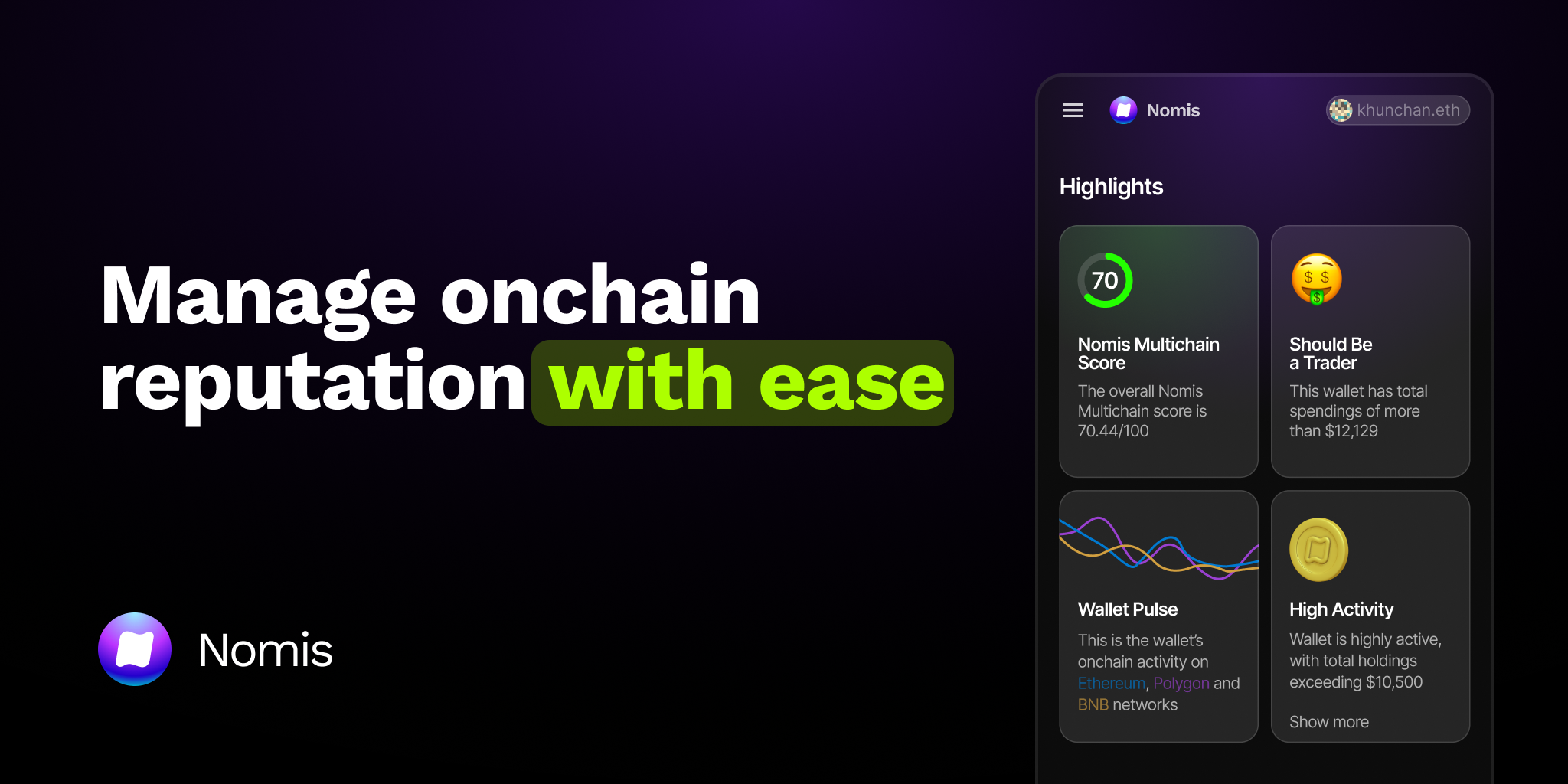
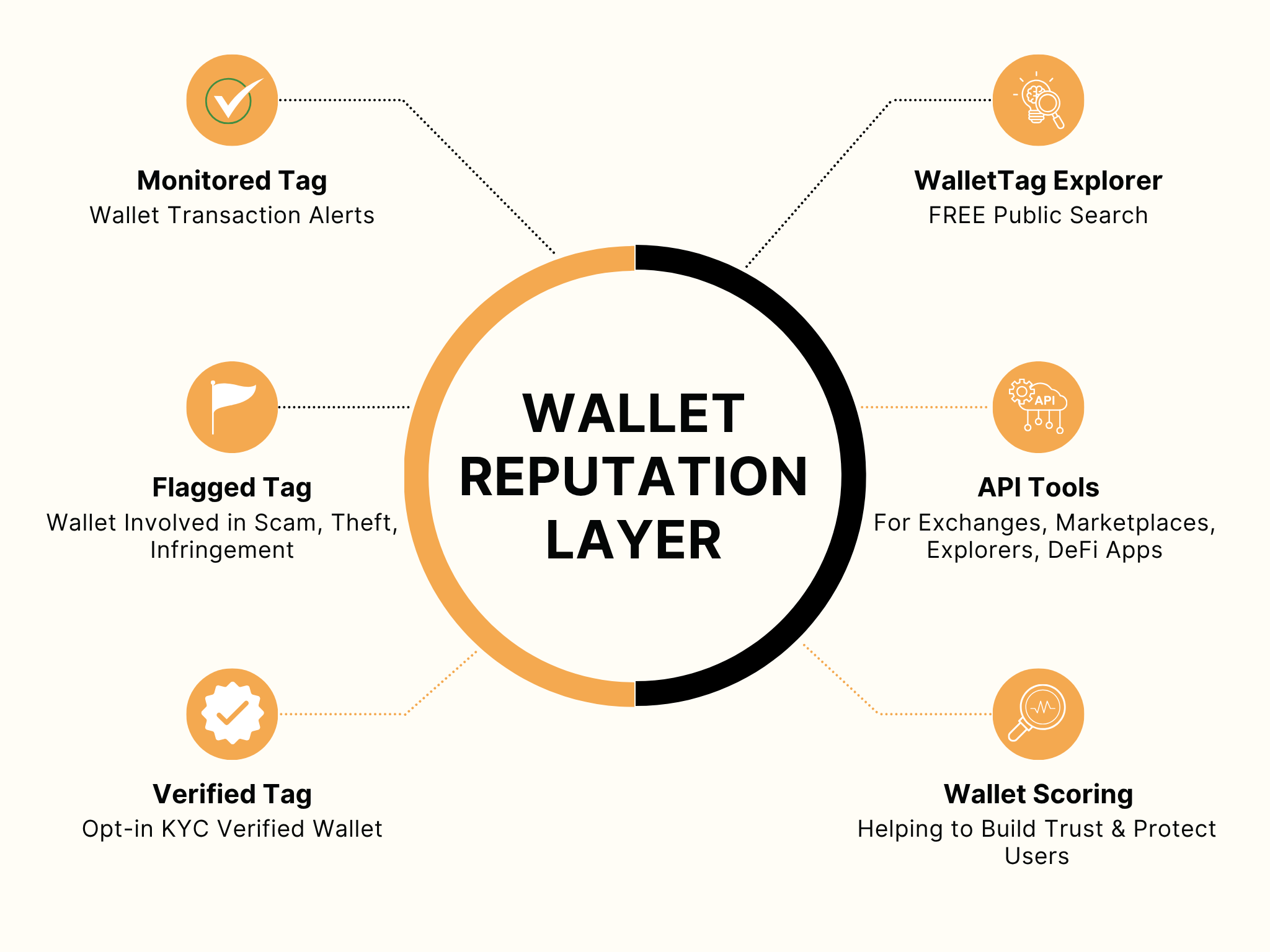
A wallet reputation score is a numerical assessment—typically on a 0 to 100 scale—that evaluates the risk and value of a blockchain address. Unlike traditional credit scores, which track financial debt and repayment history, on-chain reputation scores analyze transactional behavior, security hygiene, and engagement patterns. These scores help institutions and users gauge the trustworthiness of a wallet before interacting with it.
Scoring methodologies generally focus on three core areas:
Security Hygiene This measures how well a wallet protects its assets. Tools like Coinspect evaluate factors such as the use of hardware wallets, multi-signature setups, and exposure to known malicious contracts. A high security score indicates that the wallet owner has taken significant steps to prevent unauthorized access or theft.
Transactional Risk This assesses the nature of the funds moving through the wallet. Analytics providers like Vezgo scan for interactions with high-risk entities, such as darknet markets, mixers, or sanctioned addresses. Frequent contact with these entities lowers the reputation score, flagging the wallet as potentially involved in illicit activities.
Behavioral Engagement This looks at the wallet’s activity level and consistency. A wallet that regularly interacts with reputable decentralized finance (DeFi) protocols or holds long-term assets is often viewed more favorably than one that appears dormant or engages in high-frequency, suspicious trading patterns. Formo highlights that this engagement data helps segment users based on their value and reliability within the Web3 ecosystem.
Run a wallet risk assessment
Assessing a wallet’s reputation is less about guessing and more about following a strict sequence of checks. A single missed flag can expose you to illicit funds or compromised assets. We will walk through the exact steps to perform this assessment using industry-standard tools like Coinspect and Vezgo.
Start by locating the public address you intend to audit. Ensure you are copying the full string, including the correct network prefix (e.g., 0x for Ethereum, bc1 for Bitcoin). A single character error leads to a null result or, worse, an assessment of the wrong entity. Verify the address against your transaction records or the counterparty’s official channel before proceeding.
Not all scanners are created equal. For regulatory compliance and legal precision, choose a tool that explicitly details its methodology. Coinspect, for instance, uses a 0–100 scale based on four security checklists where critical checks have the heaviest impact. Vezgo evaluates risk by mapping transaction patterns against known illicit addresses. Select the tool that aligns with your specific compliance framework.
Paste the verified address into the tool’s search bar and initiate the scan. This process queries blockchain data to identify interactions with high-risk entities, such as mixers, sanctioned addresses, or darknet markets. Allow the scan to complete fully; rushing this step may result in incomplete data if the wallet has a long transaction history. The tool will aggregate this data into a single reputation or risk score.
A score of 80 or higher on a 0–100 scale is typically considered excellent, indicating a clean history. However, do not rely on the number alone. Review the detailed breakdown: did the wallet interact with a sanctioned entity last week, or five years ago? Context matters. A low score might stem from a single, resolved incident, while a high score could mask subtle, ongoing exposure to grey-area protocols. Document these findings for your compliance records.
By following this sequence, you move from uncertainty to a documented, defensible assessment. Always keep the original address and the tool’s report timestamped for your records.
Compare scoring models and tools
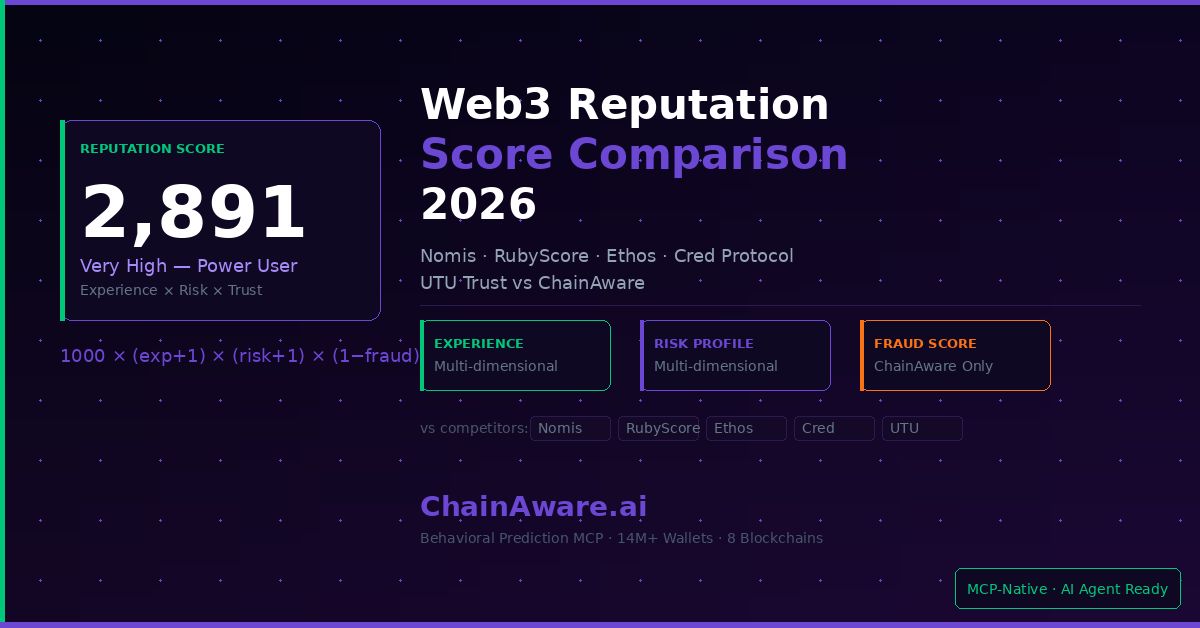
Not all wallet reputation scores measure the same thing. Some tools focus on technical security hygiene, others on transactional risk, and a third group on user engagement and value. Choosing the right model depends on your specific use case: are you vetting a partner for compliance, assessing a user for a DeFi protocol, or simply checking if a wallet has been compromised?
The following comparison highlights three prominent approaches found in the industry. Each uses a 0–100 scale, but the criteria behind that number vary significantly.
| Tool | Primary Focus | Data Sources | Best For |
|---|---|---|---|
| Coinspect | Security Hygiene | Wallet checklists, blacklist databases | Technical security audits and vulnerability detection |
| Formo | Engagement & Value | On-chain activity, asset holdings, transaction history | User segmentation and marketing qualification |
| Vezgo | Risk & Compliance | Transaction patterns, known entity links, AML lists | Regulatory compliance and fraud prevention |
Security-focused tools like Coinspect prioritize technical vulnerabilities. They check if a wallet has signed suspicious transactions or interacts with known malicious contracts. A high score here means the wallet is technically "clean" and secure.
Engagement-focused tools like Formo look at the human behind the address. They analyze transaction frequency, asset diversity, and historical activity to determine how valuable a user is to a platform. This is less about safety and more about potential.
Risk-focused tools like Vezgo are designed for compliance. They trace the flow of funds to identify connections to sanctioned entities, mixers, or high-risk exchanges. A low score here indicates a potential regulatory red flag, regardless of the wallet's technical security.


As an Amazon Associate, we may earn from qualifying purchases.
When selecting a tool, start by defining your primary risk. If you are building a DeFi app, you likely need Vezgo to prevent money laundering. If you are running a loyalty program, Formo’s engagement data will give you better insights. For general security checks on a specific address, Coinspect provides the most granular technical breakdown.
Fix common reputation score errors
A low wallet reputation score rarely happens overnight. It usually stems from specific, correctable behaviors that risk models flag as suspicious. If your score has dropped, the first step is to stop using the wallet for new transactions and audit your history. Most scoring systems, such as those detailed by Vezgo, rely on transaction patterns and links to known high-risk entities. You can often reverse the damage by isolating the issue and demonstrating clean activity over time.
Stop interacting with flagged addresses
The most common error is transacting with addresses linked to mixers, darknet markets, or sanctioned entities. Even a single small transfer to a flagged address can tank your score. Check your transaction history against a block explorer. If you see interactions with high-risk addresses, stop using that wallet immediately. Create a new wallet for future activity and transfer only the remaining balance to the new address. This isolates the "contaminated" address and prevents further score degradation.
Avoid rapid, high-volume transfers
Scoring algorithms flag wallets that move funds in bursts. This pattern resembles money laundering or rapid layering. If you need to consolidate funds, do it in stages. Wait for confirmations between transfers. A steady, predictable flow of transactions builds trust with risk models, while erratic spikes trigger manual reviews or automatic downgrades.
Verify your identity on-chain
Many reputation systems now incorporate on-chain identity verification. If you have verified your identity on platforms like Gitcoin Passport or similar services, link that proof to your wallet. This adds a layer of trust that offsets minor anomalies in your transaction history. It signals to risk models that you are a real, accountable user rather than an anonymous actor.
Checklist for improving wallet reputation
-
Audit transaction history for links to mixers or sanctioned addresses.
-
Stop using the flagged wallet for new transactions immediately.
-
Transfer remaining funds to a clean, new wallet.
-
Consolidate future funds in small, spaced-out batches.
-
Link verified identity proofs (e.g., Gitcoin Passport) to the wallet.
Verify scores with official sources
A wallet reputation score is a model’s best guess, not a legal guarantee. To use these scores in compliance workflows, you must cross-reference them with primary blockchain data and official sanction lists. This verification step protects your organization from false positives and regulatory blind spots.
Start by checking the wallet against the Office of Foreign Assets Control (OFAC) Specially Designated Nationals (SDN) list. This is the primary source for U.S. regulatory enforcement. If the wallet appears here, the reputation score is secondary; the asset is restricted. Next, review the transaction history on a block explorer like Etherscan. Look for direct interactions with known mixers or sanctioned addresses. These interactions often explain why a score is low, providing the audit trail needed for internal reporting.
Do not rely solely on aggregated scores from third-party analytics firms. These platforms may use different methodologies, as seen in academic research on zScore-based ranking or liquidity provision metrics. Without access to the underlying raw data, you cannot validate the score’s accuracy. Always treat the score as a flag, not a final verdict. Verify the flag against on-chain evidence before making any compliance decisions.
No comments yet. Be the first to share your thoughts!