Why wallet scores matter now
The era of pseudonymous anonymity in Web3 is ending. As institutional capital enters the space, the lack of identity has become a liability rather than a feature. Wallet reputation scores have shifted from niche gamification metrics to essential compliance tools. They provide a way to assess counterparty risk by analyzing on-chain history, allowing protocols and users to verify trustworthiness before executing a transaction.
Traditional financial systems rely on credit bureaus and KYC checks to establish trust. In decentralized finance, this data is fragmented across blockchains. Wallet scoring aggregates this data—linking addresses to known entities, tracking transaction patterns, and identifying exposure to high-risk services. This creates a unified view of an address’s behavior, similar to a credit report but built entirely from public ledger data.
The regulatory pressure is driving this adoption. Institutions cannot onboard clients without understanding the source of funds or the destination of assets. A low wallet score signals potential exposure to sanctions, mixers, or illicit activity, creating a compliance bottleneck. For these entities, a high reputation score is not just a badge of honor; it is a prerequisite for accessing capital and liquidity.
While individual users may still value privacy, the broader market is moving toward accountable identity. This shift ensures that on-chain activity is tied to real-world consequences, reducing fraud and increasing the stability of the entire ecosystem. Understanding these scores is now fundamental to navigating high-stakes financial interactions in Web3.
How reputation scores are calculated
A wallet reputation score is not a single metric but a composite index derived from on-chain history, counterparty risk, and behavioral patterns. Think of it as a digital credit report: the system looks at who you transact with, how you transact, and the stability of your holdings to assign a numerical value, typically ranging from 0 to 100.
The most significant factor is usually transaction history. Platforms like Coinspect analyze four core security checklists, weighting the most critical checks heavily [1]. This includes the age of the wallet, the diversity of its transaction volume, and whether it has interacted with smart contracts that have known vulnerabilities. A wallet with a long, clean history of standard ERC-20 transfers will naturally score higher than one that engages in frequent, complex DeFi interactions.
Counterparty risk is the second pillar. Every time your wallet interacts with another address, it inherits a fraction of that counterparty’s risk profile. If you send funds to a mixer, a sanctioned entity, or a wallet linked to a known exploit, your score drops. This is why the "trust" score often ranges from 1 to 100, with lower numbers indicating higher exposure to illicit or high-risk entities [2]. The system maps these connections to identify if your wallet is part of a larger cluster associated with malicious activity.
Finally, behavioral patterns assess engagement and stability. Academic research on DeFi scoring frameworks suggests that strategic liquidity provision and consistent activity can positively influence a score, while erratic, high-frequency trading or sudden large withdrawals may signal instability or a "rug pull" risk [3].
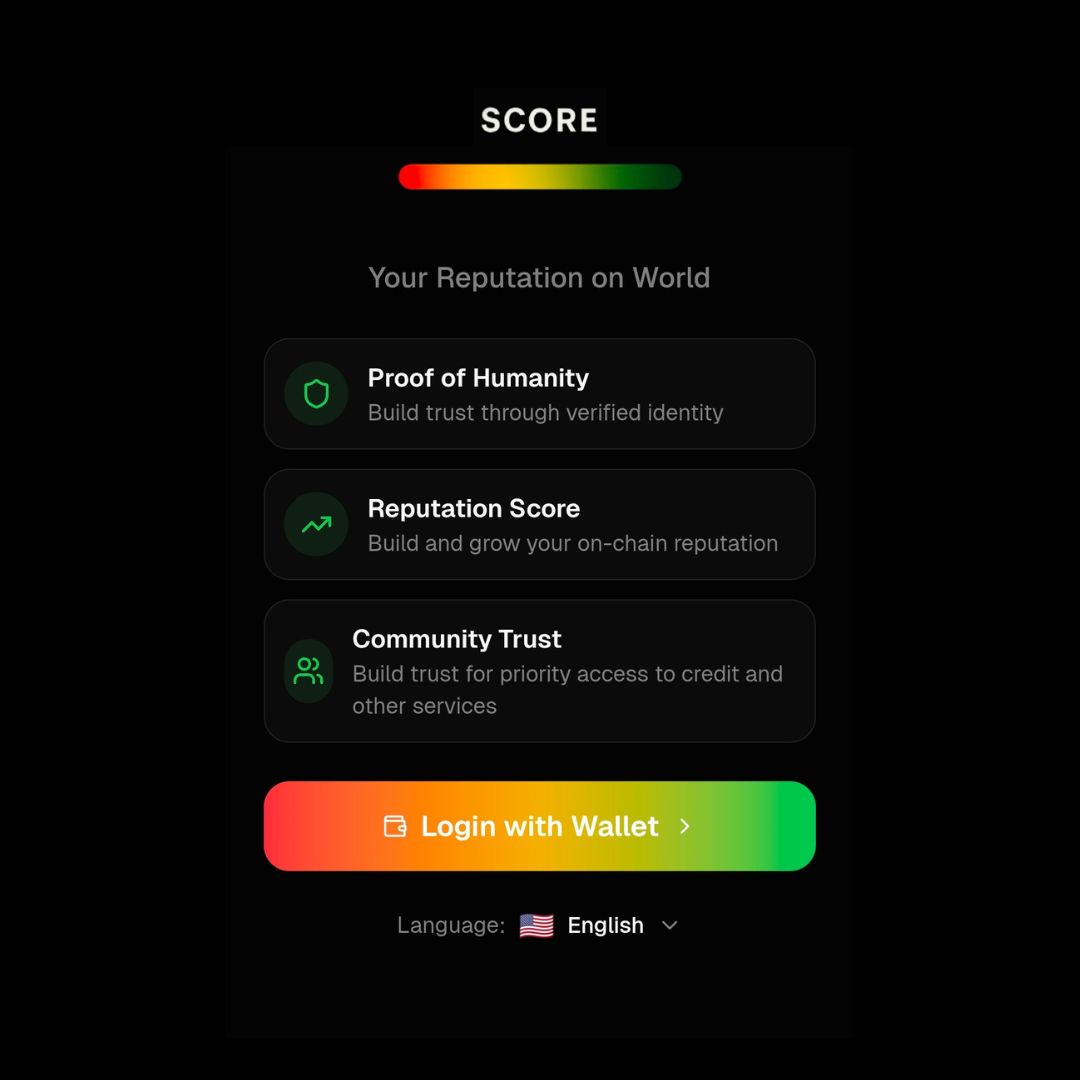
Risk scores versus trust scores
Wallet Reputation Scores works best as a clear sequence: define the constraint, compare the realistic options, test the tradeoff, and choose the path with the fewest hidden costs. That order keeps the advice usable instead of decorative. After each step, pause long enough to check whether the recommendation still fits the reader's actual situation. If it depends on perfect timing, unusual access, or a best-case budget, include a simpler fallback.
| Factor | What to check | Why it matters |
|---|---|---|
| Fit | Match the option to the primary use case. | A good deal still fails if it does not fit the job. |
| Condition | Verify age, wear, and service history. | Hidden condition issues erase upfront savings. |
| Cost | Compare purchase price with likely upkeep. | The cheapest option is not always the lowest-cost option. |
Using scores for compliance checks
Wallet Reputation Scores works best as a clear sequence: define the constraint, compare the realistic options, test the tradeoff, and choose the path with the fewest hidden costs. That order keeps the advice usable instead of decorative. After each step, pause long enough to check whether the recommendation still fits the reader's actual situation. If it depends on perfect timing, unusual access, or a best-case budget, include a simpler fallback.
Common pitfalls in wallet reputation scores
Wallet reputation scores are powerful, but they are not infallible. They rely entirely on on-chain history, which means they can miss critical off-chain context. A high score often reflects a clean transaction log, not necessarily the ethical or legal standing of the wallet owner.
The Mixer Mask
Privacy tools like Tornado Cash can artificially inflate a wallet’s reputation. By breaking the link between a wallet’s history and its current identity, mixers create a "clean" slate. A scoring algorithm sees no dirty transactions and awards a high trust score, even if the wallet is actively laundering funds. This is a primary source of false positives in automated compliance checks.
Static Snapshots
Reputation is dynamic, but many scores are static snapshots. A wallet may have started clean but recently interacted with sanctioned entities. If the scoring provider does not update its data in real-time, you are relying on outdated information. Always check the last update timestamp on the report. Relying on a score from last month can expose you to significant counterparty risk.
Score Interpretation
While a score of 80 or higher is often cited as "excellent," the threshold varies by provider. Coinspect and ScoreChain use 0–100 scales, but the weight given to different risk factors differs. A score of 90 on one platform might be a 70 on another. Never treat these numbers as universal truths; treat them as one data point in your due diligence.
Frequently asked: what to check next
What is a good reputation score?
While every scoring system is different, a score of 80 or higher on a 0–100 scale is typically considered excellent. This threshold suggests a strong on-chain history with minimal exposure to sanctioned entities or high-risk activity. Scores below this range may signal counterparty risk that warrants further investigation before engaging in high-value transactions.
What is the wallet trust score?
The wallet trust score evaluates the risk associated with a crypto wallet address by analyzing its transaction patterns and links to known entities. The score ranges from one to one hundred, with lower scores indicating higher risk exposure. In addition to the numerical score, reports often highlight specific risk indicators linked to the wallet's activity, helping you verify the source of funds.
How is wallet reputation calculated?
Wallet reputation is not a single metric but a composite of on-chain behavior. It factors in transaction frequency, interaction with smart contracts, and connections to entities flagged for illicit activity. By reviewing the on-chain history, you can see how these variables combine to form a reputation profile that reflects your financial hygiene.
No comments yet. Be the first to share your thoughts!