What wallet reputation scores measure
A wallet reputation score is a numerical metric evaluating the trustworthiness, engagement, and long-term value of a blockchain address. Think of it as a credit report for your digital identity, combining historical on-chain activity with verification status.
These scores typically range from 0 to 100, with higher numbers indicating lower risk and greater reliability. Protocols like Veritas Protocol use AI to analyze patterns, identifying whether an address is associated with illicit activity or consistent, legitimate engagement.
This distinction matters because DeFi platforms increasingly gate access based on these scores. A high reputation score signals to lenders and liquidity providers that you are a trustworthy counterparty, reducing friction for loans, staking, and high-value transactions.
Checking your score before interacting with a new protocol is a critical step in managing your on-chain risk profile. It helps you understand how the broader ecosystem views your wallet, allowing you to address any red flags before they impact your ability to participate.
Check your current on-chain reputation
Before you integrate any scoring system into your compliance workflow, you need to know where your wallet stands today. Reputation scores are not static; they evolve with every transaction, interaction, and block time. To verify your current standing, you must query at least three distinct providers. Relying on a single data source creates blind spots that bad actors can exploit.
1. Query Formo for baseline trust metrics
Formo provides a numerical reputation metric (0–100) that evaluates trustworthiness, engagement, and long-term value. This score is particularly useful for understanding how your wallet appears to institutional counterparties who prioritize long-term engagement over speculative activity.
Navigate to the Formo dashboard and connect your primary wallet address. The platform will analyze your historical transaction patterns to generate a baseline trust score. Pay close attention to the "engagement" component of the score; a high transaction volume with low interaction depth (e.g., only swapping tokens without interacting with dApps) may result in a lower overall reputation rating.
2. Assess risk with Veritas Protocol
Veritas Protocol uses AI to assess the trustworthiness of a crypto wallet based on its on-chain activity. Unlike simple volume-based metrics, Veritas looks for subtle indicators of risk, such as interactions with sanctioned addresses or unusual clustering patterns that might suggest wash trading.
Input your wallet address into the Veritas reputation score tool. Review the risk flags carefully. If Veritas identifies any high-risk interactions, these will significantly drag down your reputation score. This step is critical for legal compliance, as it highlights potential liabilities that other, less sophisticated scoring engines might miss.
3. Verify reliability via Bitscrunch
Bitscrunch evaluates the reliability of wallets by analyzing their consistency and platform associations. Their reputation score focuses on the stability of your on-chain identity. A wallet that appears and disappears frequently, or one that interacts primarily with high-risk platforms, will score poorly here.
Access the Bitscrunch testnet app and enter your wallet address. The resulting reliability score tells you how "stable" your identity looks to the broader ecosystem. If your score is low, it may indicate that your transaction history is too fragmented or that you have interacted with platforms known for facilitating illicit activity.
4. Cross-reference and reconcile
Once you have scores from Formo, Veritas, and Bitscrunch, compare them. Discrepancies are common and informative. For example, a high Formo score but a low Veritas score might indicate that while you are an active user, you have recently interacted with a flagged entity.
Document these scores in your internal compliance records. If you are preparing for a regulatory audit, having a multi-provider snapshot of your reputation provides a robust defense. It demonstrates that you are actively monitoring your on-chain identity and taking steps to mitigate risk. If any score is critically low, pause new high-value transactions until you can clean up the underlying causes.
Compare top reputation scoring tools
Choosing the right wallet reputation scoring tool depends on what you value most: security, identity, or cross-chain presence. Each platform uses different methodologies to evaluate your on-chain activity, so matching their strengths to your specific needs is essential.
Formo
Formo treats wallet scoring as a data-driven standard for ranking and segmenting Web3 users. It assigns a numerical reputation metric from 0 to 100, evaluating trustworthiness, engagement, and long-term value. This makes it particularly useful for projects looking to qualify high-value users or segment their community based on proven on-chain behavior. Formo
Veritas Protocol
Veritas Protocol leverages AI to assess the trustworthiness of a crypto wallet based on its on-chain activity. By analyzing transaction patterns and interactions, it provides a reputation score that helps identify legitimate users and filter out bad actors. This approach is ideal for applications prioritizing security and fraud prevention through advanced behavioral analysis. Veritas Protocol
Bitscrunch
Bitscrunch offers an on-chain metrics-based reputation score that evaluates the trustworthiness and reliability of wallets or their associated platforms. It focuses on practical reliability indicators, making it a solid choice for users and projects needing a straightforward assessment of wallet integrity. The platform provides a clear view of wallet history to support decision-making. Bitscrunch
Nomis
Nomis provides a Multichain Score that reflects wallet behavior across multiple ecosystems, including BNB, Polygon, and Ethereum. It captures your total crypto presence and influence across these chains, offering a holistic view of your reputation. This is the best option if you operate across several blockchains and need a unified score that accounts for your activity everywhere. Nomis
| Tool | Scoring Method | Supported Chains | Best Use Case |
|---|---|---|---|
| Formo | Data-driven (0-100) | Multi-chain | User segmentation & qualification |
| Veritas Protocol | AI behavioral analysis | Multi-chain | Security & fraud prevention |
| Bitscrunch | On-chain metrics | Multi-chain | Wallet reliability assessment |
| Nomis | Multichain presence | BNB, Polygon, ETH, etc. | Cross-chain reputation overview |


As an Amazon Associate, we may earn from qualifying purchases.
Build a higher reputation score
Improving your wallet reputation score requires consistent, verifiable on-chain activity. Scoring engines like Formo or zScore evaluate trustworthiness by analyzing transaction history, engagement depth, and compliance with regulatory standards. A higher score signals to protocols and counterparties that your wallet is low-risk and reliable.
Follow these steps to systematically improve your score through verified behavior and strategic interactions.
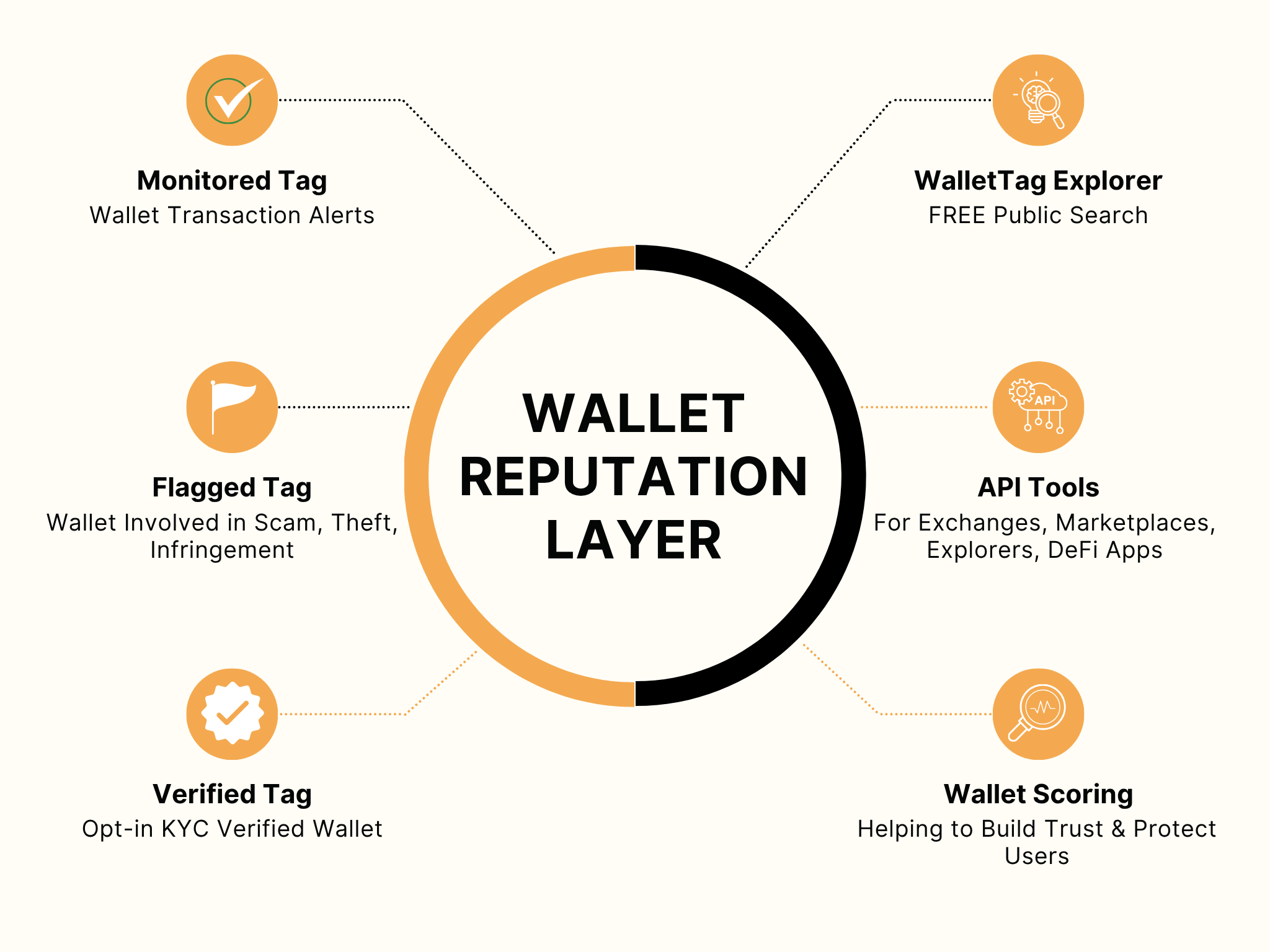
Link your wallet to a verified identity provider (e.g., Gitcoin Passport, SupraID, or a KYC provider). Scores heavily weight verified identity because it reduces anonymity-based risk. Without a verified link, your wallet may be flagged as high-risk regardless of transaction history.
Avoid relying on a single protocol or token. Interact with multiple reputable DeFi platforms, NFT marketplaces, and DAOs. Scoring models look for a balanced distribution of activity. A wallet that only interacts with high-yield or unverified protocols often receives a lower trust rating.
Regular, small transactions are better than sporadic large ones. Consistent engagement over months demonstrates long-term commitment. Avoid sudden, large transfers that could trigger anti-money laundering (AML) flags. Steady, predictable behavior builds a stronger historical data profile for scoring algorithms.
Audit your transaction history for interactions with known high-risk addresses or unverified smart contracts. Many scoring engines penalize wallets that interact with sanctioned entities or mixing services. Use a wallet reputation checker to identify and distance yourself from these risky interactions.
Vote in DAO proposals or engage in on-chain governance. This signals active, legitimate participation rather than passive holding. Governance participation is a strong positive signal for reputation scores because it demonstrates community involvement and accountability.
A higher reputation score opens doors to better terms, lower fees, and access to exclusive protocols. It is a cumulative process that rewards patience and verified compliance.
Common questions about wallet scores
Understanding how your on-chain identity is scored helps you verify compliance and security before interacting with high-stakes smart contracts. Below are answers to the most frequent questions about reputation scores, based on standard security checklists and industry rankings.
No comments yet. Be the first to share your thoughts!