What is a wallet reputation score
A wallet reputation score is a numerical metric—typically ranging from 0 to 100—that evaluates the trustworthiness, engagement, and long-term value of a blockchain address. Unlike simple security checks that verify if a wallet is technically active or solvent, a reputation score analyzes behavioral patterns to determine if the wallet belongs to a real, compliant user rather than a bot or malicious actor.
In the context of a Wallet Reputation Scores guide, this metric serves as a critical compliance tool. It allows platforms to segment users based on risk profiles, enabling more accurate KYC (Know Your Customer) processes and fraud prevention. By treating on-chain activity like a credit history, projects can build trust with regulators and users alike, ensuring that the ecosystem remains secure and compliant with evolving legal standards.
The score is derived from various data points, including transaction history, interaction frequency, and the diversity of protocols used. A higher score generally indicates a established, trustworthy user, while a low score may flag potential risks. Understanding how these scores are calculated is the first step in leveraging them for secure and compliant operations.
How to calculate your on-chain score
Your wallet reputation score is not a guess; it is a mathematical result of your on-chain behavior. Platforms like Formo, Nomis, and RubyScore use this data to assign a numerical value, typically between 0 and 100, that reflects trustworthiness and engagement. Understanding how these numbers are derived helps you manage your digital identity with the same care you would apply to a traditional credit report.
To calculate your score, you need to understand the three primary data inputs that scoring engines analyze. These inputs are aggregated from public blockchain ledgers and processed through proprietary algorithms.
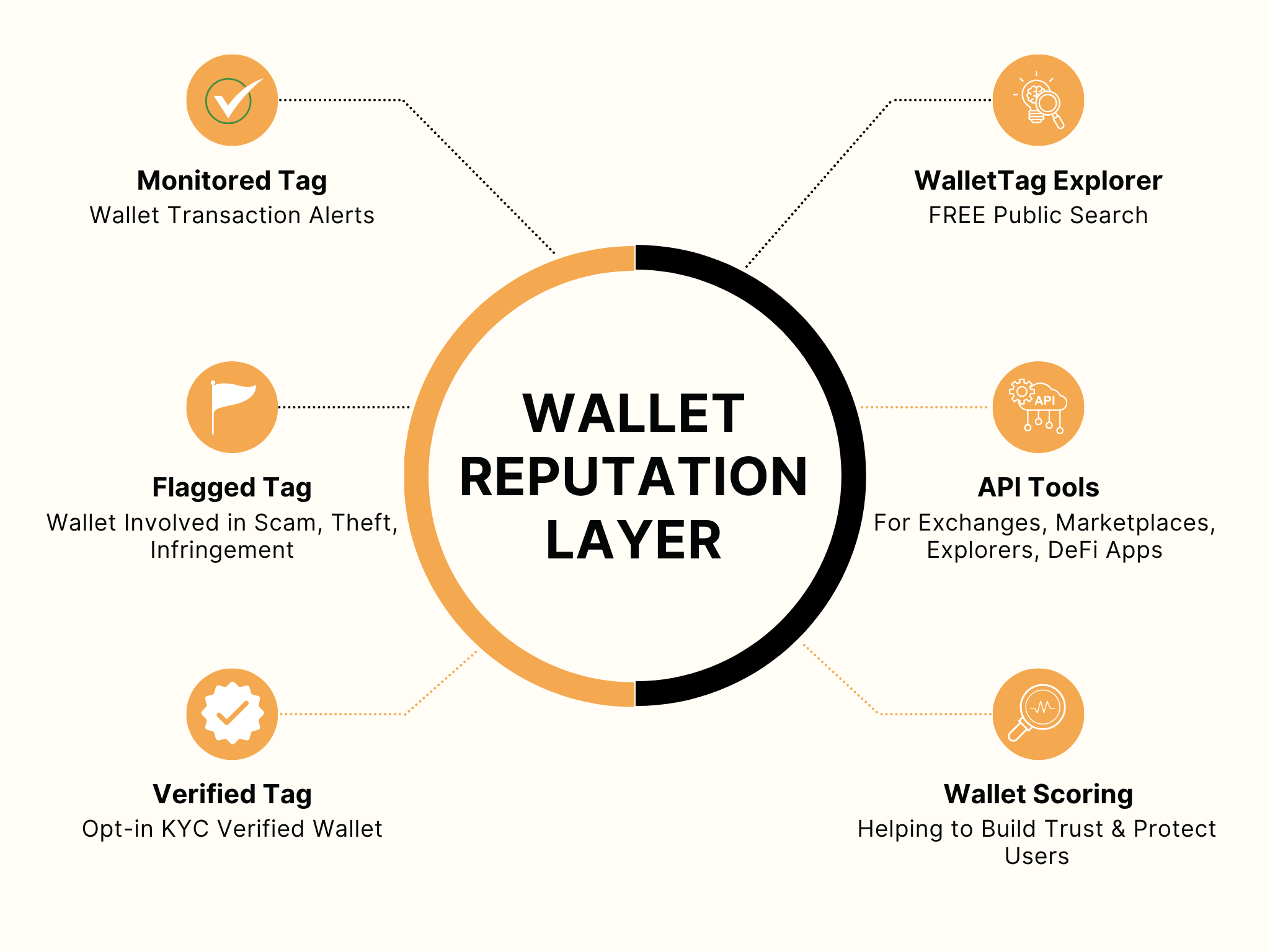
Your transaction history is the most significant factor. Scoring engines look for consistency, volume, and diversity. A wallet that only engages in one type of activity, such as swapping tokens on a single decentralized exchange, will score lower than one that interacts with multiple protocols, including lending platforms, NFT marketplaces, and governance tools. The system penalizes wallets with a history of interacting with sanctioned addresses or high-risk DeFi protocols.
Not all addresses are created equal. Your score improves when you transact with "known" or "verified" entities. This includes interacting with established smart contracts, reputable exchanges, or other wallets that already have high reputation scores. This process, often called "social graph analysis," helps the algorithm distinguish between organic, legitimate activity and coordinated manipulation or wash trading.
Longevity matters. A wallet that has been active for several years without significant gaps or suspicious behavior demonstrates stability. New wallets are inherently riskier because there is less historical data to verify intent. Scoring models apply a time-decay factor, meaning older, consistent transactions carry more weight than recent ones. This prevents bad actors from creating new wallets to "farm" a high reputation score quickly.
Once these inputs are gathered, the scoring engine applies a weighted formula. While the exact weights vary by platform, the general principle remains consistent: more diverse, older, and cleaner transactions lead to a higher score. For example, Formo’s approach emphasizes data-driven segmentation, while others like Nomis focus heavily on identity verification layers.
To see how your specific wallet performs, you can run a free audit using any of the major providers. These tools provide a breakdown of your score, highlighting which behaviors are helping or hurting your reputation. Regular monitoring allows you to address issues, such as cleaning up dust transactions or avoiding risky interactions, before they impact your standing in the Web3 ecosystem.
Compare top reputation scoring tools
Choosing a reputation provider is less about picking the highest number and more about matching data depth to your compliance needs. A score from Nomis might satisfy a basic KYC requirement, while a DeFi protocol needing granular transaction history may require the depth offered by RubyScore or ChainAware.
The following table breaks down the core differences between three major infrastructure providers. Use this to filter candidates before requesting API documentation or sandbox access.
| Provider | Primary Focus | Data Depth | Integration Ease |
|---|---|---|---|
| Nomis | Institutional compliance | High (on-chain + off-chain) | API-first, enterprise SDK |
| RubyScore | Retail & DeFi scoring | Medium (behavioral + holdings) | Plug-and-play widgets |
| ChainAware | Real-time risk monitoring | High (live transaction tracking) | Webhook-based alerts |
Nomis is often the go-to for regulated entities because it aggregates both on-chain activity and traditional identity data, creating a composite view that aligns with standard AML frameworks. Its API is designed for high-volume queries, making it suitable for exchanges or custodians that need to screen thousands of wallets daily.
RubyScore takes a different approach by focusing on behavioral patterns. It assigns scores based on how a wallet interacts with dApps, holds assets, and participates in governance. This makes it ideal for platforms wanting to gamify user engagement or offer tiered access to DeFi yields based on trustworthiness rather than just capital.
ChainAware specializes in real-time risk. Instead of a static score that might be days old, it monitors transactions as they happen, flagging interactions with sanctioned addresses or high-risk protocols instantly. If your use case involves preventing fraud in progress rather than post-hoc reporting, this real-time capability is a critical differentiator.


As an Amazon Associate, we may earn from qualifying purchases.
Fix low reputation score issues
A low wallet reputation score usually signals specific transactional red flags rather than a permanent ban. Most scoring engines, such as those powering Bitscrunch or Vezgo, penalize wallets for high-risk interactions, such as mixing services, sanctions violations, or excessive activity on unverified exchanges. To improve your standing, you must first identify the exact behavior triggering the penalty and then systematically clean up your on-chain history.
Identify the source of the penalty
Before attempting any fixes, you need to know which transactions are dragging your score down. Use a wallet analysis tool to review your transaction history. Look for interactions with known darknet markets, gambling sites, or high-risk mixing protocols. These are the most common reasons for a sudden drop in trustworthiness. Once you identify the specific addresses or protocols causing the issue, you can determine if the interaction was accidental or intentional.
Isolate and clean the wallet
If your wallet has been compromised or used for high-risk activities, the most effective way to restore reputation is to create a new, clean wallet. Transfer your assets from the "tainted" address to the new one. This effectively severs the visible link to the problematic transactions in future analyses. While the history remains on the blockchain, the active reputation of the new address starts fresh, allowing you to build trust from zero rather than trying to repair a damaged score.
Verify and monitor continuously
After moving your assets, verify the score of the new address. Monitor it over time to ensure no new risky interactions occur. Regularly check your wallet’s reputation using official scoring platforms to stay ahead of any potential issues. Consistent, clean transaction history is the only reliable way to maintain a high reputation score over the long term.
Check wallet trust before transacting
Before moving significant assets, treat the counterparty’s wallet address like a credit report. You are looking for historical behavior, not just current balance. A high balance does not equal trustworthiness; a history of clean interactions does.
Start with a dedicated reputation platform. Tools like CoInspect provide a Security Score from 0 to 100 based on specific security checklists. This score weighs the most critical checks heaviest, giving you an immediate signal of potential exposure. A low score here suggests the wallet may have been involved in exploits or lacks basic security hygiene.
Next, verify the transaction graph. Academic research on reputation scoring in cryptocurrency markets highlights that users with scores below a certain threshold are often linked to malicious activity. Look for connections to known darknet markets, mixer services, or sanctioned entities. If the wallet has never interacted with high-risk protocols, its risk profile is likely lower.
Finally, check for blacklist status. Some platforms automatically blacklist users identified as potential offenders based on aggregated data. If a wallet appears on a blacklist, proceed with extreme caution or avoid the transaction entirely. This step is non-negotiable for high-stakes compliance.
By combining security scores, graph analysis, and blacklist checks, you build a composite view of the counterparty. This process turns abstract trust into verifiable data, protecting your organization from regulatory and financial fallout.
Common questions about reputation scores
Users often ask how to interpret these metrics in practice. Below are the most frequent questions about Wallet Reputation Scores guide implementation and verification.
No comments yet. Be the first to share your thoughts!