What a wallet reputation score means
A wallet reputation score is a numerical metric that evaluates the trustworthiness and engagement of a blockchain address. Unlike basic security checks that flag known malicious contracts or phishing links, a reputation score analyzes behavioral patterns over time. It treats your wallet like a credit file, generating a score—typically on a 0–100 scale—based on transaction history, asset diversity, and interaction with verified protocols.
This distinction matters for high-stakes interactions. When you interact with a new DeFi protocol or a high-value marketplace, a strong reputation score signals that you are a legitimate user rather than a bot or a sanctioned entity. Providers like Formo and Vezgo aggregate data to create these profiles, turning opaque on-chain activity into a readable risk signal.
A score of 80 or higher is generally considered excellent, indicating consistent, clean activity. A low score does not necessarily mean your wallet is compromised; it often just means it is new, inactive, or has a history of interacting with unverified smart contracts. Understanding this metric helps you anticipate friction when entering regulated or high-compliance Web3 environments.
How to check your current wallet score
To assess your on-chain reputation, you need to run your wallet address through established scoring infrastructure. These platforms aggregate transaction history, interaction patterns, and risk signals to generate a numerical profile, typically ranging from 0 to 100. A score of 80 or higher is generally considered excellent, indicating a low-risk, high-trust behavioral profile.
The process is straightforward: select a provider, paste your public address, and review the resulting breakdown. Below are the steps to check your score using three major infrastructure providers.
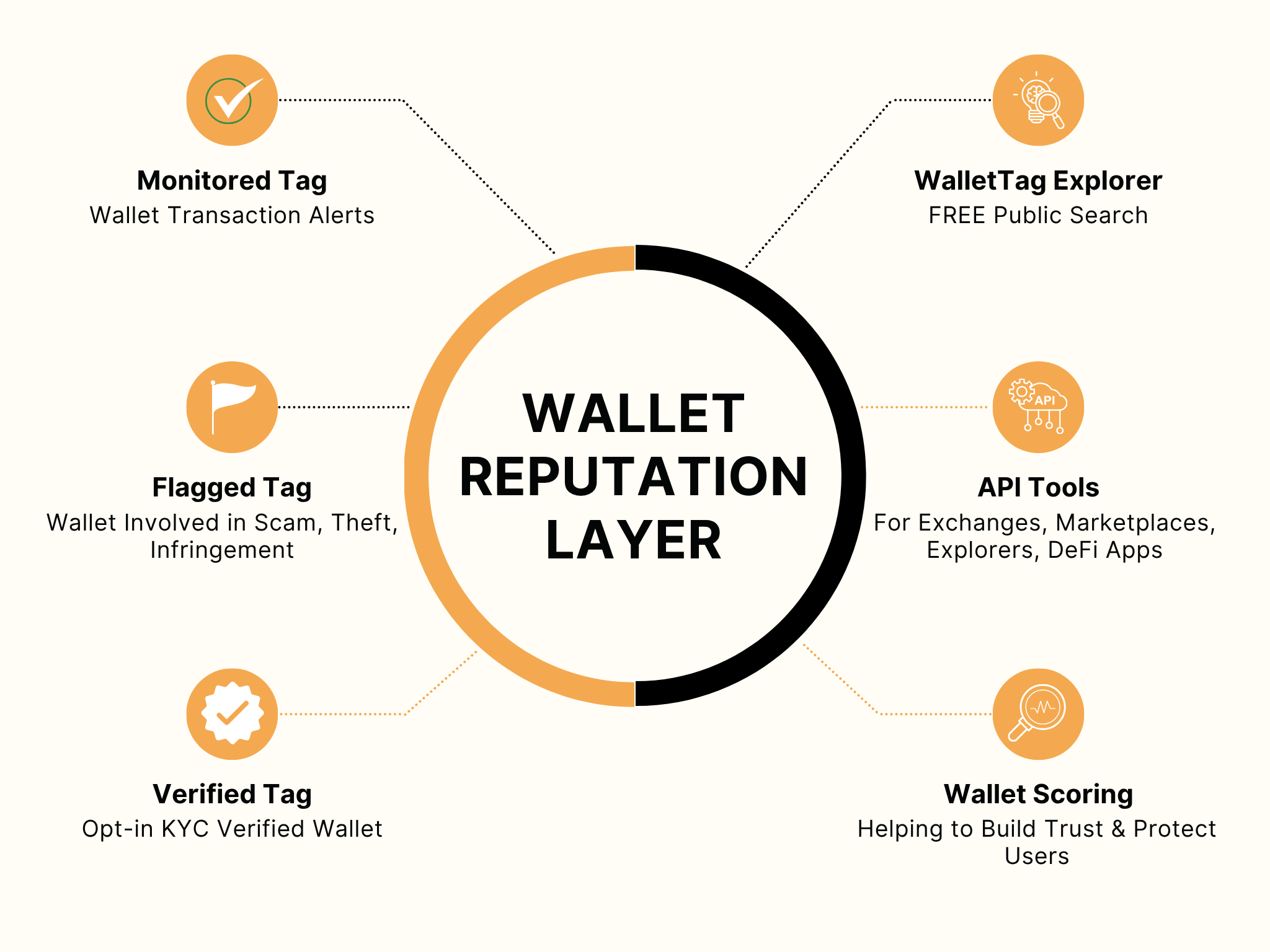
Navigate to the Formo platform and locate the wallet scoring tool. Enter your public address to retrieve a data-driven ranking that evaluates trustworthiness, engagement, and long-term value. This score is particularly useful for identifying high-value users and segmenting them for compliance or partnership purposes.
Visit ChainAware and use their Wallet Auditor to generate a complete behavioral reputation profile. This tool focuses heavily on risk signals, fraud detection, and experience level. It provides a detailed breakdown of your wallet's security posture, helping you identify potential vulnerabilities before interacting with new protocols.
Access CoinInspect’s wallet security ranking to check your score against four distinct security checklists. The platform weights critical checks more heavily, meaning that severe risk signals will disproportionately lower your score. This method is ideal for verifying that your wallet meets specific security standards required by regulated entities.
Each provider uses slightly different algorithms, so your score may vary slightly between platforms. For the most accurate assessment, check with at least two providers, especially if you are preparing for a high-stakes transaction or institutional onboarding.
Which tools rank wallets accurately
Selecting a wallet reputation provider depends on your primary use case: regulatory compliance or airdrop eligibility. The market leaders—Nomis, RubyScore, ChainAware, and Formo—approach scoring differently. Nomis relies on historical on-chain behavior to assign a risk score, making it a standard for institutional compliance. RubyScore focuses on cross-chain activity and governance participation, often favored for airdrop qualification. ChainAware provides a granular behavioral profile, detailing risk signals and fraud indicators. Formo uses a data-driven standard to segment users based on engagement and long-term value.
Comparison of Leading Providers
| Provider | Primary Use Case | Data Focus | Risk Assessment |
|---|---|---|---|
| Nomis | Compliance | Historical on-chain behavior | High |
| RubyScore | Airdrops | Cross-chain activity & governance | Medium |
| ChainAware | Fraud Detection | Behavioral profile & risk signals | High |
| Formo | Segmentation | Engagement & long-term value | Medium |
Choosing the right tool requires matching these capabilities to your specific needs. For high-stakes compliance, prioritize providers with deep historical data and rigorous risk assessment. For airdrop hunting, focus on tools that capture diverse cross-chain interactions. Always verify the provider's data sources to ensure they align with your operational standards.
Essential Security Tools
To maintain a strong wallet reputation, you need reliable tools for monitoring and securing your on-chain identity. The following products are recommended for their effectiveness in protecting your digital assets and data.



As an Amazon Associate, we may earn from qualifying purchases.
Strategies to improve your on-chain reputation
Your wallet’s reputation score is a behavioral profile built from transaction history and network connections. It acts as a risk signal, not a legal verdict, but it directly influences your ability to interact with compliant services. To improve your score, you must actively diversify your activity and avoid interactions that trigger high-risk flags. This process is about cleaning up your digital footprint to demonstrate legitimate use.
Start by auditing your transaction history. Identify any interactions with known high-risk entities, such as mixers, sanctions-listed addresses, or gambling platforms. Even a single transaction with such an entity can severely penalize your score. If you have received funds from a tainted source, consider moving them to a new, clean wallet address to isolate the risk, rather than mixing them with your primary funds.
Next, focus on diversification. A wallet that only interacts with one type of service or exchange appears monolithic and potentially suspicious. Spread your activity across multiple reputable decentralized exchanges (DEXs), lending protocols, and stablecoin transfers. This variety signals that you are an active, organic participant in the ecosystem rather than a bot or a money launderer. Consistency matters more than volume; regular, small transactions are often viewed more favorably than sporadic, large transfers.
Finally, maintain a clean communication record. If you use on-chain messaging or signature-based interactions, ensure you are only signing transactions from verified contracts. Rejection of unknown or unverified contract signatures prevents your wallet from being associated with phishing or exploit attempts. By keeping your interactions transparent and your connections limited to trusted entities, you build a reputation that is both robust and defensible.
Common questions about wallet reputation scores
Wallet scoring systems vary, but the underlying logic remains consistent: they evaluate behavioral profiles rather than issuing legal verdicts. Understanding how these risk signals work helps you interpret your on-chain identity accurately.
No comments yet. Be the first to share your thoughts!