Define your scoring criteria
Before you start analyzing a wallet, you need to decide what kind of score you are actually looking for. "Reputation" is a broad term that can mask very different underlying risks. In the legal and regulatory space, conflating these metrics can lead to compliance gaps. You generally need to choose between a security score, a risk score, or an engagement score.
A security score measures the technical robustness of the wallet itself. It looks at how well the wallet protects private keys, its history of hacks, and its code quality. A high security score means the wallet is hard to break into. However, a technically secure wallet can still be used for illicit activities. This is why security alone is rarely enough for regulatory due diligence.
A risk score evaluates the behavior associated with the wallet address. It analyzes transaction patterns, links to known bad actors, and exposure to high-risk entities like mixers or sanctioned addresses. This is the primary metric for anti-money laundering (AML) compliance. It tells you how "dirty" the money flowing through the wallet might be, regardless of how secure the wallet software is.
An engagement score is less relevant for strict compliance but useful for market analysis. It measures how active and trusted the wallet is within the community. For regulatory purposes, you should focus primarily on risk scoring, as it directly addresses the legal exposure of interacting with a specific entity.
Vezgo defines wallet risk scoring as the process of evaluating the risk associated with a crypto wallet address by identifying its transaction patterns and links to known risky entities [Vezgo]. Coinspect, on the other hand, focuses on the Security Score, which ranges from 0 to 100 based on technical checklists [Coinspect]. Understanding this distinction is the first step in building a defensible reputation assessment.
Run a wallet risk assessment
Evaluating a wallet’s reputation score requires moving beyond surface-level activity to examine transaction patterns and entity associations. A wallet score typically ranges from 0 to 100, measuring how engaged and valuable a blockchain wallet is based on its history. To assess risk accurately, you need a structured workflow that combines on-chain data with screening tools.
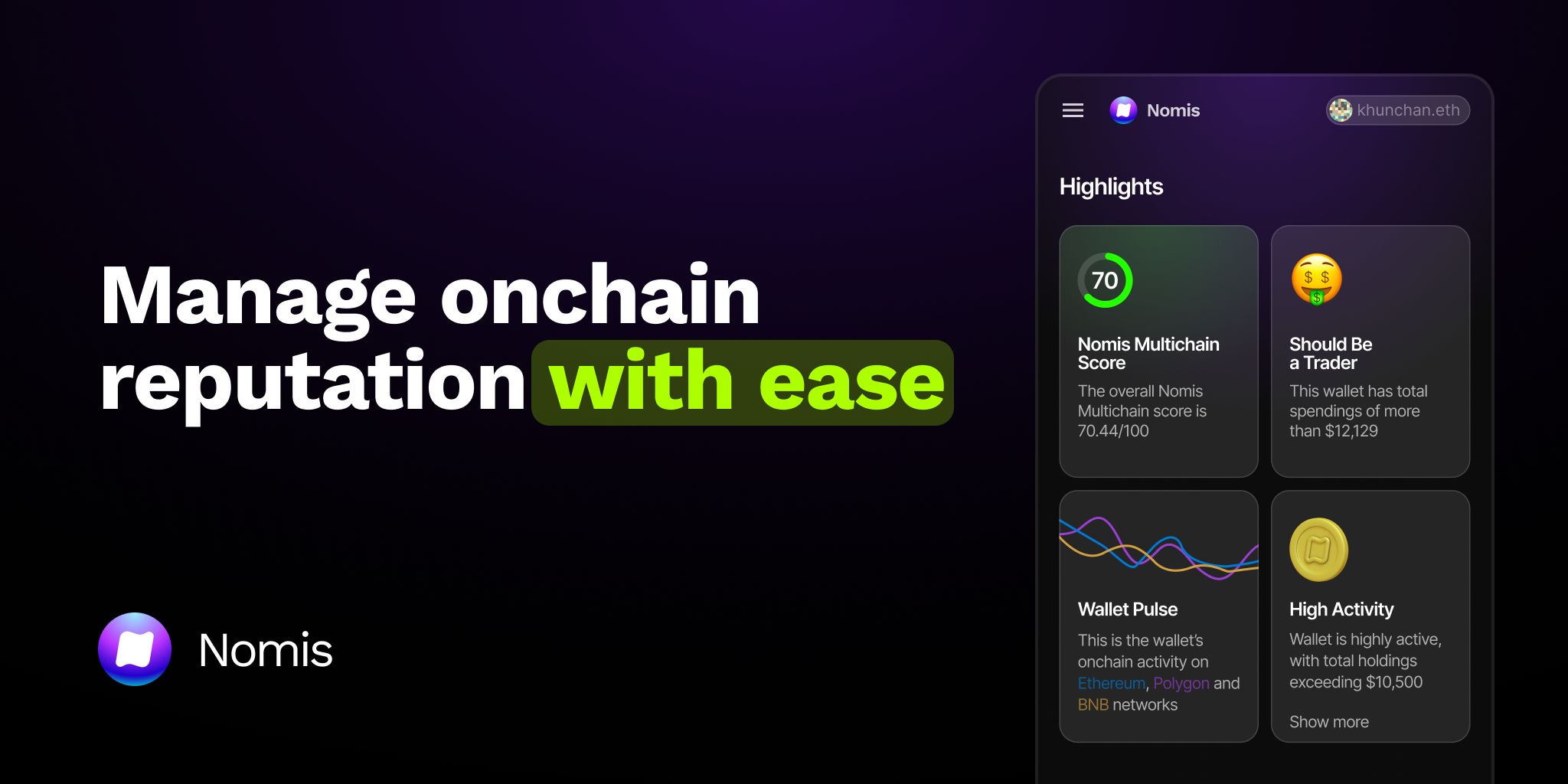
Start by gathering the wallet’s full transaction history. Look for volume, frequency, and the types of smart contracts interacted with. High-volume interactions with decentralized exchanges or liquidity pools often indicate active participation, while sporadic, high-value transfers may signal different risk profiles. This data forms the baseline for understanding the wallet’s behavior.
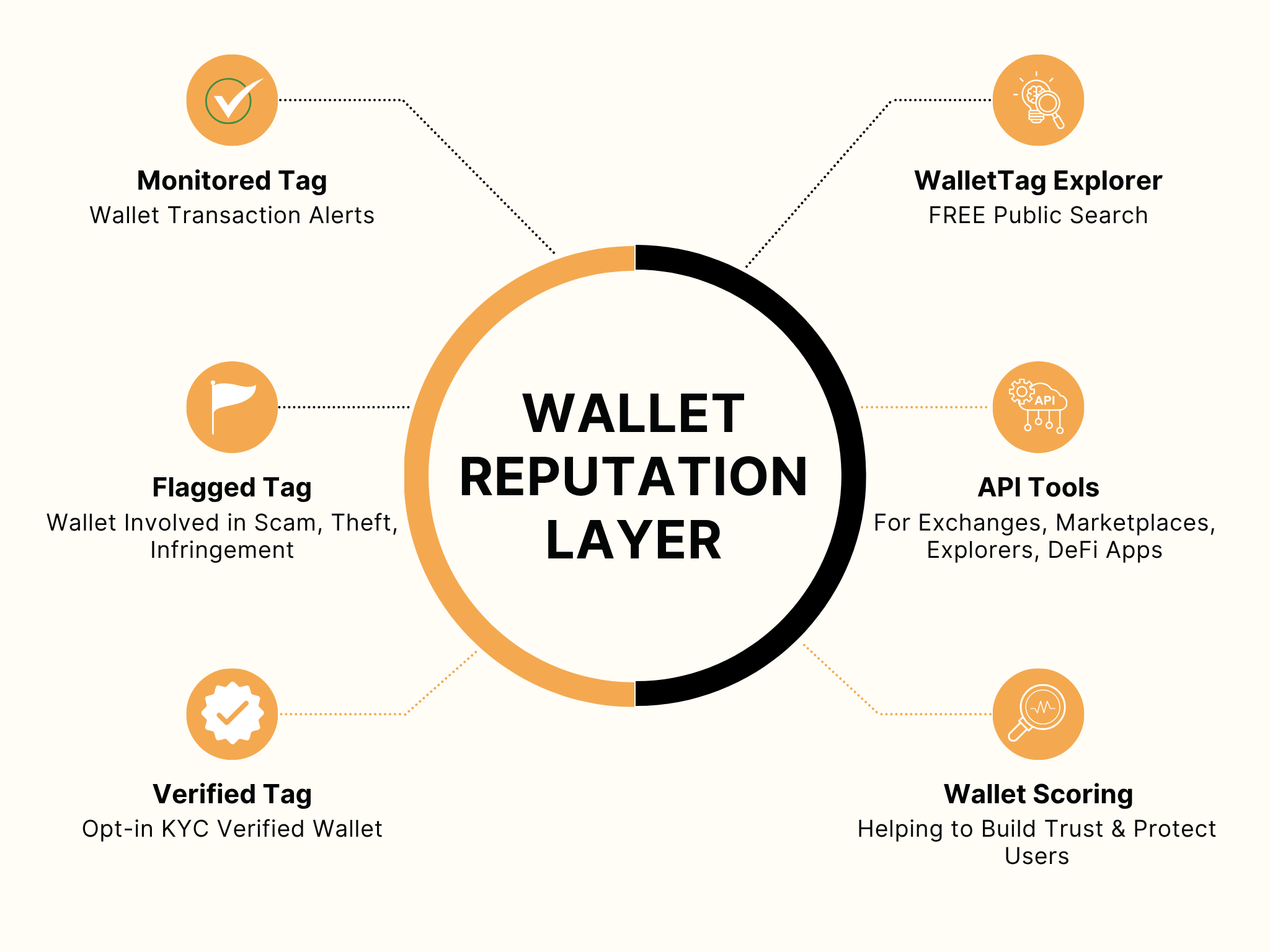
Next, map the wallet’s connections to known entities. Risk scoring evaluates the risk associated with a crypto wallet address by identifying its transaction patterns and links to flagged entities such as mixers, darknet markets, or sanctioned addresses. Tools that cluster addresses can reveal hidden relationships, helping you determine if the wallet is indirectly connected to high-risk activities.
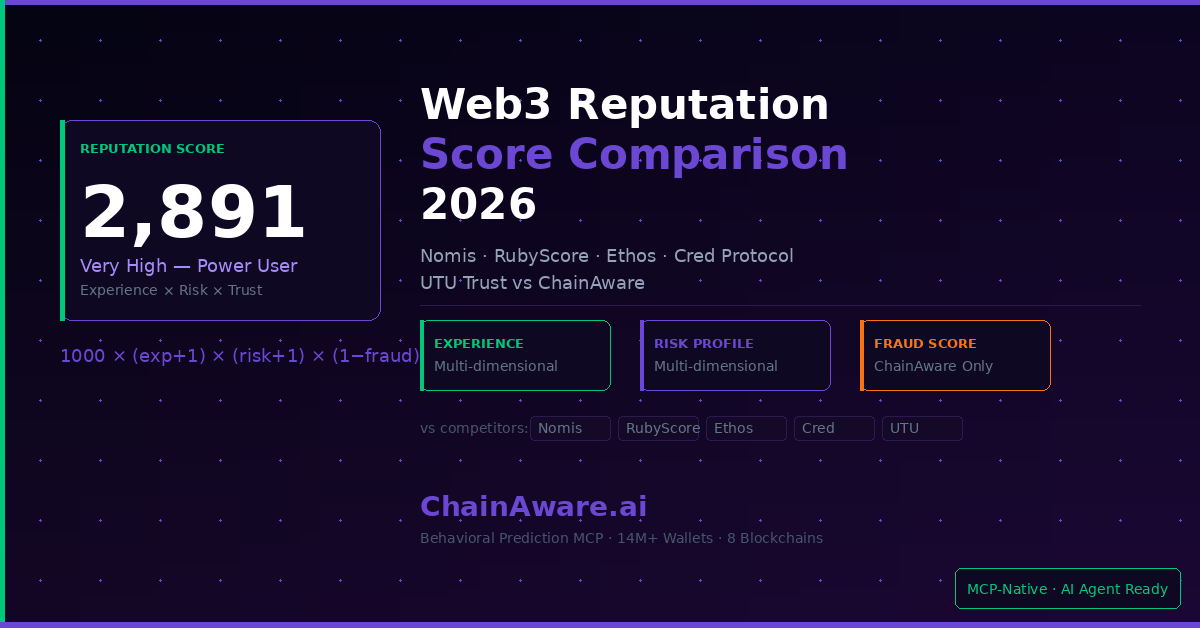
Use specialized screening tools to check the wallet against global watchlists and internal blacklists. These databases assign risk scores based on activity, connections, and any associations with flagged entities. Real-time monitoring capabilities ensure that any recent changes in the wallet’s status are captured, providing a current snapshot of its reputation.
Finally, combine the on-chain metrics, entity links, and screening results into a composite score. This score should reflect the overall risk level, balancing positive engagement indicators against negative associations. A high score suggests a reputable, low-risk wallet, while a low score warrants further investigation or avoidance in sensitive transactions.
This workflow ensures a comprehensive evaluation, reducing the likelihood of overlooking subtle risk factors. By following these steps, you can make informed decisions based on data rather than assumptions.
Compare screening tools and APIs
Choosing the right wallet reputation provider depends on your specific risk tolerance and integration needs. Different platforms prioritize different data points, from transaction history to address associations. Use the comparison below to identify which infrastructure aligns with your compliance workflow.
| Provider | Primary Focus | Integration Type | Score Range |
|---|---|---|---|
| Formo | User engagement and value | API and SDK | 0-100 |
| Coinspect | Security and checklists | API | 0-100 |
| Vezgo | Risk and transaction patterns | API | Custom |
Formo emphasizes data-driven segmentation, creating scores based on how engaged and valuable a wallet is within the ecosystem. This approach is ideal for platforms prioritizing user quality and retention metrics alongside risk. Their API offers a straightforward 0-100 scale that is easy to interpret for both technical and non-technical stakeholders.
Coinspect focuses heavily on security checklists, evaluating wallets against four distinct security criteria. The most critical checks have the highest impact on the final score. This makes Coinspect a strong choice for compliance teams that need to verify specific security hygiene practices rather than general engagement.
Vezgo evaluates risk by analyzing transaction patterns and links to known entities. This provider is suited for organizations that need to identify potential illicit activity through behavioral analysis. Their custom scoring allows for more granular control over risk thresholds, though it may require more initial configuration.


As an Amazon Associate, we may earn from qualifying purchases.
Avoid common scoring mistakes
Reputation scores are decision aids, not verdicts. Interpreting them requires understanding their limitations. Misreading a score can lead to false positives or security gaps. This section highlights the most frequent pitfalls and how to avoid them.
Mistake 1: Treating a single score as absolute truth
A reputation score is a snapshot of behavior, not a permanent character judgment. Wallets can change their activity patterns. A score that looks safe today might shift tomorrow. Do not rely on a single data point to make high-stakes decisions. Instead, look at the trend over time. A consistent pattern is more reliable than a one-off event.
Mistake 2: Ignoring the context of connections
Wallets often interact with many other addresses. A connection to a flagged entity does not automatically mean your wallet is guilty. The score might reflect indirect exposure, such as using a compromised exchange or a mixer. Understand the depth of these connections. A score of 100 does not mean zero risk; it often means the system has insufficient data to assess risk accurately.
Mistake 3: Overlooking the scoring methodology
Different providers use different algorithms. One platform might weight transaction frequency heavily, while another focuses on entity associations. Comparing scores across platforms without understanding their methodologies is like comparing apples to oranges. Always check the provider’s documentation. Know what factors influence the score. This knowledge helps you interpret anomalies correctly.
Mistake 4: Failing to verify with multiple sources
No single source has a complete picture. Aggregating data from multiple reputable providers reduces blind spots. If one provider flags a wallet, check if others agree. Consistency across sources increases confidence. Discrepancies should trigger further investigation, not immediate rejection. This approach minimizes the risk of acting on incomplete or biased data.
Mistake 5: Assuming a high score means total safety
A high reputation score indicates low observed risk, not immunity from threats. Wallets can still be targeted by phishing, smart contract exploits, or key compromise. The score reflects historical behavior, not future security. Maintain good security hygiene regardless of the score. Treat the score as one layer of defense, not the entire shield.
Build a compliance checklist
Before integrating wallet reputation scores into your workflow, validate that your scoring model meets regulatory standards. This checklist ensures your strategy aligns with industry best practices and minimizes risk.
-
Define Risk Thresholds: Establish clear criteria for what constitutes a high-risk wallet. Assign risk scores based on activity, connections, and associations with flagged entities, as recommended by TRM Labs.
-
Implement Real-Time Monitoring: Set up continuous monitoring to detect suspicious activity in real-time. This allows for immediate response to potential threats.
-
Document Scoring Logic: Ensure your scoring methodology is transparent and auditable. Keep records of how scores are calculated and updated.
-
Regular Audits: Conduct periodic audits of your reputation scoring system to identify and address any gaps or inaccuracies.
-
Staff Training: Train your team on the importance of wallet reputation scores and how to interpret them correctly.
By following this checklist, you can build a robust compliance framework that protects your business and meets regulatory requirements.
Frequently asked questions about wallet reputation scores
Wallet reputation scores are numerical values, typically ranging from 0 to 100, that measure how engaged and valuable a blockchain wallet is based on its transaction history and patterns (Formo). These scores help compliance teams quickly segment users and assess risk without manual review.
Wallet risk scoring evaluates the potential danger associated with a specific crypto wallet address. It identifies transaction patterns, links to known bad actors, and other indicators of illicit activity (Vezgo). This process is essential for preventing fraud and ensuring regulatory adherence.
A high reputation score generally indicates a wallet with a clean history, consistent activity, and positive interactions with reputable services. Conversely, a low score may signal involvement in high-risk activities or a lack of established history.
While wallet scores provide valuable insights, they are not infallible. They should be used as part of a broader risk assessment strategy, including manual reviews and additional due diligence, especially for high-value transactions.
No comments yet. Be the first to share your thoughts!