What changed in 2026 wallet scoring
If you’ve been tracking wallet reputation scores guide metrics for a while, the landscape feels different this year. The industry has moved past simple security checks and basic transaction history. In 2026, reputation scoring is no longer just about whether a wallet has been hacked; it’s about whether a wallet is compliant with evolving EVM standards.
The shift is driven by new regulatory frameworks that require on-chain activity to be weighed against real-world legal exposure. Scores now factor in regulatory exposure alongside transaction patterns. This means a wallet with a clean security record but links to sanctioned addresses or high-risk mixers will see its reputation plummet, regardless of its technical safety.
Providers like Nomis and RubyScore have updated their algorithms to reflect this reality. They are synthesizing behavioral intelligence from multiple on-chain parameters to create a holistic view of wallet quality. This approach helps DeFi protocols and institutional players filter out risk more effectively than ever before.
The result is a more nuanced scoring system that rewards transparency and penalizes opacity. As EVM standards mature, these scores are becoming the de facto standard for trust in decentralized finance. Understanding this shift is essential for anyone serious about managing digital assets in a regulated environment.
Comparing top reputation models
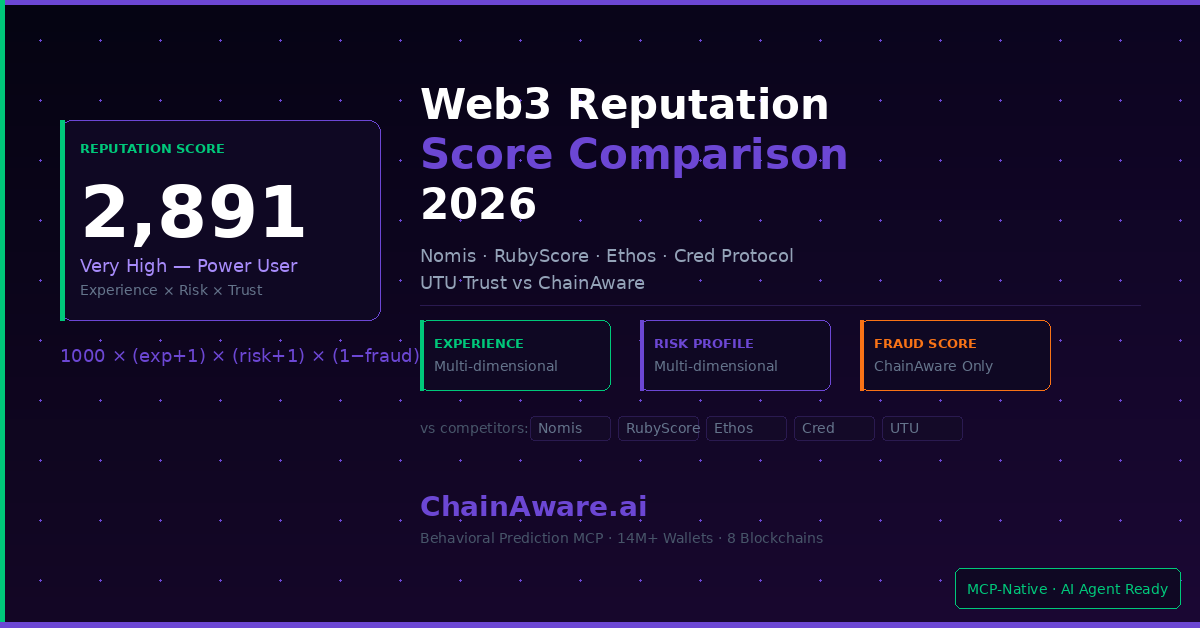
Choosing the right wallet reputation infrastructure requires matching a provider’s methodology to your specific risk profile. A score that flags high-risk exchanges is useless if you are trying to verify human identity for airdrops. We compare Nomis, RubyScore, ChainAware, and Coinspect to help you select the correct tool for your DeFi strategy.
| Provider | Primary Focus | Methodology | Best For |
|---|---|---|---|
| Nomis | Identity & Compliance | Combines on-chain history with off-chain identity verification (e.g., World ID) to create a KYC-adjacent score. | Regulated DeFi, AML compliance, and high-value institutional access. |
| RubyScore | Behavioral Intelligence | Analyzes transaction patterns, gas usage, and interaction frequency to assign a trust score based on user behavior. | Airdrop farming, Sybil resistance, and community governance. |
| ChainAware | Risk & Security | Aggregates data from known bad actors, darknet markets, and sanctioned entities to flag dangerous wallets. | Security audits, fund custodianship, and compliance screening. |
| Coinspect | Security Hygiene | Evaluates wallet security practices, such as multi-sig usage and interaction with unverified contracts. | Personal wallet health checks and basic security monitoring. |
The distinction between these models is not just technical; it is legal. Nomis, for instance, leans heavily into identity verification, making it the standard for projects that need to prove a user is a unique human rather than a bot. Their approach bridges the gap between pseudonymous crypto activity and real-world identity, which is increasingly required for institutional-grade DeFi participation. If your strategy involves accessing regulated protocols or navigating evolving compliance frameworks, this identity layer is non-negotiable.
In contrast, RubyScore and ChainAware operate in the behavioral and security domains. RubyScore looks at how a wallet behaves—its age, consistency, and interaction quality—to determine if it is a "good" actor. ChainAware is more defensive, acting as a filter against illicit funds. For most DeFi users, a combination of these approaches is ideal: use a behavioral score to ensure eligibility for rewards and a security score to protect against interacting with compromised addresses.
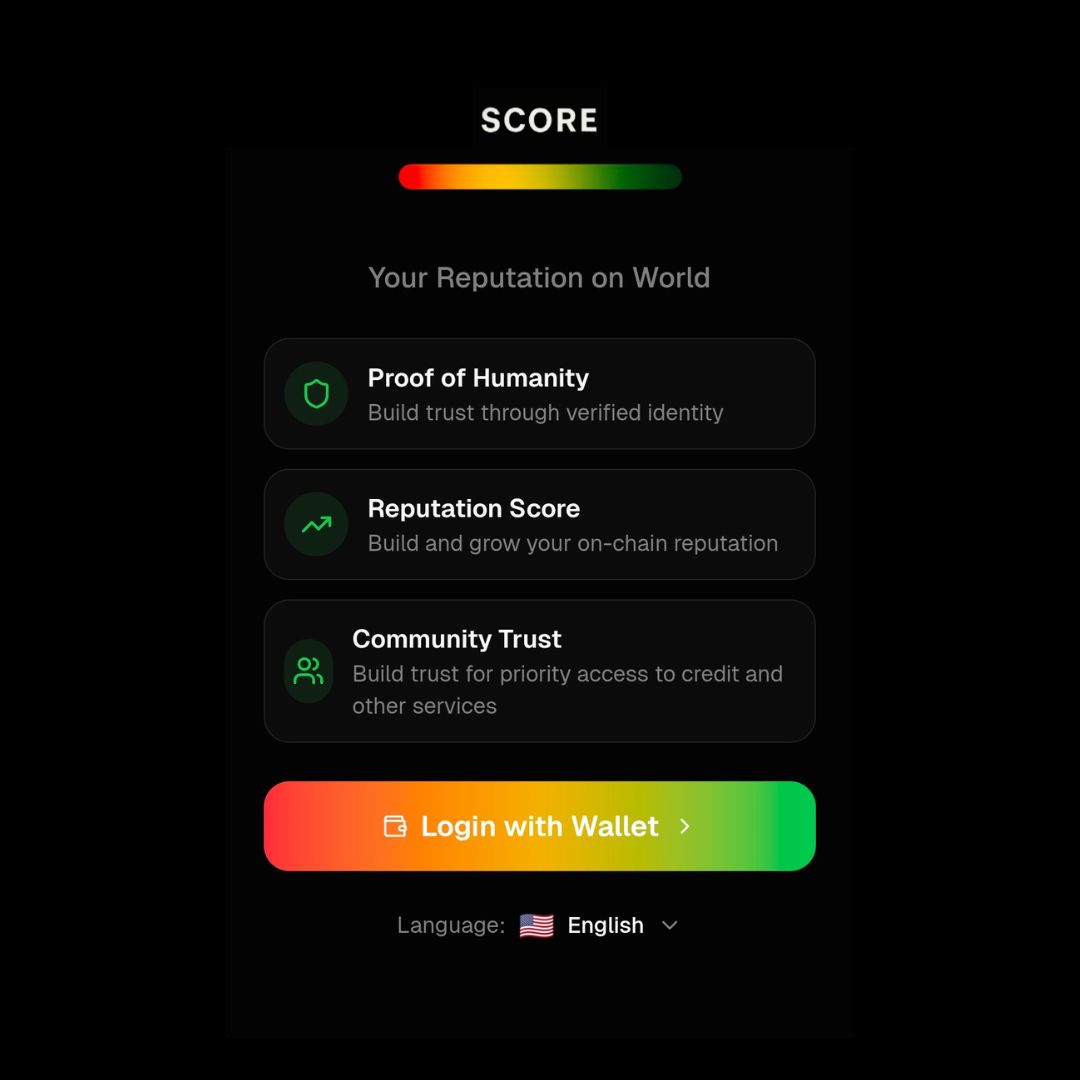
Market context for reputation scores
The demand for wallet reputation scores is directly correlated with the volatility and regulatory scrutiny of the broader market. As institutional capital enters DeFi, the need for verifiable trust scores increases. The following chart illustrates the market sentiment and volume trends that often drive the adoption of these reputation tools.
When the market is bullish, the volume of new wallet creations spikes, leading to a surge in Sybil attacks and fraud. This is when reputation scores become critical infrastructure rather than optional features. Protocols that integrate these scores during high-volume periods can maintain integrity and prevent their reward systems from being drained by bad actors. Conversely, in bear markets, the focus shifts to security and risk mitigation, making ChainAware-style scores more valuable for protecting existing holdings.
How EVM Compliance Shapes Your Reputation Score
Your wallet reputation score is not just a reflection of your transaction history; it is a direct measure of how well your address adheres to evolving EVM compliance standards. In the current regulatory landscape, compliance is not optional. It is the foundation of trust. When you interact with decentralized finance (DeFi) protocols or centralized exchanges, the systems evaluating your wallet are increasingly looking for specific signals of compliance. These signals determine whether your wallet is seen as a trusted participant or a high-risk entity.
One of the most significant factors influencing your score is adherence to the "Travel Rule." Originally designed for traditional financial institutions, this rule requires the transfer of specific sender and receiver information for transactions above a certain threshold. On the EVM, this translates to transparent and verifiable transaction metadata. Wallets that consistently obscure their origins or interact with mixers without proper justification often see their reputation scores drop. Conversely, wallets that maintain clear, auditable trails of compliance-friendly activity are rewarded with higher scores. This does not mean you need to reveal your identity to the world, but it does mean that your interactions should not be designed to evade regulatory scrutiny.
Sanction screening is another critical component. Your wallet's reputation is heavily impacted by its proximity to addresses flagged by entities like OFAC or other regulatory bodies. If your wallet frequently interacts with sanctioned addresses, even inadvertently, your score will plummet. This is because compliance systems view such interactions as a failure to conduct proper due diligence. To maintain a healthy reputation score, it is essential to use tools that screen your transaction counterparts before you sign off on a trade. This proactive approach demonstrates to compliance algorithms that you are a responsible actor in the DeFi ecosystem.
The impact of these standards is visible in the way DeFi protocols are adjusting their access controls. Many platforms are now integrating reputation score checks into their smart contracts. A low score can mean denied access to liquidity pools or higher fees. This creates a strong incentive for users to prioritize compliance. By understanding how EVM standards influence your score, you can take steps to protect your access to the broader crypto economy. This includes avoiding high-risk addresses, maintaining transparent transaction histories, and staying informed about the latest regulatory guidelines.
Adjust your DeFi strategy using reputation scores
A Wallet Reputation Scores guide is most useful when you treat it as a risk filter before committing capital. In DeFi, counterparties are often anonymous, which makes traditional due diligence impossible. Reputation scores solve this by aggregating on-chain behavior into a single metric, allowing you to distinguish between legitimate users and high-risk actors.
Think of these scores like a credit report for blockchain addresses. Just as you wouldn’t lend money to someone with a history of defaults, you shouldn’t interact with smart contracts or liquidity pools tied to wallets that show signs of malicious activity or instability.
Before interacting with a new protocol or provider, check their primary wallet address. Look for a history of consistent, legitimate transactions rather than sudden spikes in volume or interactions with known mixer services. A clean history suggests stability.
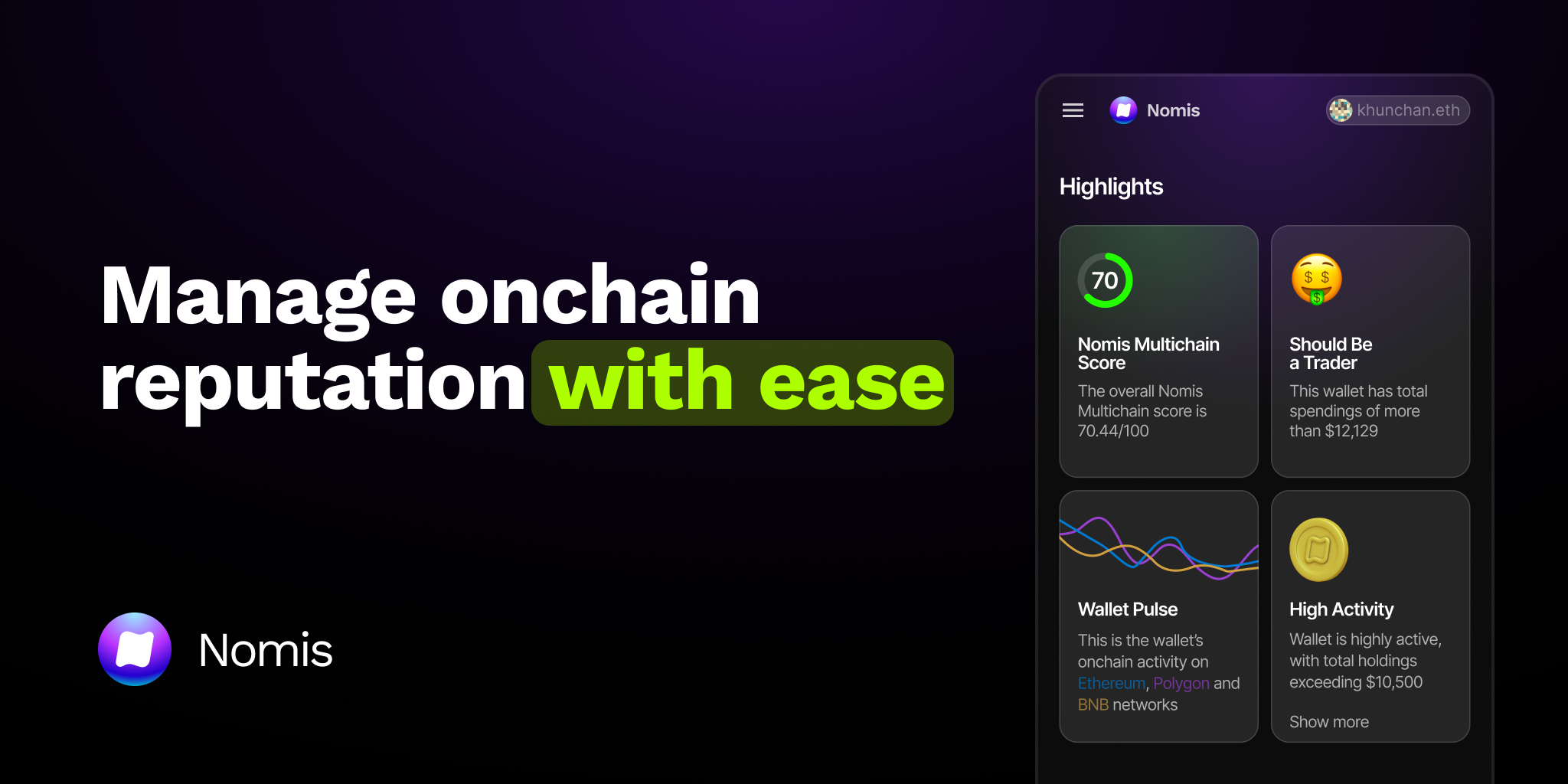
Identify wallets with low reputation scores, which often indicate involvement in hacks, scams, or high-frequency trading bots. Avoid providing liquidity to pools managed by these addresses, as they may drain funds or manipulate prices. This step is critical for avoiding high-risk counterparties.
Once you’ve filtered out risky actors, direct your capital toward protocols with high reputation scores. These platforms typically have audited code and transparent governance. Using a Wallet Reputation Scores guide helps you find these safe havens, ensuring your yield strategies are built on reliable foundations.
| Metric | High Score Behavior | Low Score Behavior |
|---|---|---|
| Transaction History | Consistent, organic volume | Sudden spikes or mixers |
| Counterparty Trust | Audited protocols | Unverified or flagged entities |
| Risk Level | Low (Safe to interact) | High (Avoid or limit) |
By integrating these scores into your workflow, you shift from guessing to verifying. This approach minimizes exposure to fraud and maximizes the reliability of your DeFi positions.
Common wallet safety: what to check next
When navigating DeFi, a Wallet Reputation Score acts as your primary shield against illicit activity and smart contract risks. Unlike traditional finance, blockchain transactions are irreversible, making pre-transaction due diligence non-negotiable. Understanding what constitutes a "good" wallet and how to verify its safety is essential for protecting your capital.
How to tell if a wallet is good quality?
In the context of Web3, "quality" refers to the wallet's reputation and compliance history rather than its physical build. A high-quality wallet has a clean transaction history, avoiding interactions with sanctioned addresses, mixers, or high-risk DeFi protocols. Tools like the Centic Reputation Score analyze these inter-dApp relationships to provide a clear risk profile, helping you distinguish between a legitimate user and a potential liability.
How to check if your wallet is safe?
Security breaches often leave subtle traces before significant funds are lost. Monitor your wallet for unfamiliar transactions, unexpected balance reductions, or login alerts from unknown devices. If you suspect compromise, immediately revoke all active smart contract allowances and transfer remaining assets to a new, secure address. Services like Scorechain provide free analytics to scan for these warning signs and identify potential threats in your transaction history.
No comments yet. Be the first to share your thoughts!