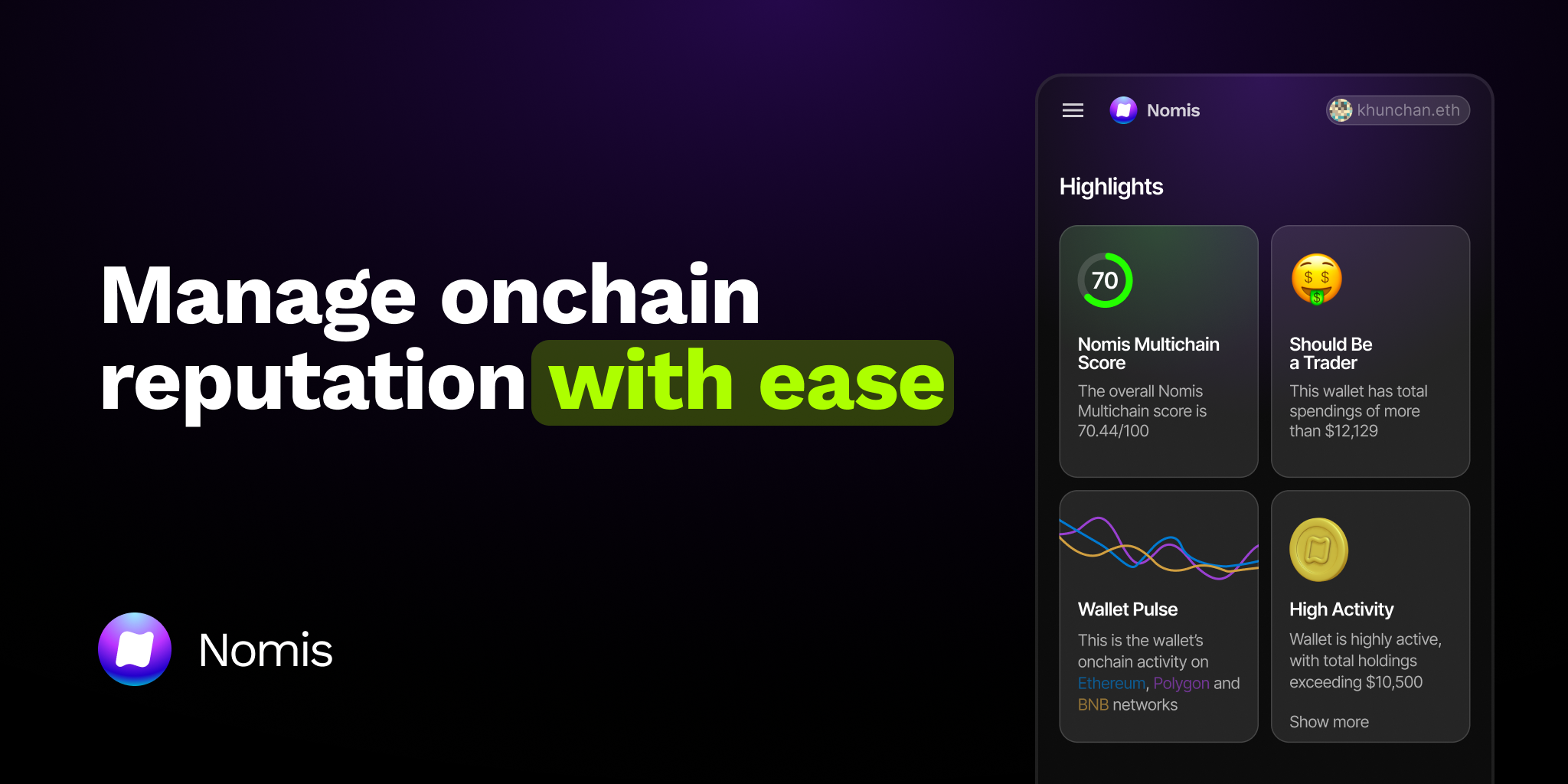
What defines a wallet reputation score
A wallet reputation score is a numerical metric, typically ranging from 0 to 100, that quantifies the trustworthiness and engagement value of a blockchain address. Unlike simple security checks that flag known malicious contracts or vulnerable code, a reputation score evaluates the wallet's behavioral history. It synthesizes on-chain activity, transaction patterns, and verified credentials to determine how valuable or risky an entity is within the Web3 ecosystem.
Think of this score as a digital credit report for crypto. Just as a financial credit score considers payment history, debt levels, and account age, a wallet reputation score weighs factors like transaction frequency, interaction with reputable protocols, and the longevity of the address. A high score suggests a user who follows regulatory norms and engages with legitimate platforms, while a low score may indicate erratic behavior or association with high-risk addresses.
This distinction is critical for compliance. Legal and regulatory frameworks are increasingly concerned with the source of funds and the intent behind transactions. By aggregating these behavioral signals into a single score, compliance teams can quickly segment users, applying stricter due diligence to low-scoring addresses while streamlining onboarding for high-scoring, reputable ones. This approach shifts compliance from reactive monitoring to proactive risk assessment.
| Feature | Security Check | Reputation Score |
|---|---|---|
| Primary Focus | Technical vulnerabilities & known malicious contracts | Behavioral patterns & trustworthiness |
| Data Sources | Blacklists, smart contract audits | On-chain history, verified credentials, interaction graphs |
| Output | Binary (Safe/Unsafe) | Numerical scale (0-100) |
| Use Case | Preventing hacks & exploits | KYC/AML screening & user segmentation |
How infrastructure drives compliance readiness
Wallet reputation scores function as the bridge between on-chain activity and off-chain regulatory requirements. For institutions, these scores are not merely marketing metrics; they are operational tools that automate the heavy lifting of Anti-Money Laundering (AML) and Know Your Customer (KYC) checks. By aggregating transaction history, counterparty links, and behavioral patterns, infrastructure providers deliver real-time risk assessments that allow platforms to onboard users without manual review bottlenecks.
The scoring methodology typically relies on a numerical scale, often ranging from 0 to 100, where lower scores indicate higher risk. Systems evaluate wallets against multiple checklists, prioritizing critical factors such as exposure to sanctioned addresses, mixing services, or suspicious transaction volumes. This granular analysis enables compliance teams to distinguish between high-value, low-risk institutional actors and entities requiring enhanced due diligence.
To understand the market environment where these compliance tools are essential, it helps to look at the asset they help secure. The volatility of the underlying crypto market drives the demand for robust risk management infrastructure, making real-time scoring a necessity rather than a luxury for modern exchanges and custodians.
The following comparison highlights how different infrastructure providers structure their risk assessments, focusing on the specific data points that feed into compliance decisions.
| Provider | Risk Focus | Scoring Output |
|---|---|---|
| Coinspect | Security posture & checklist compliance | 0-100 Security Score |
| Vezgo | Transaction patterns & counterparty links | Risk probability index |
| Formo | Engagement & verified credentials | Reputation tier (0-100) |
Top tools for tracking wallet reputation
Finding the right wallet reputation tool depends on whether you need to assess security hygiene, user engagement, or regulatory risk. The landscape is fragmented, with each platform prioritizing different data inputs and scoring methodologies. Below is a comparison of the leading options used by compliance teams and developers.
Coinspect
Coinspect focuses heavily on security hygiene rather than general reputation. Its Security Score ranges from 0 to 100 and is derived from four distinct wallet security checklists. The methodology weights critical checks more heavily, meaning a wallet with a known vulnerability or poor configuration will see a significant drop in score. This makes it ideal for teams prioritizing asset safety over user activity metrics.
Formo
Formo takes a data-driven approach to segmenting Web3 users. Its Wallet Score measures engagement and value based on onchain activity, behavioral patterns, and verified credentials. The score typically ranges from 0 to 100, helping platforms identify high-quality users for airdrops, loyalty programs, or tiered access. It is less about risk and more about user quality and retention potential.
bitsCrunch
bitsCrunch provides a Reputation Score based on onchain metrics to evaluate the trustworthiness of a wallet or its associated platform. The tool aggregates transaction history and network interactions to determine reliability. This approach is useful for platforms that need to screen users for potential money laundering or fraud based on their historical behavior on the blockchain.
Vezgo
Vezgo specializes in wallet risk scoring, evaluating the risk associated with a crypto wallet address by identifying transaction patterns and links to known bad actors. It integrates with existing compliance workflows to provide real-time risk assessments. This tool is best suited for financial institutions and exchanges that need to integrate risk scoring directly into their onboarding or transaction monitoring processes.
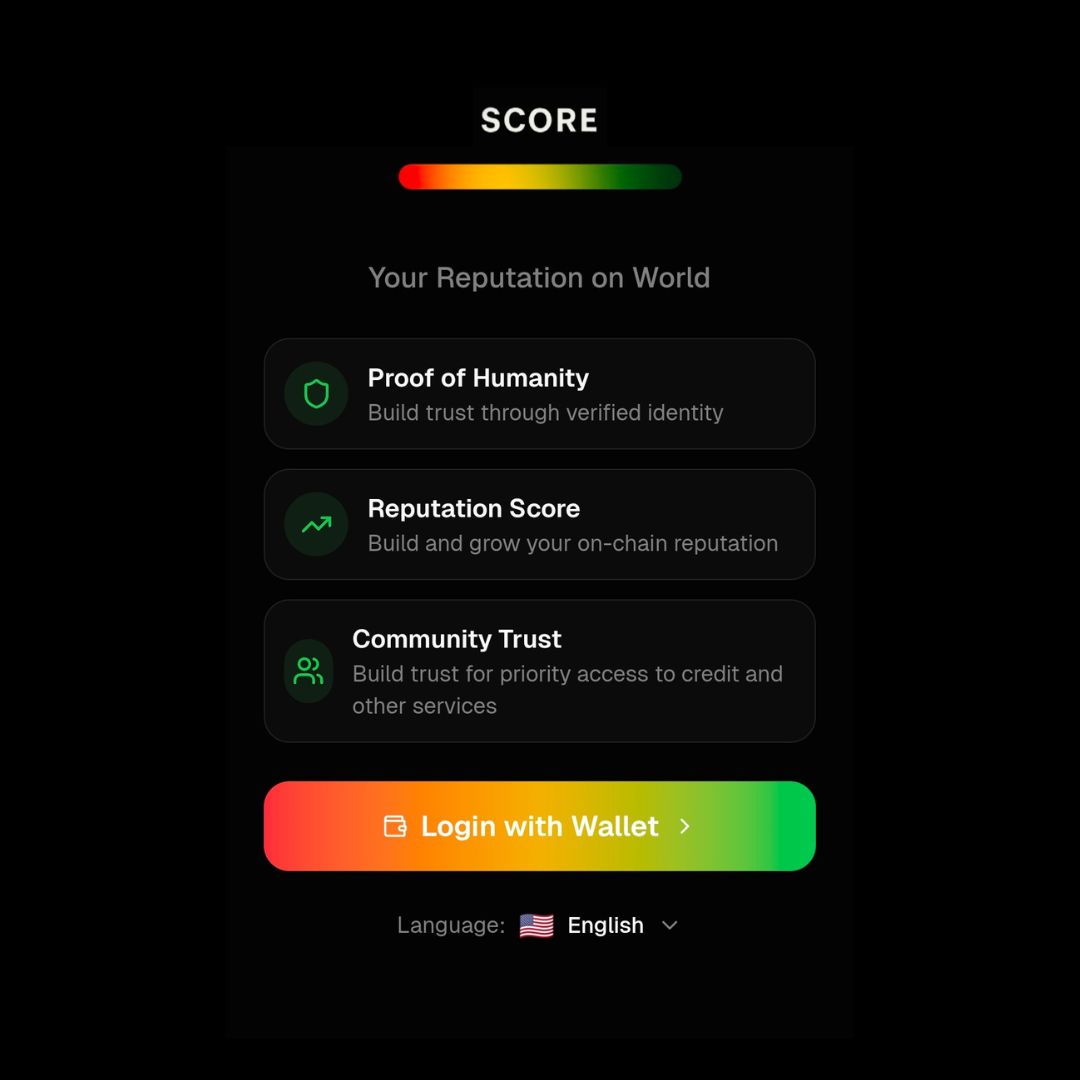
Comparison of Key Features
The table below summarizes the primary focus and data inputs for each tool to help you choose the right fit for your compliance strategy.
| Tool | Primary Focus | Score Range | Key Data Inputs |
|---|---|---|---|
| Coinspect | Security Hygiene | 0-100 | Security checklists, vulnerability status |
| Formo | User Engagement | 0-100 | Onchain activity, behavioral patterns, verified credentials |
| bitsCrunch | Trustworthiness | Variable | Onchain metrics, transaction history |
| Vezgo | Risk Assessment | Variable | Transaction patterns, links to bad actors |
Privacy tools and reputation trade-offs
Privacy-preserving infrastructure like mixers and zero-knowledge proofs creates a fundamental tension with Web3 compliance. These tools obscure transaction trails to protect user anonymity, but that same opacity makes it difficult for reputation scoring systems to assess risk. When a transaction is opaque, compliance tools cannot easily verify the source of funds or the intent behind the transfer.
Most reputation scoring models rely on transparent on-chain history to calculate trustworthiness. For example, a wallet’s reputation score often ranges from 0 to 100 based on engagement, behavioral patterns, and verified credentials. If a user frequently interacts with privacy-enhancing protocols, their score may drop not because of malicious intent, but because the data required for verification is hidden. This forces compliance teams to weigh the value of privacy against the need for auditability.
To handle this, some platforms have developed specialized scoring methodologies that attempt to infer risk from indirect signals. However, these methods are not always standardized. A comparison of different scoring engines reveals significant variation in how they penalize or ignore privacy tool usage. Understanding these differences is essential for maintaining compliance without unnecessarily excluding privacy-conscious users.
| Privacy Tool | Effect on Reputation Score | Compliance Challenge |
|---|---|---|
| Mixers | High risk flag | Requires manual source-of-funds verification |
| Zero-Knowledge Proofs | Neutral to negative | Hard to verify transaction validity without disclosure |
| Private Smart Contracts | Moderate risk | Limited visibility into contract logic and state |
Interpreting scores for on-chain risk
Wallet reputation scores function as a credit rating for digital assets, translating complex on-chain behavior into a single numerical value. For legal and compliance teams, these scores provide a standardized method to assess counterparty risk before executing high-value transactions. Rather than viewing them as arbitrary metrics, treat them as indicators of operational stability and regulatory adherence.
Evaluate transaction history and patterns
A high score typically reflects consistent, legitimate activity over time. Look for wallets that demonstrate steady engagement with verified protocols and avoid sudden, high-volume transfers that often signal mixing services or illicit activity. Tools like Nomis and ChainAware aggregate this data to highlight behavioral anomalies that might otherwise go unnoticed.
Verify identity and credential links
Scores are most reliable when tied to verified identities. Check if the wallet has linked credentials from recognized issuers or passed KYC checks through compliant providers. This linkage transforms a pseudonymous address into a accountable entity, significantly reducing the risk of interacting with sanctioned addresses or darknet markets.
Monitor liquidity and protocol usage
The types of protocols a wallet interacts with matter. A wallet heavily engaged in decentralized exchanges (DEXs) or lending platforms may present different risks than one primarily used for holding stablecoins. Use comparison tables to benchmark these usage patterns against industry standards, ensuring the counterparty’s financial behavior aligns with your compliance thresholds.
| Risk Factor | What to Look For |
|---|---|
| Transaction Volume | Sudden spikes or irregular patterns |
| Protocol Type | Mixers vs. regulated DeFi |
| Identity Status | Linked KYC/verified credentials |
Common questions about wallet scoring
Understanding how to interpret a wallet reputation score is essential for maintaining compliance. These scores function similarly to a credit rating, providing a numerical value—typically ranging from 0 to 100—that reflects a wallet’s engagement, historical behavior, and verified credentials.
What is a wallet reputation score?
A wallet reputation score is a numerical metric used to evaluate the risk profile of a blockchain address. It aggregates on-chain activity, such as transaction history and interaction with smart contracts, to determine how "engaged" or "valuable" a user is. In a compliance context, this score helps institutions identify potential sanctions risks or money laundering patterns before executing a transaction.
How do you determine if a wallet is high quality?
A high-quality wallet in a regulatory sense is one with a clean, transparent history. Look for consistent activity over time rather than sudden, large transfers from unverified sources. A strong score usually indicates that the wallet has passed various identity verifications and has not interacted with known illicit addresses or mixers. Low-quality wallets often exhibit erratic behavior, such as rapid fund movement through multiple layers of anonymity tools.
Why is on-chain reputation important for compliance?
On-chain reputation provides an additional layer of due diligence that traditional KYC (Know Your Customer) processes may miss. While KYC verifies identity at the point of entry, reputation scoring monitors ongoing behavior. This continuous monitoring allows compliance teams to flag addresses that deviate from their expected patterns, reducing the risk of accidental engagement with sanctioned entities or illicit networks.
Helpful gear
Use these product recommendations as a starting point, then choose the size, material, and price point that fit how you actually use the gear.

![2026 Wallet for Men - RFID Blocking [Functional & Practical] Bifold Slim Minimalist Credit Card Holder Pop Up Wallet Metal Case with Cash Slot, Front Pocket with ID Window, Gift Boxed (Carbon Fiber)](https://m.media-amazon.com/images/I/81tundo89BL._AC_UY654_QL65_.jpg)
As an Amazon Associate, we may earn from qualifying purchases.
No comments yet. Be the first to share your thoughts!