What wallet reputation scores measure
A wallet reputation score is a numerical assessment, typically ranging from 0 to 100, that evaluates a blockchain address based on its engagement, transaction patterns, and association with known entities. Unlike basic security checks that only flag immediate threats, reputation scoring provides a holistic view of a wallet's history and behavior. This distinction is critical for compliance teams and market participants who need to understand not just if a wallet is safe, but how it interacts with the broader ecosystem.
Reputation scores combine on-chain activity, entity labeling, and risk flags to create a comprehensive profile. They look beyond simple transaction history to identify links to known exchanges, mixers, or sanctioned addresses. This data-driven standard allows institutions to segment users and rank them based on value and risk, rather than relying on binary pass/fail checks. For regulatory purposes, this granularity is essential for understanding the source and destination of funds.
The rise of wallet risk scoring reflects the increasing need for due diligence in Web3. By evaluating the risk associated with a crypto wallet address, firms can better manage exposure to illicit activity. This process involves identifying transaction patterns and linking addresses to known entities, providing a clearer picture of potential liabilities. As regulatory frameworks evolve, having a clear reputation score becomes a foundational element of compliance strategy.
Understanding these metrics helps legal and compliance teams manage the complexities of blockchain analysis. It transforms raw on-chain data into actionable intelligence, enabling more informed decisions about who to do business with. As the industry matures, these scores will likely become as standard as credit scores in traditional finance, shaping market access and regulatory scrutiny.
How the Data Actually Flows
Your wallet reputation score isn't magic; it's the result of a specific pipeline that turns raw blockchain data into a readable trust metric. Understanding this infrastructure is essential for legal compliance, as it reveals exactly which data points are being weighed and how privacy protocols intersect with public ledger transparency.
The foundation of any reputation system is the blockchain explorer. These tools index every transaction, contract interaction, and token transfer. For a legal audience, this means the "reputation" is derived from immutable, on-chain history. Services like Etherscan or Solscan provide the raw material, but they don't interpret intent. They simply record that Wallet A sent funds to Wallet B. The reputation layer sits on top of this, applying labels and heuristics to categorize those transactions.
Labeling services are the next critical component. They tag addresses with known entities—exchanges, mixers, or sanctioned entities. This is where the data becomes actionable. If a wallet frequently interacts with a high-risk mixer, its reputation score drops, regardless of whether the individual transactions were illegal. The score reflects the pattern of interaction, not the legality of each specific transfer. This distinction is vital for regulatory reporting, where context matters more than raw volume.
Privacy protocols add complexity to this infrastructure. Tools like Tornado Cash or zk-SNARKs break the link between sender and receiver. When a reputation system encounters these interactions, it must decide how to penalize anonymity. Some systems treat privacy usage as a negative signal, assuming it hides illicit activity. Others, more nuanced approaches, only penalize if the underlying transaction history is tainted. The infrastructure must be robust enough to handle these opaque interactions without breaking the entire scoring model.
The reliability of these scores depends on the quality of the underlying data. If a labeling service misses a sanctioned entity, the reputation score will be artificially high. This is why official sources and primary data feeds are preferred over aggregated, third-party scores. For context on the market environment where these tools are essential, consider the volatility of the underlying assets.
Top tools for tracking wallet scores
Selecting the right wallet reputation scoring tool requires a structured approach: define your compliance constraints, compare available options against those needs, test the tradeoffs, and choose the path with the fewest hidden costs. This order keeps the advice usable and ensures the recommendation fits your actual operational situation.
The simplest way to evaluate these tools is to write down your real constraint first—whether it is data granularity, API latency, or cost—compare each option against it, and choose the path that still works outside ideal conditions. If a tool depends on perfect timing, unusual access, or a best-case budget, include a simpler fallback that meets core compliance needs.
Using wallet reputation scores for compliance and privacy
Regulators are tightening their grip on digital assets, and the FATF Travel Rule is a primary example. This framework requires virtual asset service providers (VASPs) to share specific sender and receiver information for transactions exceeding certain thresholds. For organizations, the challenge is balancing this transparency with user privacy. Wallet reputation scores offer a solution by allowing teams to assess risk without exposing raw, sensitive transaction data unnecessarily.
Instead of manually reviewing every on-chain interaction, compliance officers can integrate reputation scoring into their KYC workflows. These scores aggregate data from known risk sources, flagging addresses linked to illicit activity or high-risk jurisdictions. This approach aligns with the FATF’s guidance on risk-based approaches, allowing firms to focus resources on high-risk interactions while streamlining low-risk flows. By using aggregated risk signals, organizations can meet regulatory requirements without storing excessive personal data, thereby reducing their own liability.
To implement this strategy effectively, teams should follow a structured verification process. This ensures that the reputation data used is both accurate and compliant with local privacy laws. A practical checklist for compliance officers includes:
- Verify data sources: Ensure the reputation score provider uses official, primary sources and maintains high trust scores.
- Assess privacy impact: Confirm that the scoring mechanism minimizes data retention and protects user identity where possible.
- Integrate into KYC workflows: Automate the scoring step within the existing Know Your Customer process to ensure consistent application.
This methodical approach helps organizations stay ahead of regulatory changes while maintaining user trust. By treating reputation scores as a core component of compliance, firms can manage the complex landscape of digital asset regulation with greater confidence and efficiency.
Essential hardware for secure wallets
A high reputation score means little if the private keys controlling those assets are exposed to software vulnerabilities or physical theft. Hardware wallets solve this by keeping keys offline, creating a secure enclave that signs transactions without ever revealing the seed phrase to the internet. For a legal or regulatory audience, this physical separation is the baseline for custodial compliance.
The market has matured beyond simple USB sticks. Modern devices offer dual-screen verification to prevent man-in-the-middle attacks and support multiple blockchain ecosystems. When selecting hardware, prioritize devices with open-source firmware and established audit histories. These features ensure that the security claims backing your wallet’s reputation are verifiable, not just marketing.
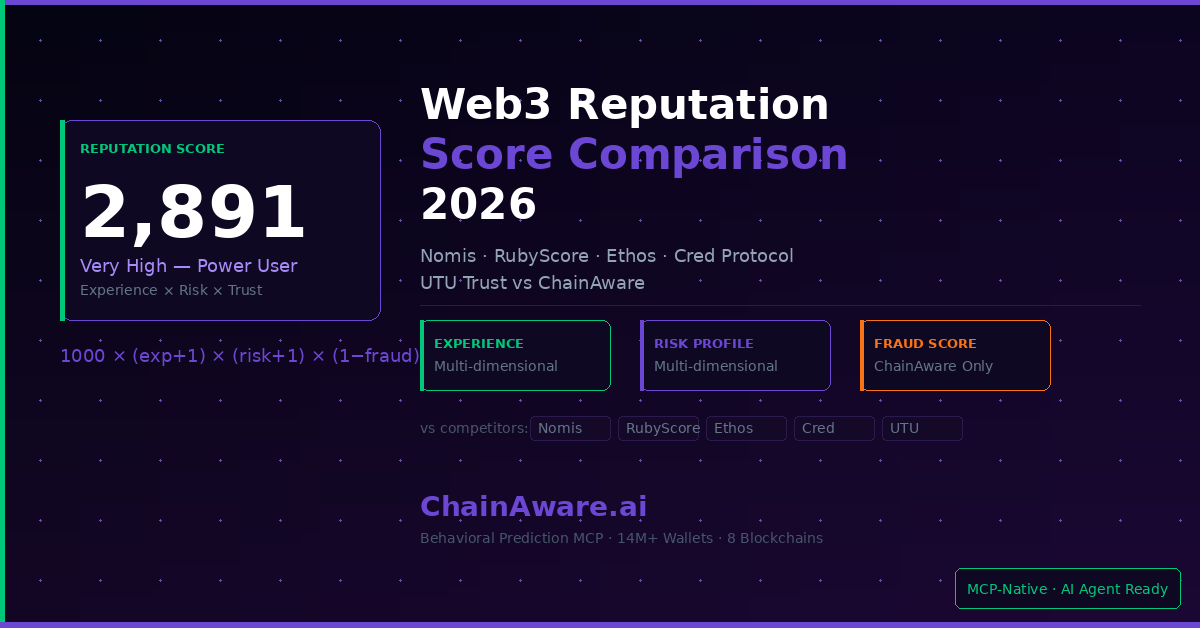
Below are current options for securing your assets. These listings reflect popular models that support the high-security standards required for reputable wallet management.


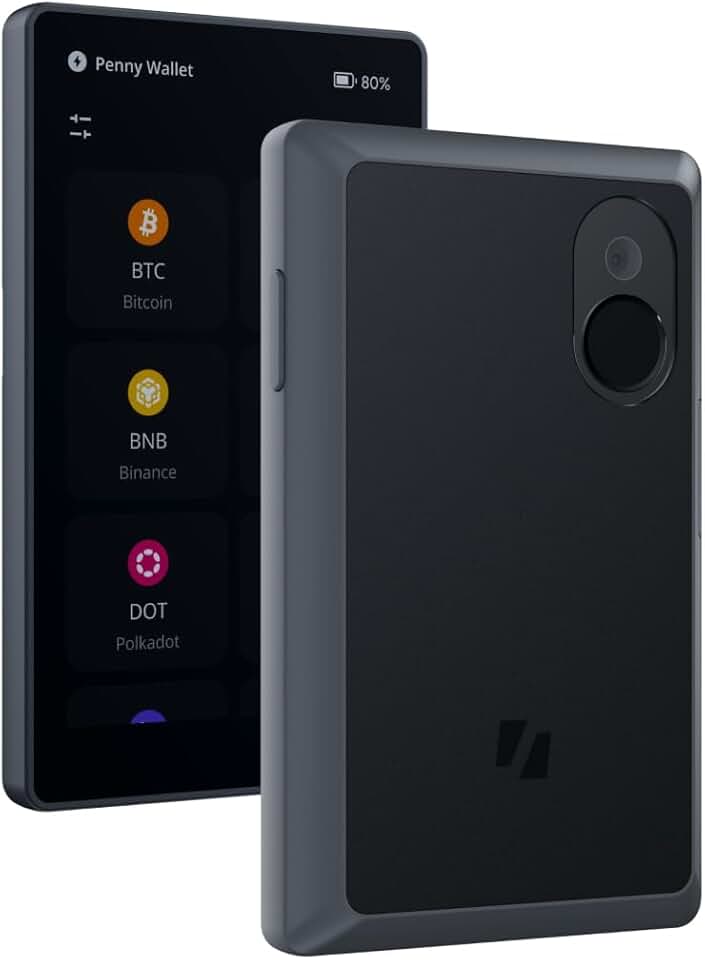
As an Amazon Associate, we may earn from qualifying purchases.
Security is not static. As threat vectors evolve, so must your hardware strategy. Regular firmware updates and physical storage in a safe location are non-negotiable practices for maintaining a high reputation score.
Common questions about wallet scoring
Understanding how wallet reputation scores interact with compliance and infrastructure is essential for serious Web3 operators. Below are the most frequent questions regarding IRS visibility and wallet quality assessment.
The chart above reflects current market conditions, which often correlate with wallet activity spikes. Monitoring these trends helps contextualize reputation scores within broader market movements.
No comments yet. Be the first to share your thoughts!