Defining wallet reputation scores
Wallet Reputation Scores function as a risk assessment layer, translating on-chain activity into quantifiable exposure metrics. This section outlines the core inputs, infrastructure providers, and integration strategies required to implement these scores within a compliant workflow.
Core inputs for risk scoring models
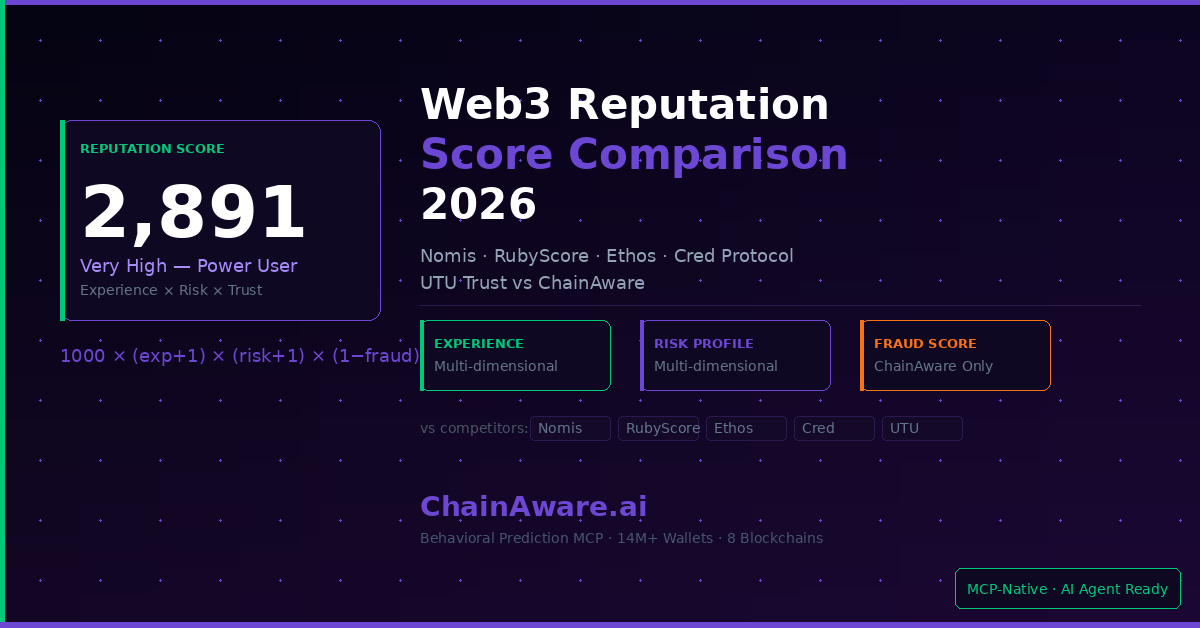
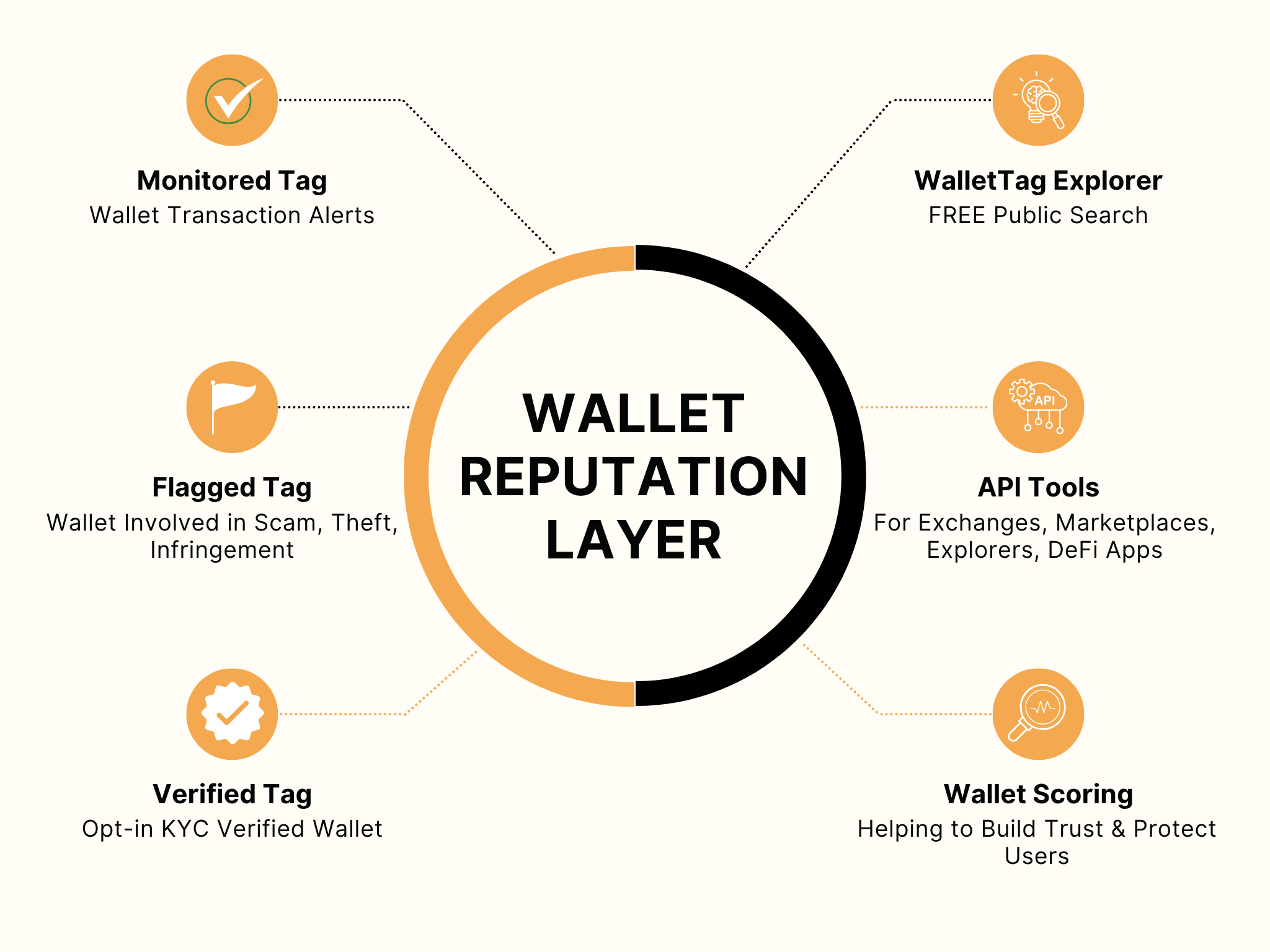
Wallet reputation scores rely on three primary data streams: transaction patterns, entity links, and labeling. These inputs form the foundation of risk infrastructure, allowing compliance teams to assess exposure before executing high-stakes transfers. Without accurate inputs, reputation models cannot distinguish between legitimate activity and illicit finance.
Transaction patterns analyze the frequency, volume, and timing of movements. Sudden spikes in activity or interactions with high-risk protocols often trigger alerts. For example, frequent use of mixing services or tumblers is a strong indicator of obfuscation intent. Compliance systems flag these patterns because they suggest an attempt to break the audit trail of funds.
Entity links map connections between wallets and known bad actors. If a wallet interacts with addresses linked to sanctions lists, ransomware groups, or darknet markets, its reputation score drops immediately. This linkage analysis is critical for identifying indirect exposure. A wallet may appear clean in isolation but becomes high-risk when connected to a sanctioned entity through a single transaction.
Labeling provides context by assigning tags to addresses based on their known function. Exchanges, DeFi protocols, and gambling sites receive distinct labels that influence risk calculations. Interactions with unregulated gambling platforms, for instance, may carry higher risk weights than exchanges due to weaker compliance controls. These labels help refine the score beyond simple transaction history.
Infrastructure providers and data sources
Wallet reputation scores are not a monolithic standard; they are the output of distinct infrastructure strategies. The market is divided between providers focused on regulatory compliance and those optimized for user engagement. Understanding this distinction is critical for selecting the right risk infrastructure.
TRM Labs operates primarily as a compliance-first entity. Its wallet screening tools are designed to satisfy Anti-Money Laundering (AML) and Know Your Customer (KYC) requirements. The scoring model here is binary and defensive: it flags connections to sanctioned entities, darknet markets, or high-risk mixing services. The goal is not to reward good behavior but to identify and block bad actors. This approach is essential for exchanges and financial institutions facing strict regulatory scrutiny.
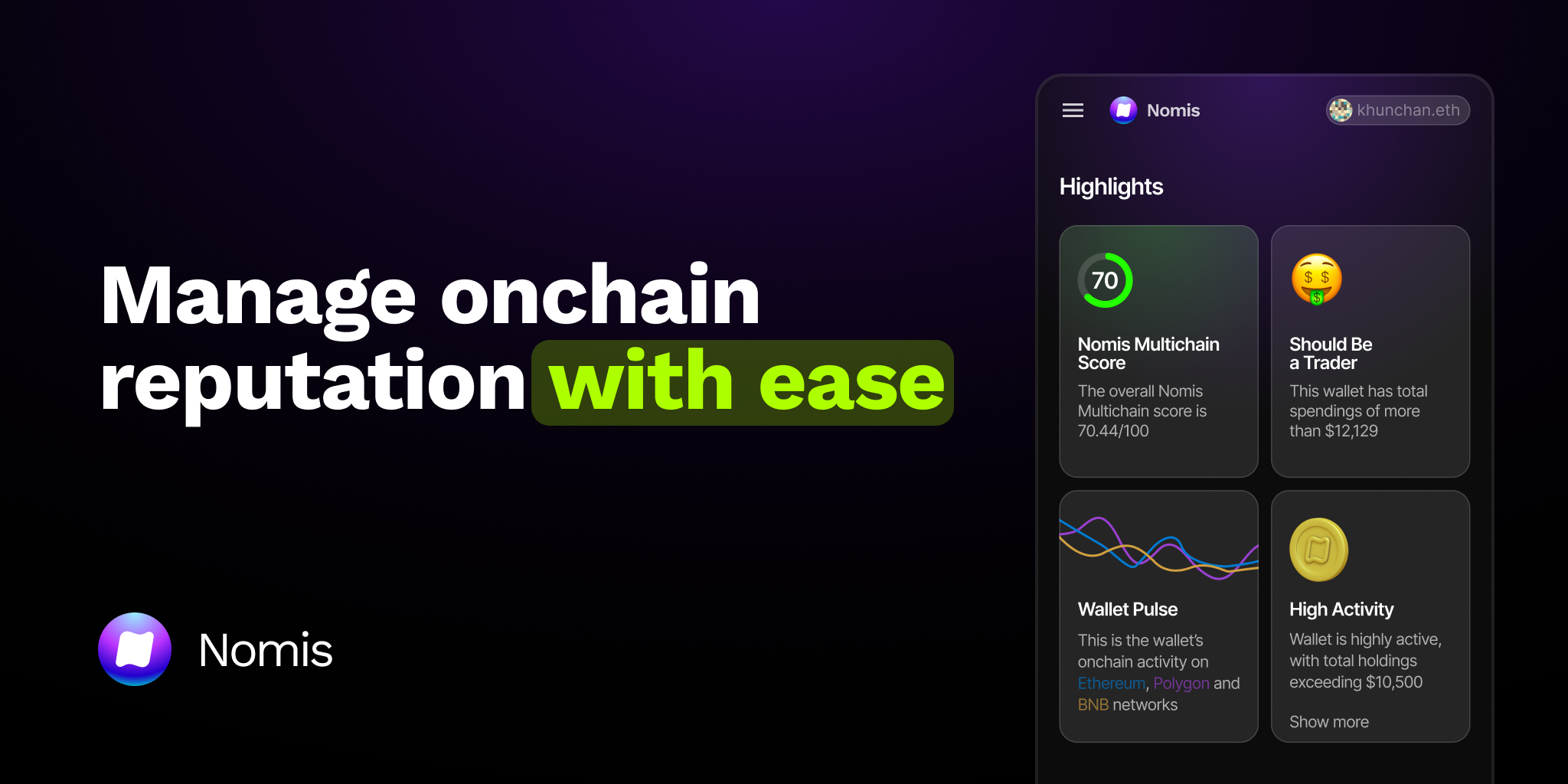
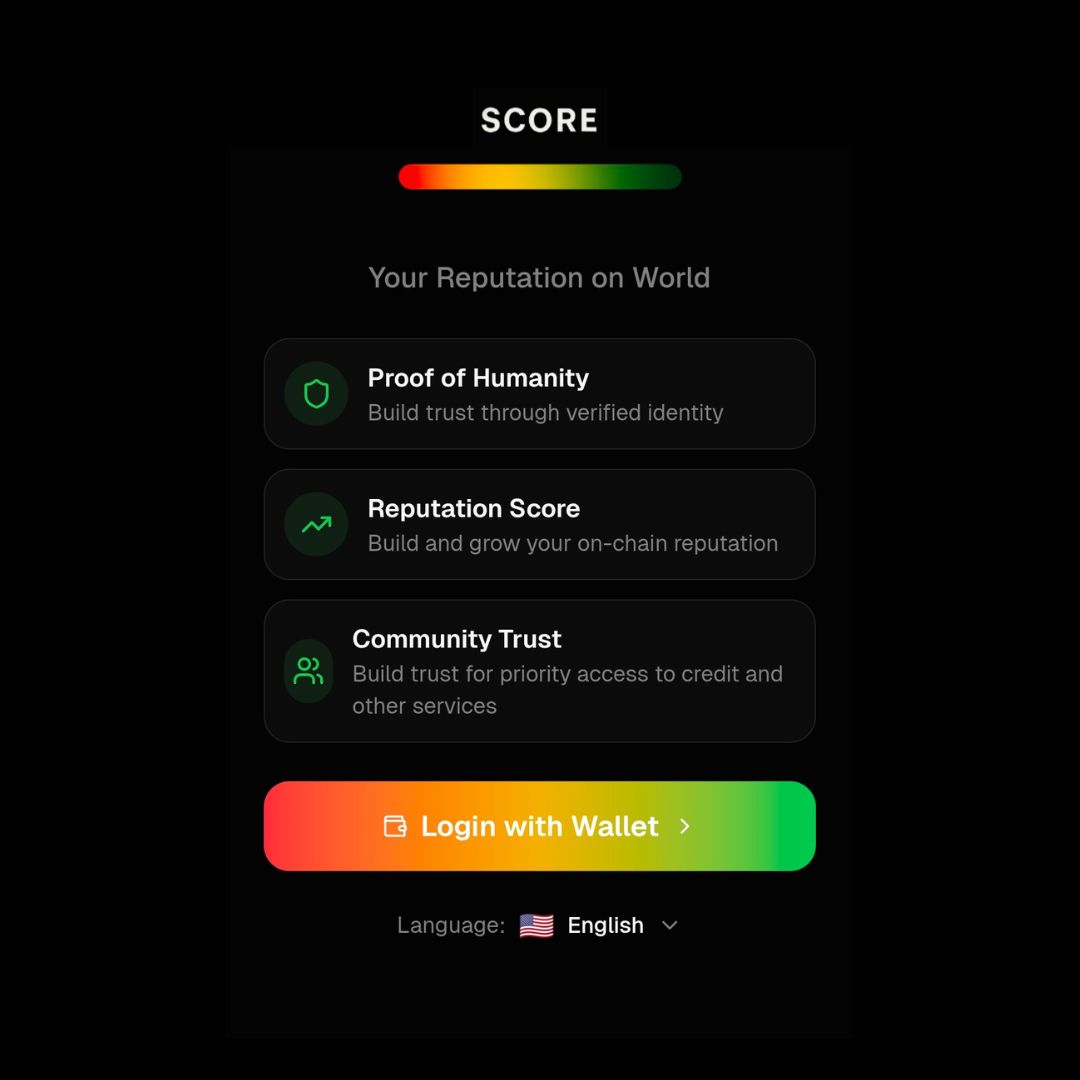
In contrast, providers like Formo and Coinspect focus on positive behavioral signals. Formo’s wallet scoring measures engagement and value, assigning a numerical score (typically 0 to 100) based on transaction history, asset diversity, and longevity. This data-driven standard allows protocols to segment users for rewards, airdrops, or tiered access. Coinspect similarly offers a Security Score, but its checklist emphasizes wallet hygiene and exposure to vulnerable contracts rather than just illicit associations.
The choice between these infrastructure layers depends on your primary risk exposure. Compliance tools protect against legal liability, while engagement scores drive user growth. Many advanced systems now combine both, using compliance filters to clean the data before applying engagement logic.
Provider comparison
The following table compares the primary use cases, data depth, and integration types of major wallet reputation infrastructure providers. This analysis highlights the trade-offs between strict compliance monitoring and flexible user segmentation.
| Provider | Primary Focus | Data Depth | Integration Type |
|---|---|---|---|
| TRM Labs | AML & Compliance | Deep transaction graph | API & Dashboard |
| Formo | User Engagement | Behavioral metrics | SDK & API |
| Coinspect | Security Hygiene | Contract interaction | API & Dashboard |
| Vezgo | Risk Aggregation | Multi-chain balance | API & SDK |
Market context
The valuation of blockchain analytics firms often correlates with their ability to provide real-time risk data. As regulatory pressure increases, the demand for robust wallet screening infrastructure drives market dynamics. Investors and operators should monitor how these providers expand their data coverage across emerging chains and layer-2 networks.
Integrating scores into compliance workflows
Implementing wallet reputation scores requires a structured approach to constraint definition, option comparison, and path selection. This sequence ensures that the chosen infrastructure remains viable under non-ideal conditions.
Regulatory Shifts Drive Standardization
The cryptocurrency sector is undergoing a structural transition from decentralized experimentation to regulated compliance, with wallet reputation scores serving as a critical infrastructure layer. This shift is largely propelled by the European Union’s Markets in Crypto-Assets (MiCA) regulation and updated guidance from the Financial Action Task Force (FATF). These frameworks require virtual asset service providers to implement robust customer due diligence, making standardized reputation scoring not just a best practice but a legal necessity.
Regulators are increasingly focused on the integrity of the transaction chain rather than just the identity of the user. Under FATF’s Travel Rule, entities must share originator and beneficiary information for transactions above specific thresholds. Reputation scores that flag interactions with high-risk entities—such as sanctioned addresses or known mixing services—allow compliance teams to filter out illicit flows before they enter the regulated ecosystem. This proactive filtering reduces the risk of regulatory penalties and protects the reputation of licensed financial institutions.
The demand for these tools is growing rapidly among regulated entities that must demonstrate adherence to anti-money laundering (AML) standards. According to industry analysis, there is a significant increase in the adoption of on-chain analytics tools by traditional financial institutions seeking to mitigate risk.
This trend underscores the move toward a unified infrastructure where reputation scores provide a common language for risk assessment. As global regulations harmonize, the ability to interpret and apply these scores consistently will become a competitive advantage for exchanges and custodians. The infrastructure is no longer optional; it is the backbone of trust in the evolving digital asset landscape.
No comments yet. Be the first to share your thoughts!