Wallet reputation scores are not universal
A wallet reputation score is a numerical metric, typically ranging from 0 to 100, that evaluates a user's trustworthiness, engagement, and long-term value on the blockchain. Unlike a credit score, there is no single governing body. Instead, different protocols use different data sources to calculate these scores, which creates a fragmented landscape where a "good" score in one system might mean nothing in another.
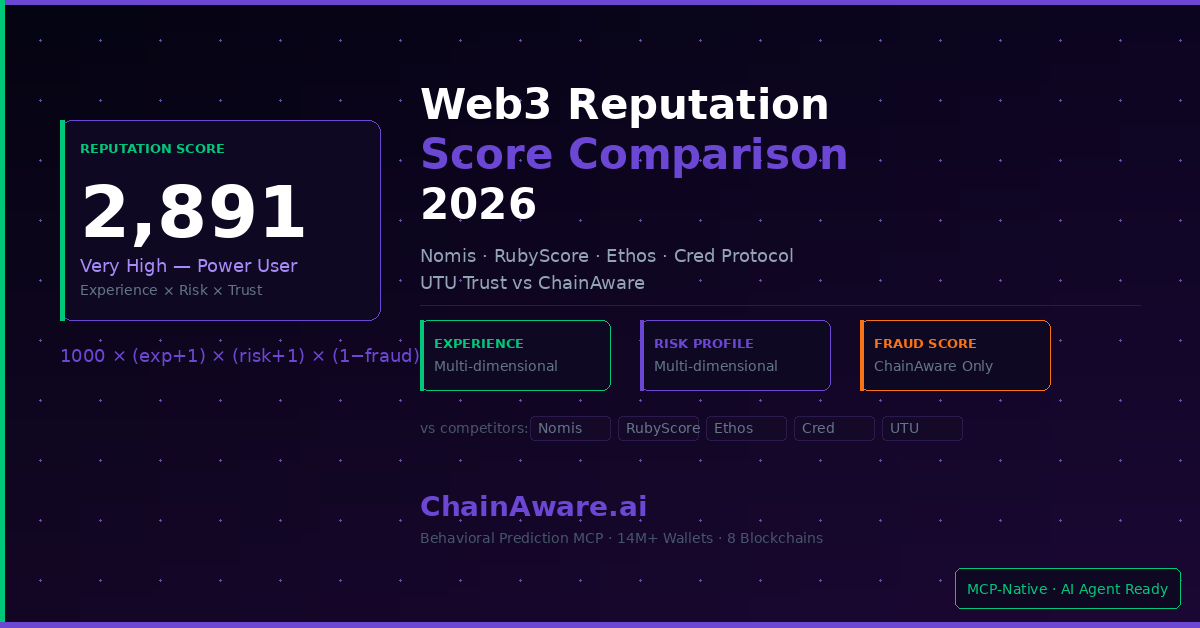
The most common approach involves analyzing on-chain behavior. Protocols like Formo and CoInspect look at transaction history, asset diversity, and security hygiene. A high score usually indicates a user who avoids interacting with known malicious contracts and maintains a consistent activity pattern. However, because each provider weights these factors differently, a score of 80 from one vendor might not translate to the same access level at a DeFi platform using a different vendor.
This lack of standardization is the primary constraint for users. You cannot simply carry your highest score across all applications. If a platform uses a vendor that prioritizes historical longevity, a new but active wallet might be rated lower than a dormant but historically clean one. Users must understand which scoring provider a specific protocol trusts before assuming their wallet status grants them access.
To navigate this, check the documentation of any DeFi platform you intend to use. Look for mentions of specific reputation providers or "identity" layers. If they do not specify, assume the score is not portable. This prevents the common mistake of assuming a high score on one dashboard guarantees seamless access everywhere.
Evaluating wallet reputation score choices that change the plan
A wallet reputation score is a numerical metric (0–100) that evaluates the trustworthiness, engagement, and long-term value of a blockchain address. While a high score opens doors to better DeFi access, the calculation methods differ significantly between protocols. Choosing the right metric depends on whether you prioritize privacy, transaction history, or security posture.
| Metric | Primary Focus | Privacy Impact | Best For |
|---|---|---|---|
| ChainAware Behavioral | Transaction patterns and fraud detection | Low (requires full history) | High-volume traders |
| Nomis Identity | Real-world identity and governance | Medium (KYC-linked) | Institutional access |
| CoInspect Security | Wallet security checklist compliance | High (address-only) | Security-conscious users |
| Formo Engagement | Long-term value and activity | Medium | DeFi power users |
Privacy vs. Transparency
The most significant tradeoff is between data transparency and user privacy. Protocols like ChainAware analyze complete transaction histories to generate behavioral profiles. This provides high accuracy for fraud detection but exposes your entire financial history to the scoring entity. If privacy is your priority, this approach may be too invasive.
Security vs. Activity
Some scores, such as CoInspect’s Security Score, focus strictly on wallet configuration and security practices. These scores are calculated using checklists that evaluate multi-sig setups and hardware wallet usage. They do not require analyzing your transaction history, making them less intrusive. However, a high security score does not necessarily indicate good DeFi engagement or creditworthiness.
Identity Verification
Other protocols, like Nomis, integrate real-world identity verification. This creates a higher trust signal for DeFi lenders but requires sharing personal information. This tradeoff is essential for institutional-grade access but may not be suitable for anonymous users. Understanding which factor matters most to your specific use case is critical before selecting a protocol.
How to choose the right wallet reputation protocol
Selecting a wallet reputation protocol depends on whether you prioritize security, engagement, or institutional compliance. The landscape has shifted from simple transaction counts to multi-dimensional scoring models that weigh on-chain behavior against real-world identity verification. A high score no longer just means you are active; it means you are trustworthy to lenders, NFT marketplaces, and regulated exchanges.
Step 1: Define your primary use case
Your choice of protocol should align with your immediate goals. If you are a DeFi power user seeking high leverage or yield, prioritize protocols that measure long-term engagement and historical consistency. For institutional or enterprise applications, focus on solutions that integrate with official identity standards (like World ID) to ensure regulatory compliance. Casual users may only need a basic security score to avoid interacting with malicious contracts.
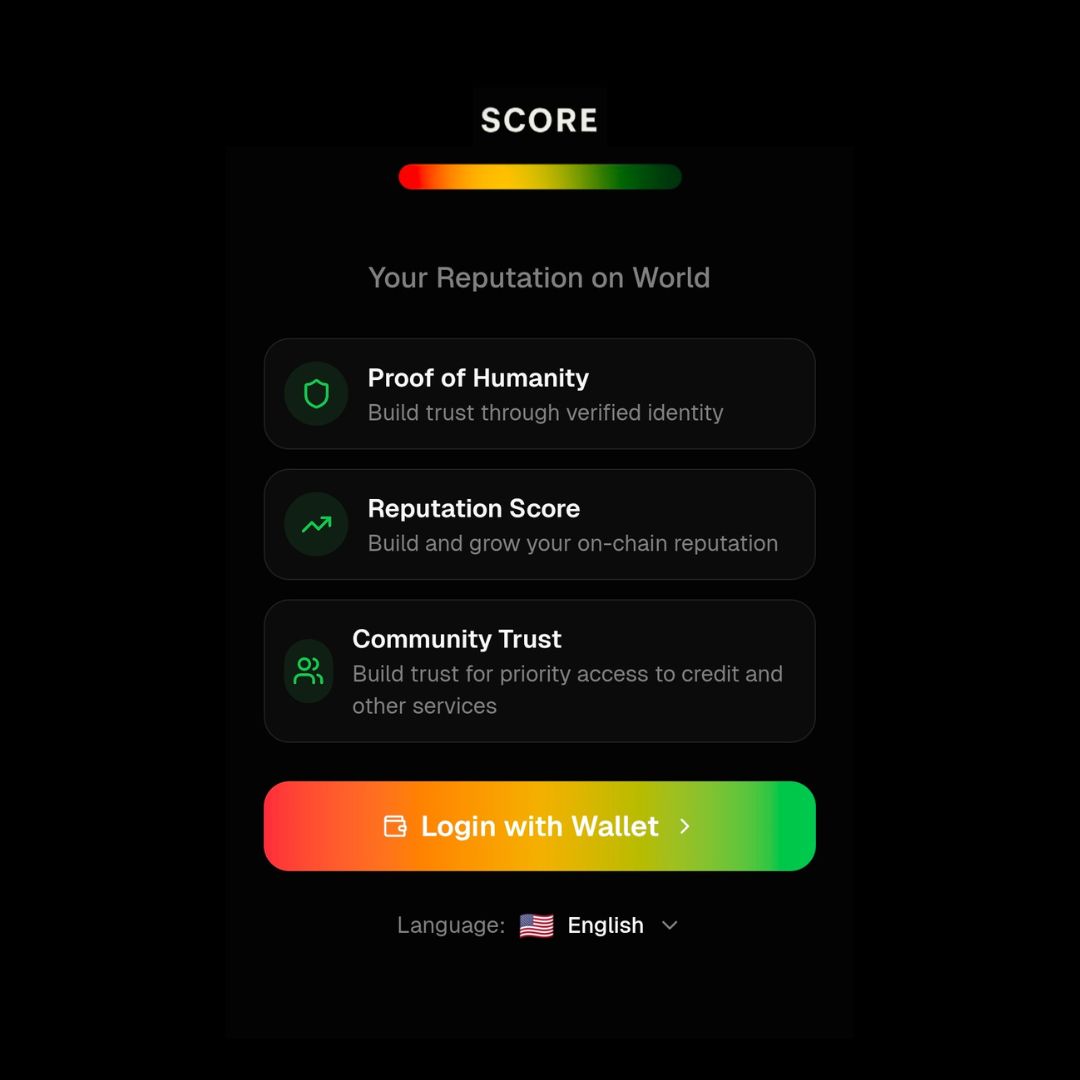
Determine if you need access to high-stakes DeFi, NFT minting, or basic security. High-leverage protocols often require a "good" score (typically 70+) based on historical consistency, while casual users may only need a basic security check to avoid malicious contracts.
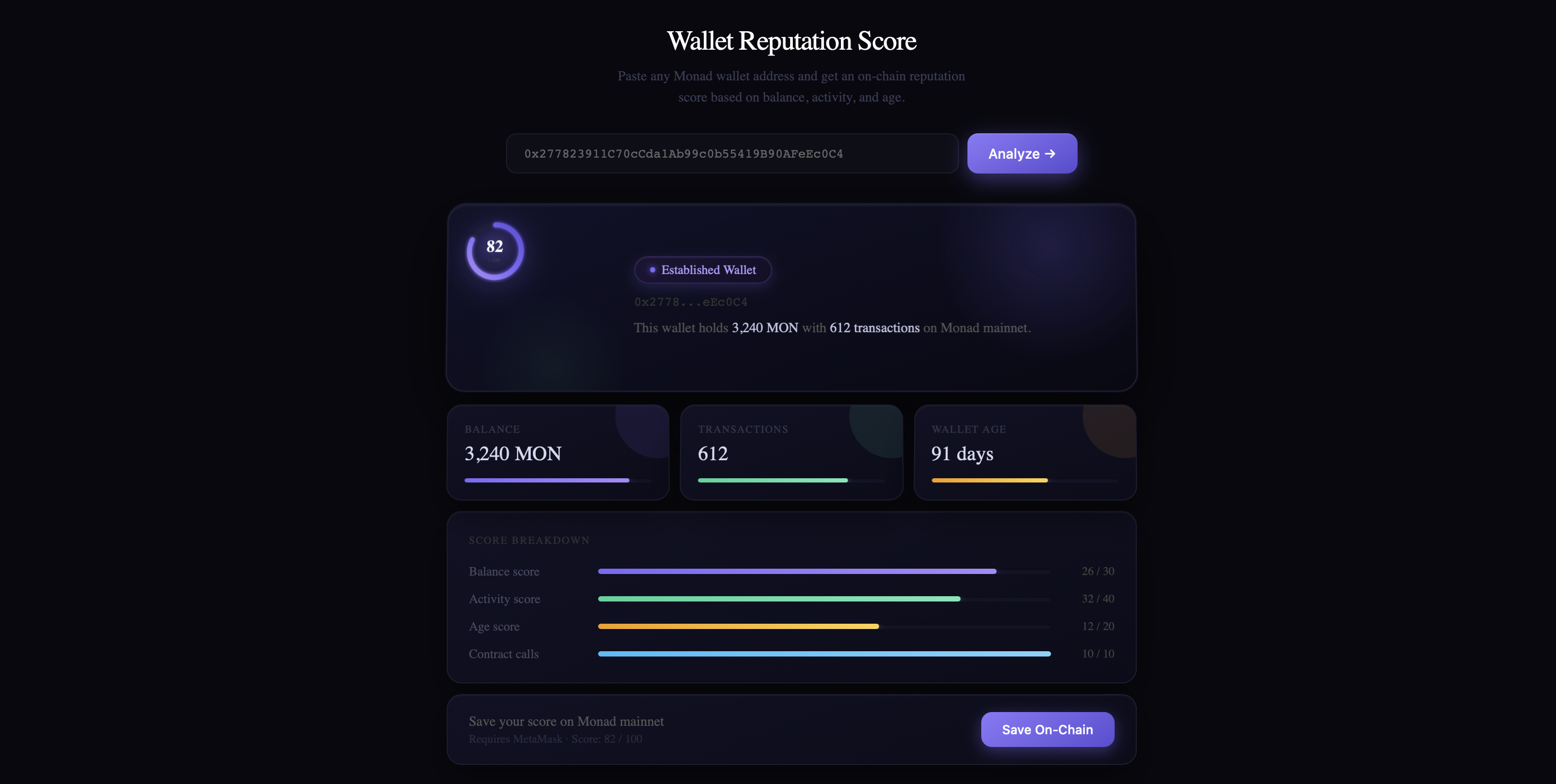
Look for protocols that combine multiple data points. The most robust scores, such as Formo’s or CoInspect’s, use a 0–100 scale that weighs security checklists, transaction history, and engagement. Avoid single-metric scores that only count transactions, as they can be easily gamed.
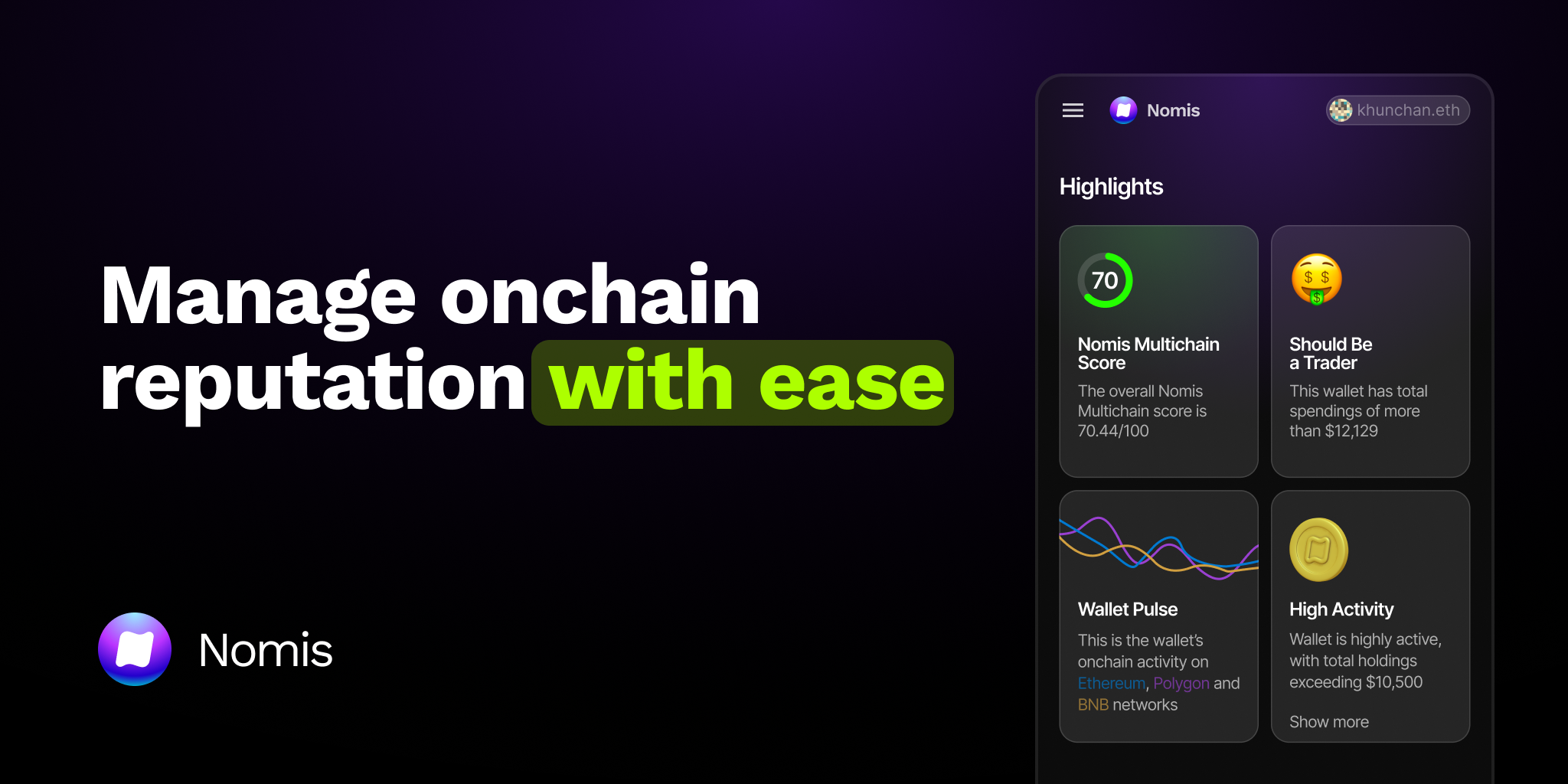
Ensure the protocol you choose is recognized by the platforms you intend to use. Major DeFi lending platforms and NFT marketplaces often have preferred reputation providers. Using a protocol that is not integrated into their risk engine means your score will have no practical value.
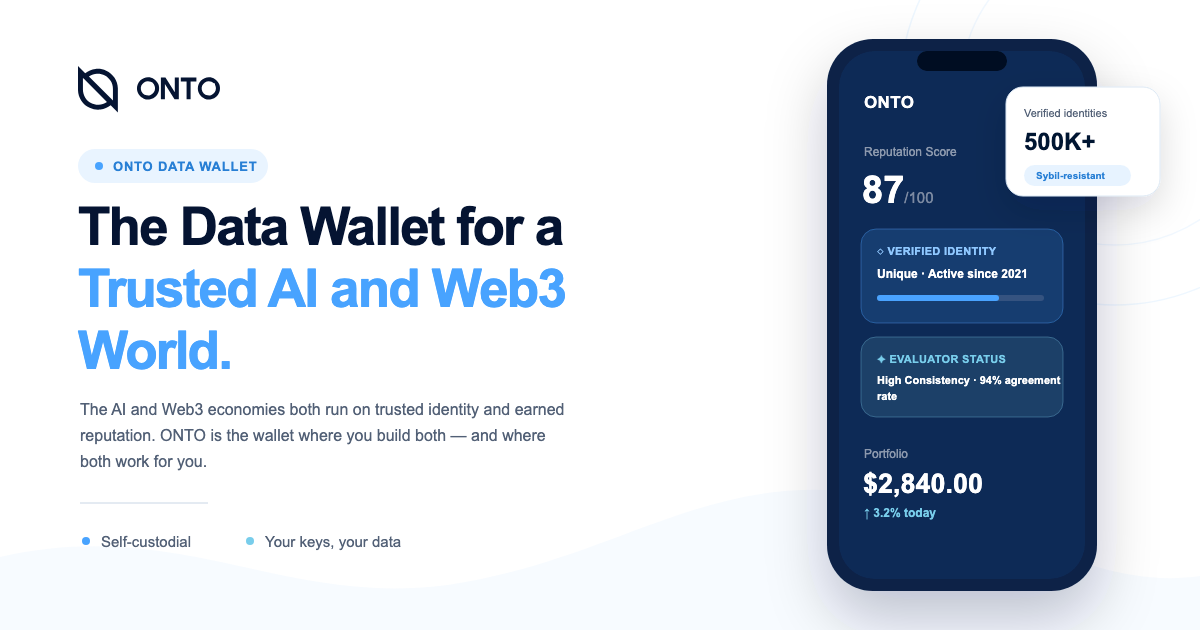
Some high-trust scores require proof of personhood (PoP) or real-world identity verification. If you value privacy, look for zero-knowledge reputation proofs that verify trustworthiness without exposing personal data. For institutional users, explicit identity verification is often a non-negotiable requirement.
Reputation is not static. A score can drop if you interact with sanctioned addresses or show signs of bot-like behavior. Choose a protocol that provides clear feedback on why your score changed, allowing you to correct issues like suspicious transaction patterns before they impact your access.
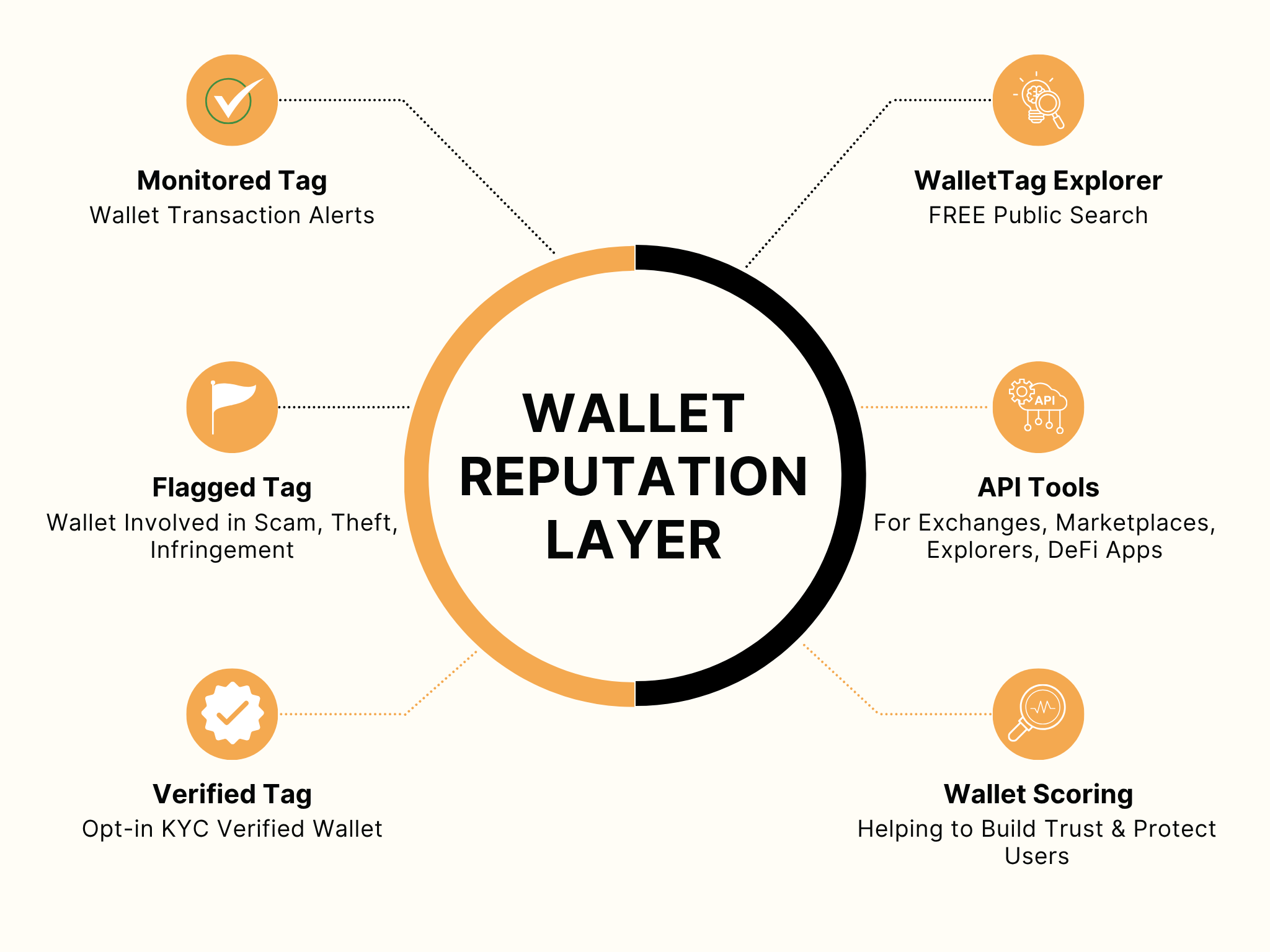
Before committing significant capital, test the protocol’s acceptance in a low-stakes environment. Verify that your score is recognized and that the verification process does not introduce unnecessary friction. This step ensures the protocol aligns with your risk tolerance and operational workflow.
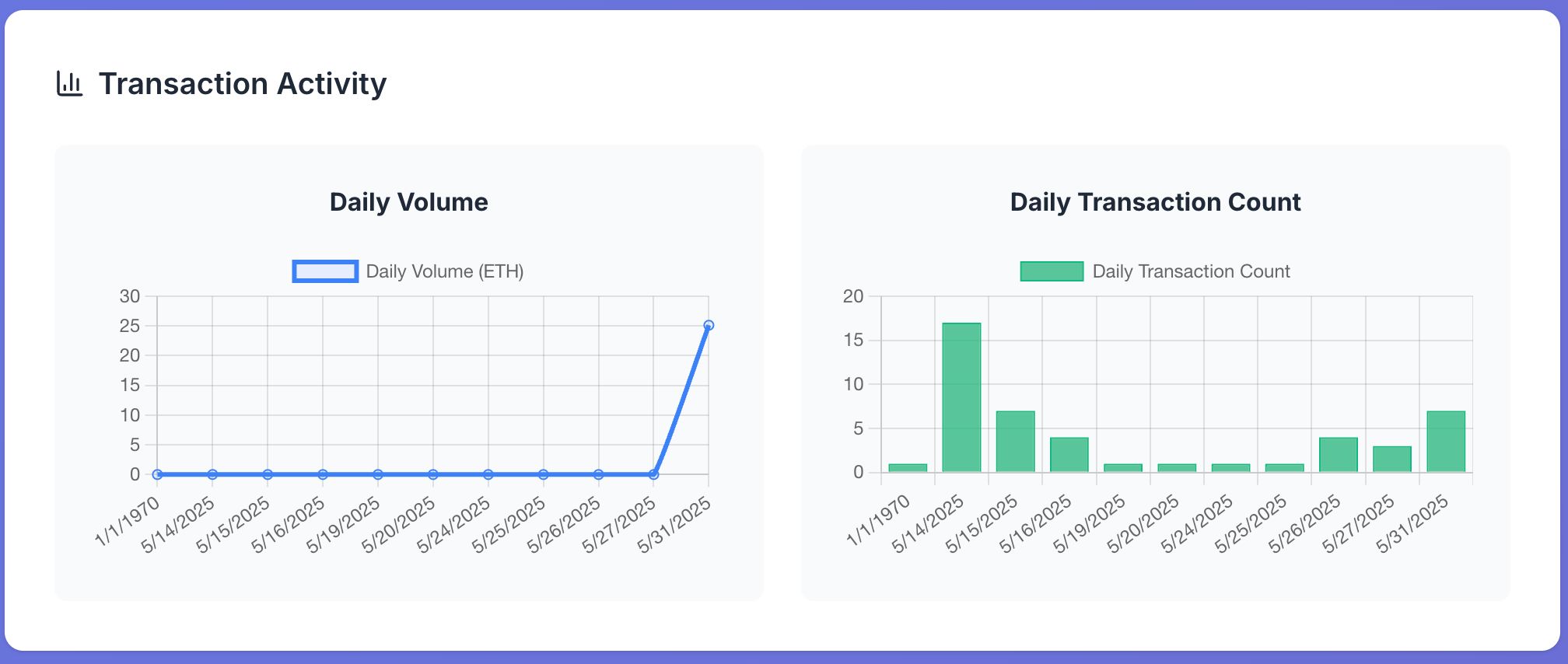
Maintaining a high reputation score requires consistent, legitimate activity. Regularly review your on-chain history to ensure no accidental interactions with high-risk contracts. Some protocols offer tools to simulate your score before making large transactions, helping you avoid accidental penalties.
Decision framework
| Use Case | Recommended Protocol Type | Key Metric | Privacy Level |
|---|---|---|---|
| DeFi Lending | Engagement & History | Long-term consistency | Low (KYC often required) |
| NFT Minting | Security & Activity | Transaction volume | Medium (Anon with checks) |
| Institutional | Identity-Verified | Proof of Personhood | None (Full KYC) |
| Casual Use | Basic Security | Security checklist | High (No identity) |
The best protocol is the one that unlocks the specific access you need without compromising your operational privacy. Start with a security-focused protocol if you are new, then graduate to engagement-based scores as your history grows.
Spotting Weak Reputation Scores
Not all wallet scores measure what you think they do. Many platforms inflate numbers by counting trivial interactions, like clicking a banner or joining a Discord server. These metrics look impressive on a dashboard but offer no real protection against phishing or smart contract exploits. When evaluating a DeFi protocol’s access requirements, distinguish between vanity metrics and security-focused scoring.
Common pitfalls to avoid:
- Engagement-only scores: Systems that reward frequency over quality. A wallet with high transaction volume but frequent interactions with known scam contracts will still receive a high score in weak models.
- Static snapshots: Scores that don’t update in real-time. If your wallet’s risk profile changes (e.g., you receive funds from a mixer), the score must reflect that immediately.
- Closed-source algorithms: Platforms that refuse to disclose how they weight different activities. Without transparency, you cannot audit whether the score actually correlates with safety.
A trustworthy reputation system prioritizes security checks, such as address history and interaction patterns, over simple activity counts. Always verify which data points influence the score before relying on it for access decisions.
Wallet reputation scores: practical answers
Before committing funds to a protocol, understanding how reputation scores function helps mitigate risk. These metrics evaluate trustworthiness based on transaction history and on-chain behavior.
No comments yet. Be the first to share your thoughts!