Wallet reputation scores analysis
A wallet reputation score is a numerical metric, typically ranging from 0 to 100, that evaluates the trustworthiness and engagement of a blockchain address. Unlike traditional credit scores, these on-chain identity systems analyze transaction history, asset diversity, and smart contract interactions to determine if a wallet is a safe or risky transactor. This data-driven standard allows DeFi protocols to segment users and manage risk without relying on centralized identity verification. Formo and other infrastructure providers use this scoring mechanism to enhance trust in the cryptocurrency marketplace by identifying users who demonstrate long-term value and consistent behavior.
The primary advantage of wallet reputation scores is the ability to grant access to high-yield or capital-intensive DeFi opportunities based on on-chain merit rather than geographic location or traditional credit checks. A high score signals to protocols that a user is likely to honor smart contract obligations, reducing the risk of exploitation or bad debt. Conversely, wallets with low scores or suspicious activity patterns may face restrictions or higher fees, creating a more secure environment for all participants. This shift moves the industry away from anonymous, permissionless access toward a reputation-based model that balances openness with accountability.
However, relying solely on wallet scores introduces tradeoffs. Users with limited transaction history or those who prioritize privacy may struggle to build a high reputation, potentially excluding legitimate participants from certain services. Additionally, the opacity of scoring algorithms can make it difficult for users to understand why their score is low or how to improve it. As the ecosystem matures, the standardization of these metrics will be critical to ensuring that reputation scores are portable across different platforms and do not create fragmented silos of trust.
| Feature | Wallet Reputation Score | Traditional Credit Score |
|---|---|---|
| Data Source | On-chain transaction history | Banking and loan history |
| Accessibility | Global, permissionless | Geographically restricted |
| Privacy | Pseudonymous, transparent | Private, centralized |
| Update Frequency | Real-time | Monthly or quarterly |
Wallet reputation scores analysis: weighing the choices that change the plan
A wallet reputation score acts as a credit rating for your on-chain identity. It quantifies how trustworthy, active, and valuable a wallet is to protocols. While high scores unlock better DeFi rates and larger airdrops, they require sacrificing the privacy that defined early crypto culture. Understanding these tradeoffs is essential for deciding whether to build a verifiable identity or remain anonymous.
The privacy vs. access choices that change the plan
The most significant tradeoff involves data exposure. To calculate a score, aggregators like Formo or BitCrunch analyze your entire transaction history. This includes your addresses, token balances, and interaction patterns. In exchange for this visibility, protocols grant you access to higher yield tiers or exclusive liquidity pools. If you prioritize financial access over anonymity, this tradeoff is favorable. However, for users concerned about surveillance or targeted attacks, a public score can make you a target.
Cost vs. Benefit of Verification
Building a high reputation score requires gas fees and time. You must engage with multiple protocols, hold assets for specific durations, and complete on-chain tasks. This process is not free. For casual traders, the cost of gas and the opportunity cost of locking assets may outweigh the benefits of a slightly better APY. For active participants, the long-term gains in airdrop eligibility and reduced fees often justify the initial investment in reputation.
Centralization Risks
Relying on third-party scoring introduces centralization risks. If a single provider controls the scoring algorithm, they effectively gatekeep access to DeFi. Changes in their criteria can suddenly lower your score, affecting your ability to borrow or lend. It is crucial to understand that these scores are not immutable blockchain consensus but proprietary metrics. Diversifying your reputation across multiple providers can mitigate this risk, but it also increases the complexity of managing your on-chain identity.
| Factor | Benefit | Cost |
|---|---|---|
| Privacy | Access to premium rates | Full transaction history exposed |
| Gas Fees | Long-term airdrop gains | High short-term spending |
| Complexity | Higher trust scores | Time-intensive verification |
| Centralization | Streamlined onboarding | Single point of failure |
Making the Decision
Choose a verifiable identity if you are an active DeFi user seeking maximum efficiency and yield. The convenience of seamless access and better rates outweighs the loss of privacy. Opt for anonymity if you are a long-term holder or concerned about security. In this case, the cost of building reputation may not be worth the marginal gains. Always evaluate your specific use case before committing to a reputation-building strategy.
How to Choose a Wallet Based on Reputation Scores
On-chain reputation scores have shifted from abstract metrics to concrete gatekeepers for DeFi access. A score of 0–100 evaluates trustworthiness, transaction history, and long-term engagement. Understanding how these scores are calculated helps you select a wallet that aligns with your risk tolerance and access needs.
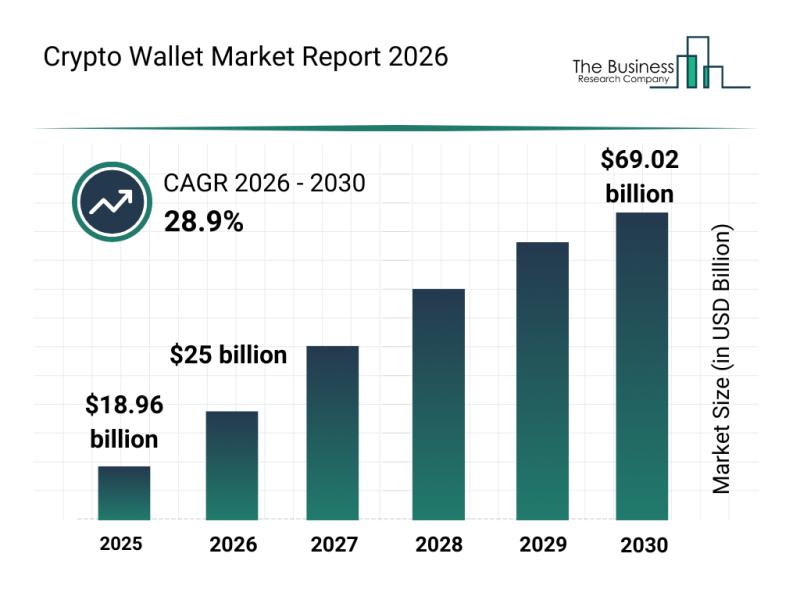
Look for wallets with transparent, third-party security audits. High scores often correlate with wallets that have undergone rigorous code reviews. Avoid wallets with a history of unpatched vulnerabilities or unclear security protocols, as these significantly lower your reputation score and increase exposure to exploits.
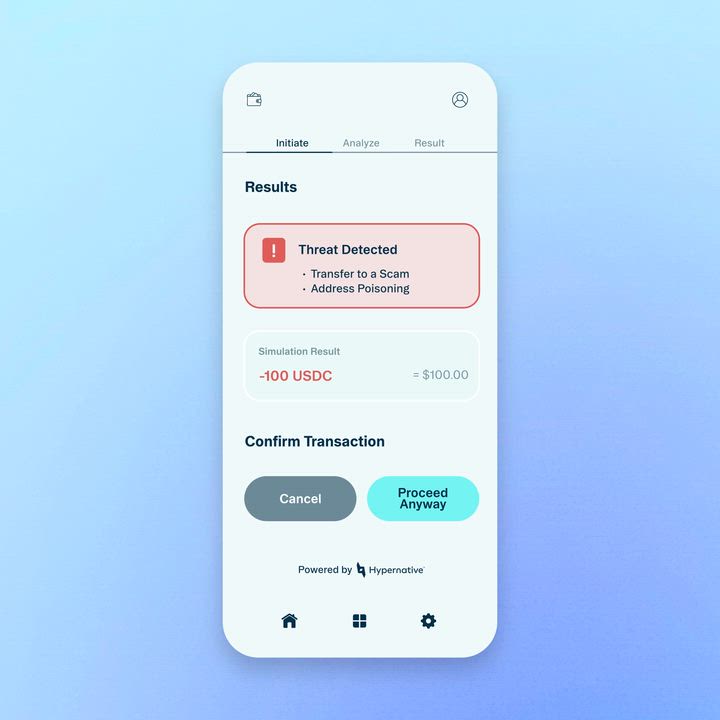
Reputation systems analyze your transaction history for signs of risky behavior, such as frequent interactions with known mixer services or high-risk contracts. Maintaining a clean transaction history by using reputable dApps and avoiding suspicious addresses helps preserve a high score, ensuring smoother access to liquidity pools.
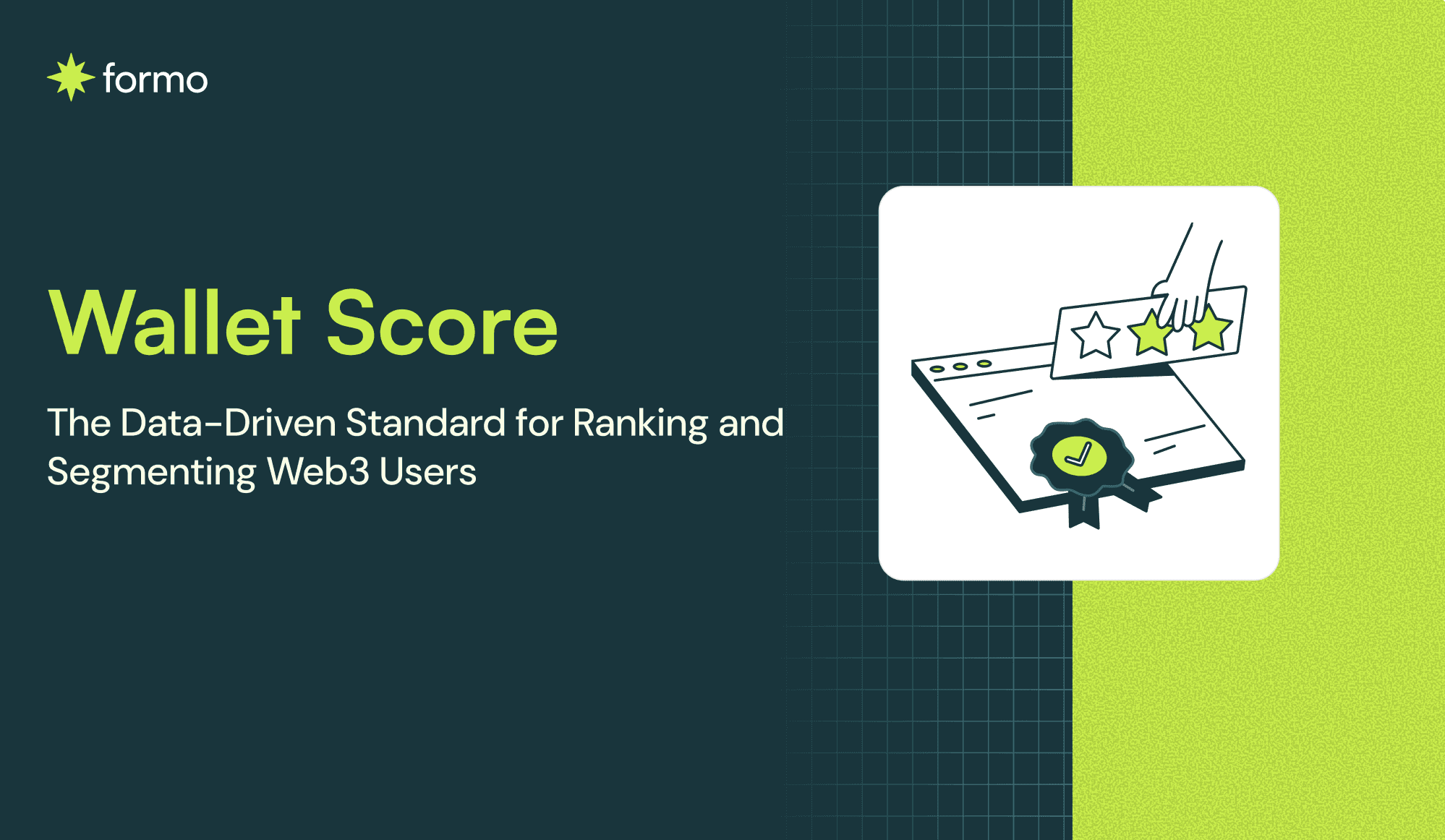
Choose wallets from developers who provide open-source code and active community support. Transparency in how the wallet handles private keys and data contributes to its overall trustworthiness. Wallets with a strong, responsive support team often have higher user satisfaction scores, which indirectly boosts their reputation metrics.
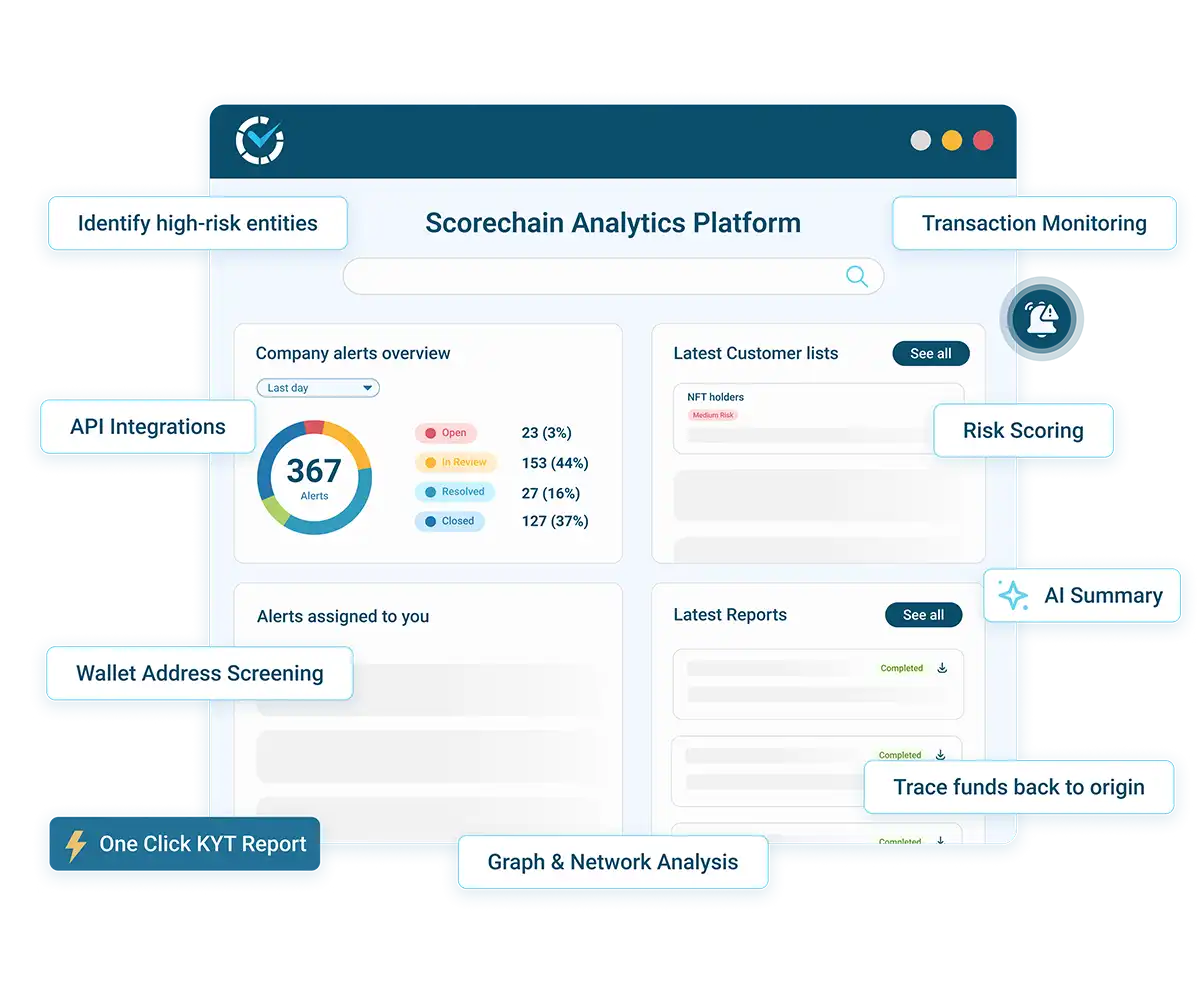
While reputation scores focus on trust, fee structures impact long-term value. Some wallets embed higher fees in their operations, which can affect your net returns. Compare the fee transparency of different wallets to ensure you are not penalized financially for using a reputable platform. Look for clear, upfront fee disclosures.
| Wallet Type | Avg. Reputation Score | DeFi Access Level | Security Risk |
|---|---|---|---|
| Hardware Wallet | 90-100 | Full | Low |
| Mobile Hot Wallet | 60-80 | Moderate | Medium |
| Web-Based Wallet | 40-60 | Limited | High |
Decision Framework for 2026
Selecting the right wallet depends on your primary use case. For high-value storage and maximum DeFi access, a hardware wallet is the standard choice, offering the highest reputation scores and lowest security risk. Mobile hot wallets are suitable for frequent, smaller transactions but may face access restrictions in stricter DeFi protocols. Web-based wallets should be avoided for significant holdings due to their lower security posture and limited access to high-tier DeFi opportunities.
Spotting Weak Reputation Scores
Not all wallet reputation systems are built the same. Some metrics rely on simple transaction volume, which can be gamed by wash trading, while others analyze behavioral consistency or on-chain history depth. A high score does not guarantee safety; it often just reflects activity level. Before trusting a score for DeFi access, you must understand what data it actually measures.
Common Mistakes in Wallet Scoring
Many platforms use outdated or opaque scoring models. They might ignore smart contract interaction risks or fail to penalize interactions with known malicious addresses. A score of 90/100 might look impressive, but if it ignores privacy protocol usage, it could mislabel a legitimate privacy-focused user as "risky." Always check the methodology behind the score.
The Problem with "Trust" Labels
Labels like "trusted" or "verified" are often marketing terms, not technical guarantees. A wallet might be "trusted" because it has been around for years, not because it is secure against new exploit vectors. Relying on these labels without checking the underlying on-chain behavior—like how often the wallet interacts with high-risk DeFi protocols—can lead to significant financial exposure.
What to Look For Instead
Focus on wallets that provide transparent scoring criteria. Look for systems that break down scores into specific components: transaction history, smart contract interaction safety, and device fingerprinting. A score that is broken down into these categories is more useful than a single aggregate number. It allows you to see exactly why a wallet is rated a certain way and make informed decisions about your DeFi interactions.
No comments yet. Be the first to share your thoughts!