What Wallet Reputation Scores Actually Measure
A wallet reputation score is a numerical metric—typically ranging from 0 to 100—that evaluates the trustworthiness and engagement of a blockchain address. Rather than judging a wallet by its balance, these scores analyze behavioral patterns, transaction history, and security hygiene to create a verifiable identity layer. This shift allows protocols to distinguish between legitimate users and bad actors without requiring centralized KYC documents.
The calculation relies on several distinct data points. Security checks examine how a wallet manages private keys and interacts with smart contracts. Engagement metrics track consistent usage over time, while risk flags identify associations with known illicit addresses or high-risk DeFi protocols. A high score signals a clean, active history, while a low score often indicates dormant activity or exposure to sanctioned entities.
For developers and platforms, this infrastructure simplifies compliance. Instead of manually reviewing every transaction, systems can automatically gate access based on reputation thresholds. This approach reduces fraud and enhances user experience by allowing trusted wallets to bypass friction-heavy verification steps, aligning with the emerging standards for Web3 identity.
Evaluating wallet reputation score choices that change the plan
No single metric captures the full picture of a wallet’s trustworthiness. New compliance standards demand that you weigh four distinct factors against each other. Each factor serves a different purpose: security, activity, risk, and longevity. Understanding these tradeoffs helps you choose the right reputation score for your specific use case.
Security History
This score tracks past vulnerabilities and exploits. It is the most critical baseline for any institutional onboarding. A high security score means the wallet has never been compromised or used in major breaches. However, this metric is backward-looking. A clean history does not guarantee future safety, especially if the user adopts new, untested protocols.
Transaction Volume
High transaction volume signals active engagement and liquidity. For DeFi platforms, this is often the primary filter for access tiers. A wallet with consistent daily activity is less likely to be a dormant honeypot. The tradeoff is that high volume can also indicate wash trading or money laundering attempts, requiring additional manual review.
Risk Exposure
Risk scoring evaluates connections to known bad actors, darknet markets, or sanctioned entities. This is the core of modern compliance. A low risk score is essential for regulated exchanges. However, this metric can be overly punitive. Users interacting with privacy coins or mixers may receive a poor score despite having legitimate intentions, creating friction for everyday users.
Account Longevity
Longevity measures how long a wallet has been active. Older accounts are generally viewed as more stable and less likely to be throwaway addresses used for fraud. This factor helps distinguish between long-term holders and short-term speculators. The downside is that it favors early adopters, potentially excluding newer but highly reputable users who have just entered the market.
| Factor | Strength | Weakness | Best Use Case |
|---|---|---|---|
| Security History | Proven resilience | Backward-looking | Institutional onboarding |
| Transaction Volume | Signals activity | Can indicate wash trading | DeFi access tiers |
| Risk Exposure | Compliance-ready | Overly punitive for privacy | Regulated exchanges |
| Account Longevity | Stability indicator | Biased toward early adopters | Fraud prevention |
Market Context for Reputation Infrastructure
The value of reputation data is tied to the broader crypto market. When volatility spikes, the need for robust identity verification increases. Tracking the performance of leading infrastructure tokens provides context for industry investment trends.
Choosing the Next Step in Wallet Reputation Scores
The shift from isolated security checks to holistic Wallet Reputation Scores requires a structured evaluation process. Compliance teams and developers must move beyond binary pass/fail metrics to understand the nuance of on-chain behavior. This framework guides you through selecting the right scoring model based on your specific risk appetite and integration needs.
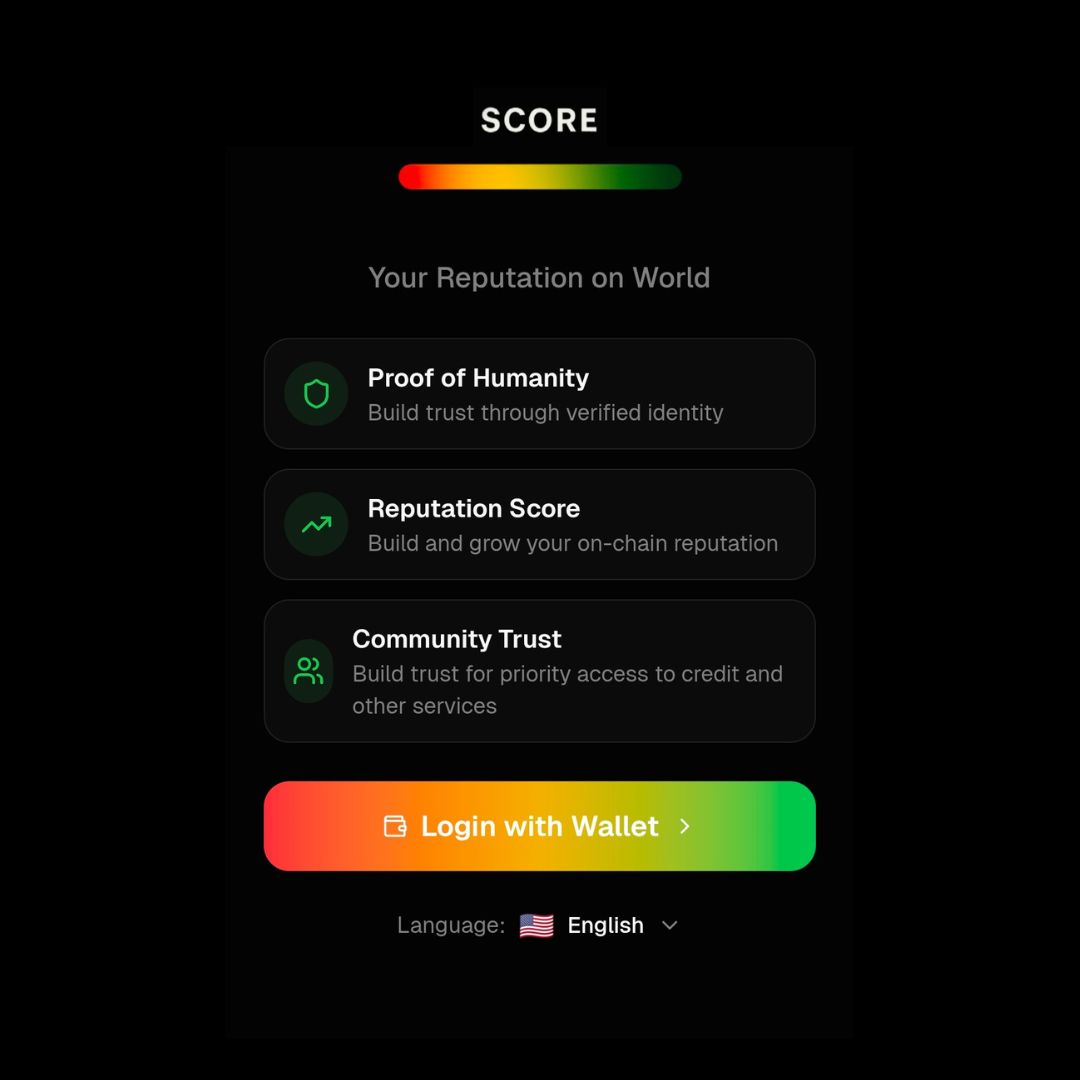
Start by identifying the primary threat vector you are mitigating. Are you focused on preventing illicit fund flows (AML compliance) or verifying user engagement for decentralized governance? High-stakes financial applications require strict security-first scoring, while social platforms may prioritize historical engagement and identity verification. Clarifying this intent prevents over-engineering your reputation stack.
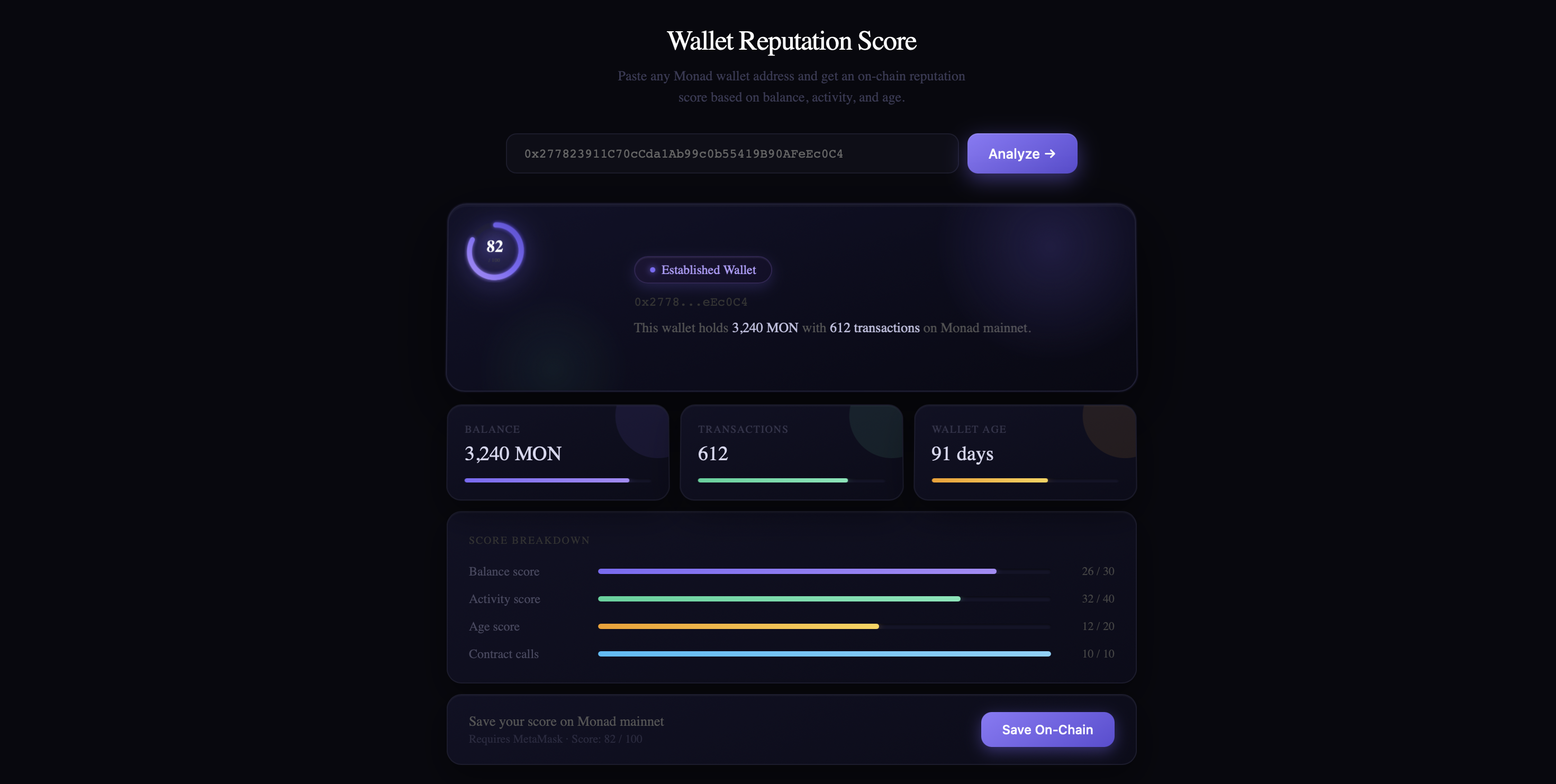
Not all reputation scores are created equal. Some providers rely solely on transaction history, while others incorporate off-chain identity signals or social graph analysis. Review the data sources each provider uses. A score based only on on-chain activity may miss sophisticated mixing techniques, whereas those incorporating verified identity layers offer higher assurance but may raise privacy concerns. Match the data depth to your regulatory requirements.
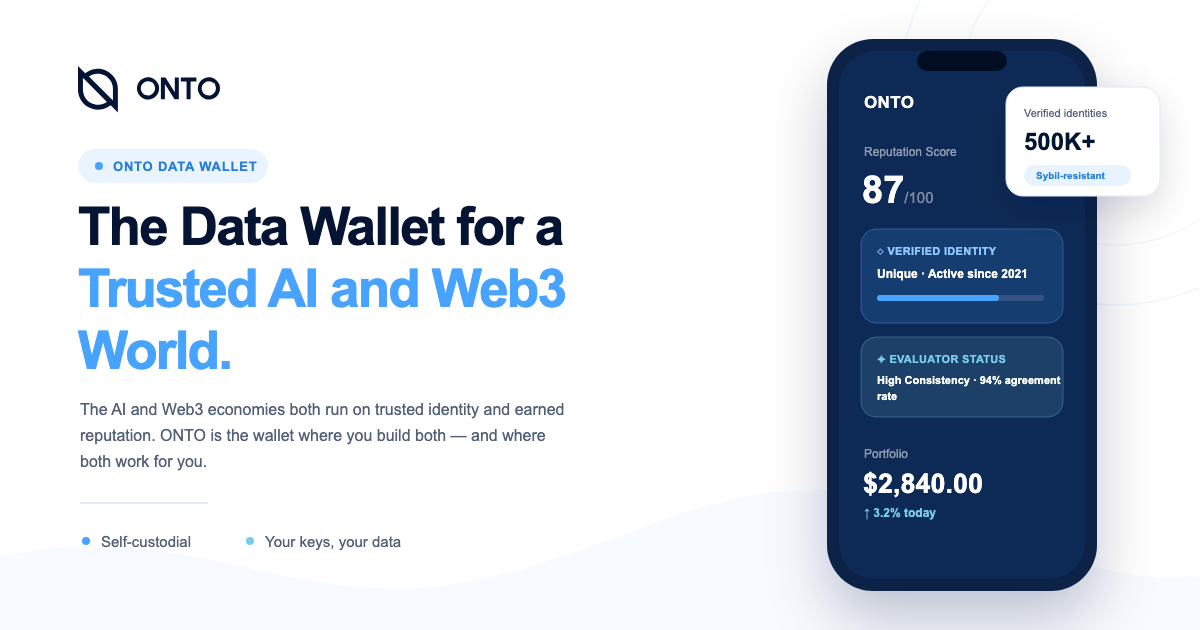
Consider the technical overhead of implementing the chosen reputation system. API latency, data refresh rates, and documentation quality significantly impact user experience. A complex scoring engine that requires multiple hops to resolve a single reputation metric can degrade application performance. Opt for solutions that offer clear SDKs and real-time data feeds to ensure seamless user onboarding and transaction processing.
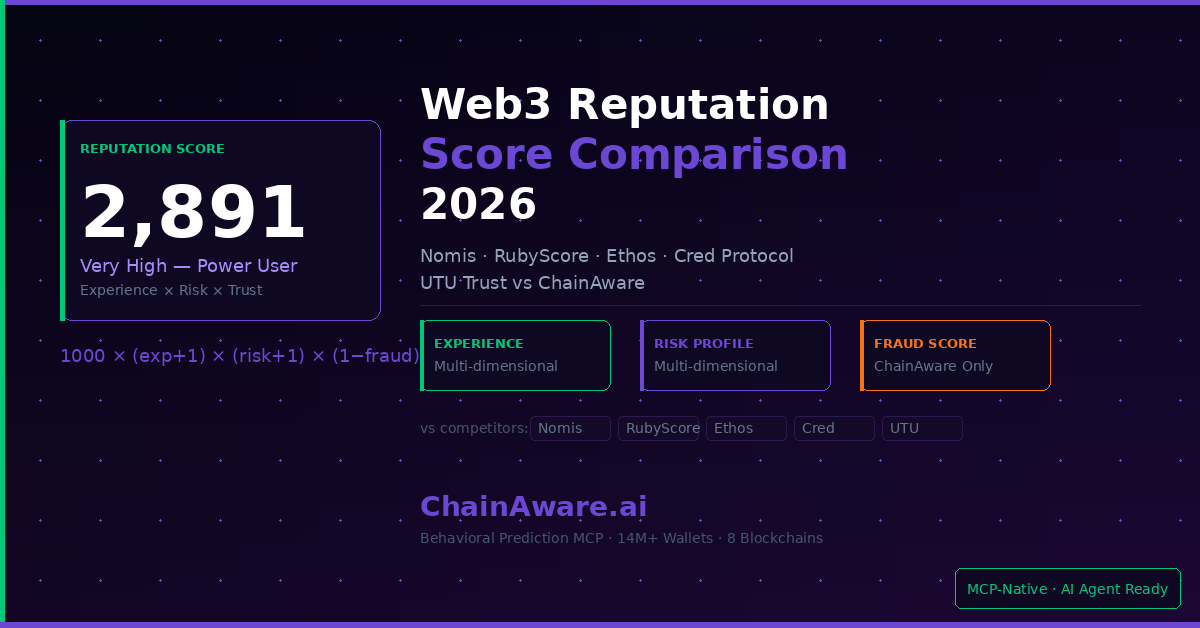
Before full deployment, simulate adversarial scenarios. How does the score react to new wallets with high-value transactions? Does it flag sybil attacks or coordinated manipulation? A robust reputation score must distinguish between genuine organic activity and synthetic inflation. Review case studies or whitepapers from the provider to understand their methodology for detecting and penalizing gaming attempts. This step is critical for maintaining the integrity of your platform’s trust layer.
By following this ordered approach, you can select a Wallet Reputation Score system that aligns with both your technical capabilities and compliance obligations. This ensures a resilient identity infrastructure that scales with the evolving Web3 landscape.
Watchouts: Weak Options and Misleading Claims
New compliance standards are reshaping Web3 identity infrastructure, but not all wallet reputation scores are built on equal footing. As the market matures, several common pitfalls emerge that can mislead developers and users alike. Identifying these weak options is critical for maintaining genuine trust.
The "Zero-Trust" Black Box
Many providers offer scores without disclosing their data sources or weighting algorithms. A score of 85 means little if you don't know whether it prioritizes transaction volume, social graph connections, or regulatory compliance flags. This opacity creates a false sense of security. Always demand transparency in the scoring methodology before integrating any third-party reputation layer.
Over-Reliance on Transaction History
Some models equate high transaction volume with high reputation. This is a dangerous oversimplification. A wallet could have thousands of transactions but be linked to mixers, sanctioned entities, or high-risk DeFi protocols. A robust score must distinguish between activity and intent. Look for solutions that incorporate behavioral analysis and risk flagging beyond simple volume metrics.
Static Scores Without Real-Time Updates
Reputation is dynamic. A wallet deemed "clean" yesterday might be compromised or involved in illicit activity today. Solutions that update scores on a weekly or monthly basis are obsolete in a fast-moving threat landscape. Ensure your chosen provider updates reputation data in near real-time to reflect current risks accurately.
Wallet reputation scores: what to check next
Wallet reputation scores are numerical metrics, typically ranging from 0 to 100, that evaluate a blockchain address’s trustworthiness and transaction history. Unlike traditional credit scores, these systems analyze on-chain behavior to flag potential risks or verify legitimacy.
What does a wallet reputation score measure?
A wallet reputation score measures the trustworthiness and reliability of a specific crypto address. It evaluates transaction patterns, links to known entities, and historical engagement to determine if an address is safe for interaction or high-risk for fraud.
How is a wallet reputation score calculated?
Scoring models rely on three main factors: transaction volume and frequency, interaction with blacklisted or sanctioned addresses, and the age of the wallet. Consistent, long-term activity with clean counterparts generally results in a higher score than new or erratic addresses.
Are wallet reputation scores standardized across the industry?
No, there is no single universal standard. Different platforms use varying algorithms to calculate scores. For example, some systems prioritize security checklists, while others focus on risk assessment based on transaction links. Always check which scoring model a specific dApp or exchange uses.
Can a bad wallet reputation score be fixed?
You cannot directly "repair" a score, but you can improve it over time. Avoid interacting with high-risk addresses, use hardware wallets for security, and maintain consistent, legitimate transaction patterns. A clean history gradually outweighs past negative flags.
No comments yet. Be the first to share your thoughts!