How wallet reputation scores work
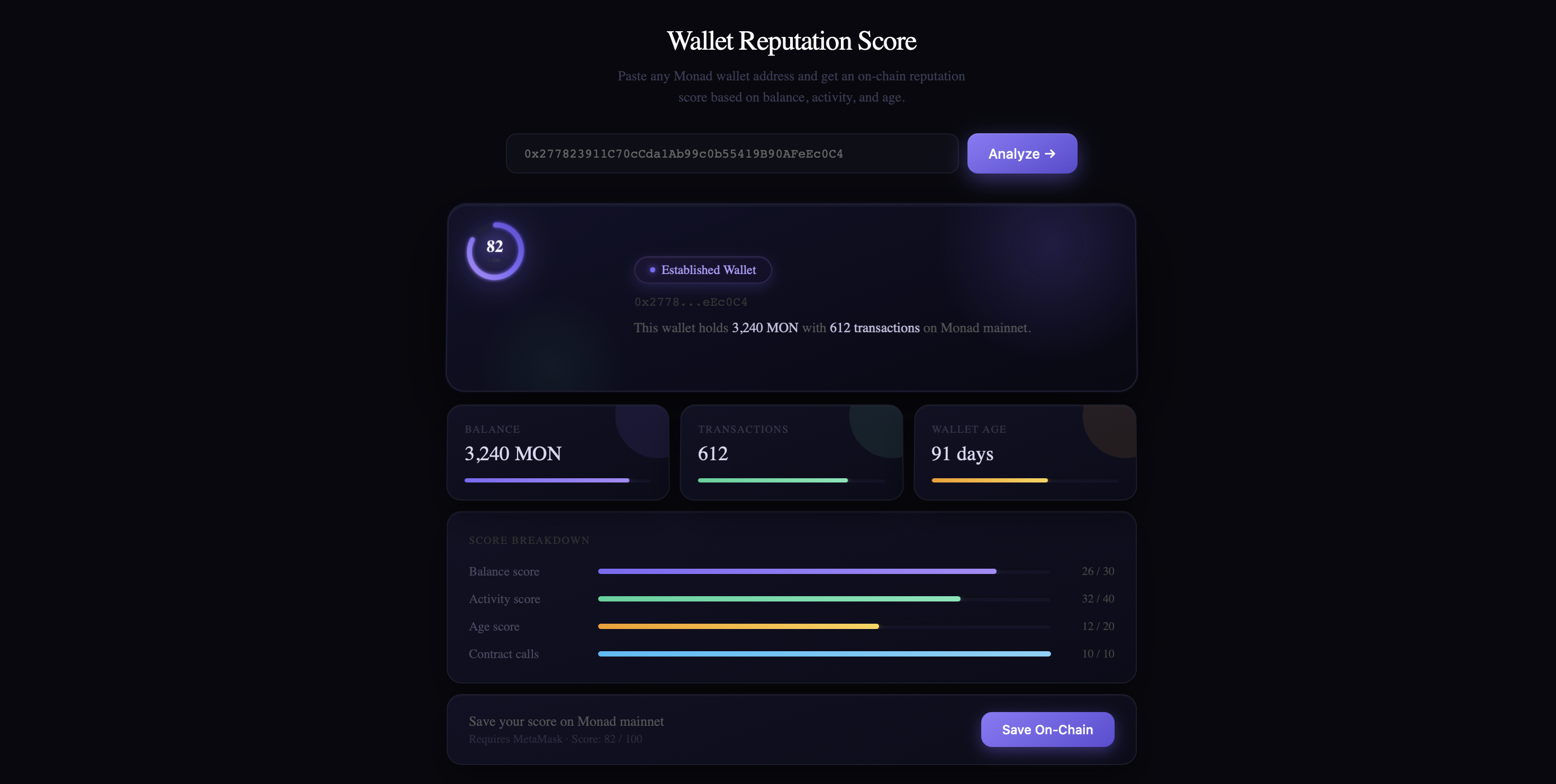
A wallet reputation score is a numerical metric, typically scaled from 0 to 100, that evaluates a blockchain address's trustworthiness, engagement, and long-term value. Unlike a credit score, which relies on traditional financial history, on-chain reputation scores analyze transaction patterns, contract interactions, and security posture to generate a risk profile. This data-driven standard allows protocols, exchanges, and DeFi applications to segment users and manage risk without relying on centralized identity verification.
The calculation process varies by provider but generally aggregates data from four core dimensions: security hygiene, transaction volume, token diversity, and interaction history. For instance, a wallet that consistently interacts with verified contracts and maintains a clean history of non-malicious transactions will score higher than one associated with mixing services or high-risk dApps. The most critical checks, such as exposure to known exploits or interaction with sanctioned addresses, often carry the highest weight, meaning a single bad interaction can significantly drop a score even if the rest of the history is pristine.
Understanding these constraints is vital for compliance infrastructure. Protocols using these scores to enforce KYC/AML requirements or to gate access to certain features must balance accuracy with privacy. A high score does not necessarily mean a wallet is "safe" from hacks, but rather that it behaves predictably and avoids suspicious activity patterns. This distinction helps developers design smarter onboarding flows and risk management systems that adapt to the evolving landscape of digital identity.
Wallet reputation score choices that change the plan
Evaluating a wallet reputation score requires balancing strict compliance against user privacy. No single metric captures the full picture of on-chain behavior. You must weigh how each provider weights factors like transaction history, counterparty risk, and identity verification. A score that looks safe for a DeFi protocol might flag a high-value individual as risky due to unverified interactions.
The primary tension lies between data depth and data privacy. Providers that pull from public blockchains offer transparency but lack off-chain context. Those requiring KYC data provide richer profiles but create privacy liabilities. Users often face a choice: accept broader surveillance for a higher trust score, or maintain anonymity at the cost of lower interoperability with regulated services.
Another critical tradeoff involves the scope of the blockchain network. Scores calculated across multiple chains (multi-chain) are more comprehensive but prone to fragmentation if data sources conflict. Single-chain scores are more precise for that specific ecosystem but fail to capture cross-chain risks. For example, a wallet might appear clean on Ethereum but interact with sanctioned addresses on a privacy-focused L2.
Finally, consider the update frequency. Real-time scoring reflects current behavior but can be volatile. Batch-processed scores are stable but may lag behind recent transactions. If you are integrating these scores into automated compliance workflows, you must define acceptable latency thresholds to avoid false positives during rapid trading.
| Provider | Primary Focus | Data Source | Privacy Impact |
|---|---|---|---|
| Formo | User Segmentation | On-chain + Off-chain | Medium |
| CoInspect | Security & Risk | Public Blockchain | Low |
| ChainAware | Behavioral Profile | Multi-chain History | High |
| Vezgo | Transaction Risk | Real-time Flows | Low |
Choose the Right Wallet Reputation Framework
Selecting a wallet reputation system requires matching the scoring model to your specific compliance needs. There is no universal standard; instead, providers focus on different aspects of on-chain behavior. Understanding these differences prevents integration errors and ensures your risk assessments align with regulatory expectations.
1. Define Your Primary Risk Metric
Start by identifying the specific threat vector you need to mitigate. Some frameworks prioritize transactional history, while others focus on identity verification or security hygiene.
- Transaction History: Best for screening users against sanctions lists or identifying exposure to mixers and darknet markets. This approach analyzes past interactions to predict future risk.
- Identity Verification: Ideal for KYC-heavy environments like DeFi lending or institutional custody. These scores rely on off-chain identity proofs linked to on-chain addresses.
- Security Hygiene: Focuses on wallet health, such as the use of hardware wallets or multi-signature setups. This is less about compliance and more about operational security.
2. Evaluate Data Coverage and Freshness
A reputation score is only as good as the underlying data. Ensure the provider updates their indices in real-time or near real-time. Delayed data can miss recent interactions with sanctioned entities or high-risk protocols.
Check if the provider covers all relevant chains. A score based solely on Ethereum data is insufficient for a multi-chain portfolio. Look for providers that aggregate data across Ethereum, Solana, BNB Chain, and other major networks to provide a holistic view.
3. Assess Integration Complexity
Consider how the scoring API fits into your existing infrastructure. Some providers offer simple REST APIs that return a single score, while others provide detailed breakdowns of risk factors.
For high-volume applications, latency matters. Test the API response times under load. Also, verify the documentation quality. Clear examples and sandbox environments reduce development time and minimize integration errors.
4. Review Transparency and Explainability
Regulators increasingly demand explainability in automated decisions. Choose a provider that offers detailed breakdowns of why a score was assigned.
A "black box" score is difficult to defend in audits. Look for providers that disclose their data sources and weighting methodologies. This transparency helps you build trust with users and comply with "right to explanation" regulations.
5. Compare Pricing Models
Pricing structures vary widely. Some providers charge per API call, while others offer tiered subscriptions based on the number of unique addresses screened.
Calculate the cost per user. If you screen millions of addresses annually, per-call pricing might be prohibitive. Conversely, if you only screen a few thousand high-value users, a subscription model may be more cost-effective. Always request a custom quote based on your projected volume.
Avoid Weak Reputation Options
Not all wallet scoring systems are built for the same risk profile. Many platforms advertise high scores based on activity volume rather than actual trustworthiness. A high transaction count does not equal safety; it often just means you are a bigger target for exploits. When evaluating on-chain identity infrastructure, distinguish between engagement metrics and security hygiene.
Some providers inflate scores by rewarding speculative trading or interactions with unverified contracts. This creates a false sense of security. A wallet may appear "active" and "high-scoring" while holding assets in protocols with known vulnerabilities. Always check the underlying checklist. Look for systems that penalize interactions with flagged addresses or smart contracts with audit failures.
The most common mistake is assuming a single universal score exists. Different validators use different weights. One system might prioritize long-term holding, while another rewards frequent DeFi usage. If you are building compliance infrastructure, ensure the scoring model aligns with your specific risk tolerance. Do not rely on generic "trust" badges without understanding the methodology behind them.
Watchout: Be wary of scores that do not disclose their data sources. If the methodology is opaque, the score is likely a marketing metric, not a security assessment.
Frequently asked questions about wallet reputation scores
What's a good reputation score?
A score between 70 and 80 is generally considered solid for most DeFi interactions. Scores above 80 signal high trustworthiness and often unlock better terms, such as lower collateral requirements on lending protocols. Below 50, you may face restrictions or require additional verification steps from compliant platforms.
What is the onchain reputation score and how is it calculated?
Onchain reputation scores are numerical metrics, typically ranging from 0 to 100, that evaluate a wallet’s trustworthiness based on transaction history. Providers like Formo and ChainAware analyze factors such as transaction frequency, interaction with known contracts, and absence of links to sanctioned addresses or fraud patterns to generate a behavioral profile.
Which crypto wallet is the most trustworthy?
Trustworthiness depends more on usage than software. Hardware wallets like Ledger or Trezor are secure for storage, but reputation scores are assigned to addresses, not apps. A cold storage address that only interacts with reputable DEXs will have a higher score than a hot wallet used for frequent high-risk transactions, regardless of the interface used.
What 6 things should you not carry in your wallet?
Avoid storing private keys or seed phrases digitally on any device connected to the internet. Do not keep unlimited funds in a wallet with a low reputation score used for mixing services. Additionally, avoid linking your primary identity wallet to high-risk DeFi protocols or unverified smart contracts that could compromise your onchain history.
No comments yet. Be the first to share your thoughts!