What wallet reputation scores measure
In 2026, a wallet reputation score is no longer a simple security rating. It is a behavioral intelligence metric that evaluates the trustworthiness and reliability of a wallet address or its associated platform based on on-chain activity. Unlike physical wallet quality assessments that focus on leather grade or stitching, digital reputation scores analyze transaction history, interaction patterns, and compliance alignment.
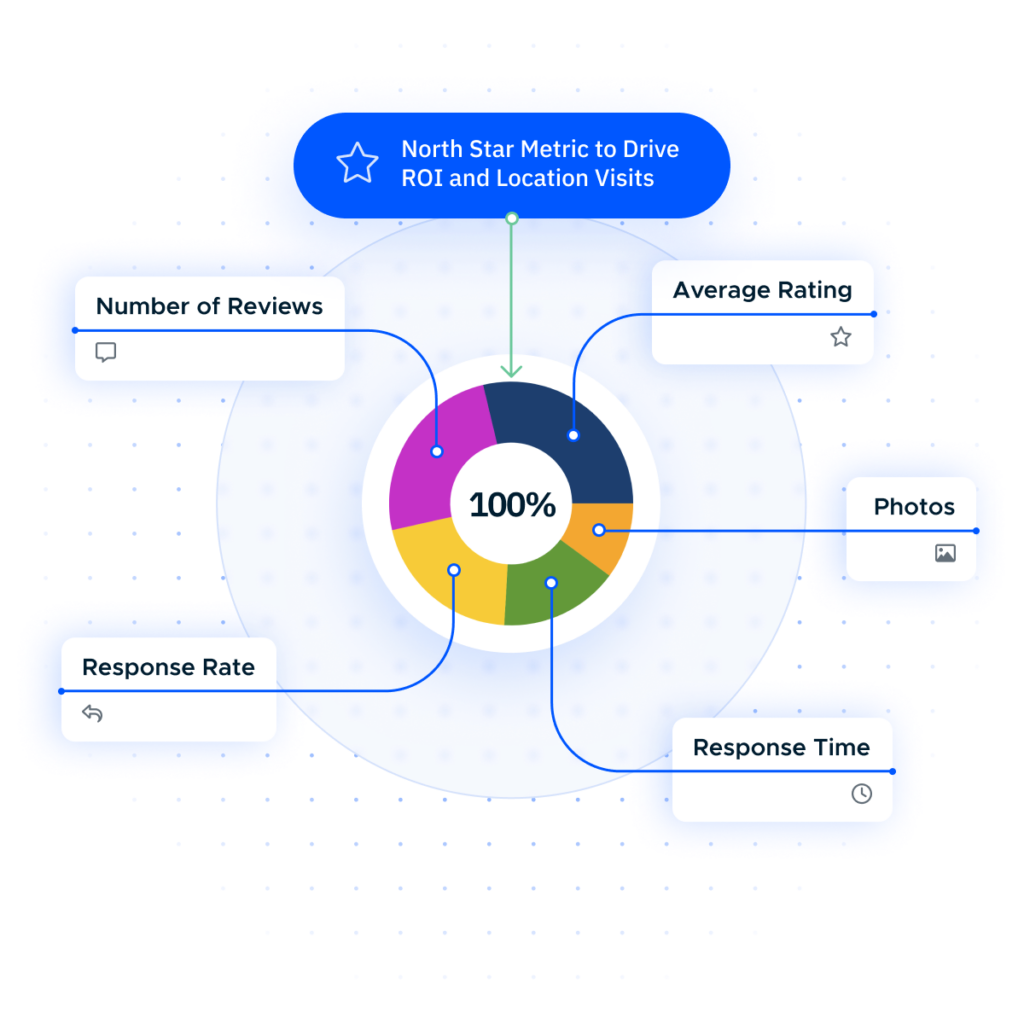
These scores synthesize multiple on-chain parameters into a single, digestible number. For example, Wallet Rank aggregates ten distinct behavioral indicators to provide a 0–100 score that reflects who the wallet owner is and how they operate within the network. This approach moves beyond binary "safe/unsafe" labels to offer a nuanced view of risk and reputation.
Understanding this distinction is critical for legal and regulatory compliance. A high reputation score signals consistent, compliant behavior, while a low score may indicate exposure to illicit activities or poor operational practices. This metric serves as a vital tool for assessing counterparty risk in an increasingly complex digital asset landscape.
Comparing Top Reputation Scoring Models
The market for on-chain reputation scoring is fragmented, with each provider adopting a different methodology to quantify trust. For legal and regulatory professionals, understanding these methodological differences is essential because they determine how a wallet’s history is interpreted. A score from one provider might flag a wallet as high-risk due to privacy tool usage, while another might view the same behavior as neutral or even positive.
Below is a direct comparison of the leading platforms: BitsCrunch, Nomis, RubyScore, and ChainAware. This table highlights their primary data sources, blockchain support, and focus areas to help you select the right tool for your specific compliance or risk assessment needs.
| Provider | Primary Focus | Key Data Sources | Blockchain Support | Output Format |
|---|---|---|---|---|
| BitsCrunch | Entity & Wallet Linking | On-chain transactions, entity databases | Multi-chain (EVM, Solana, etc.) | Risk Score (0-100), Entity Graph |
| Nomis | Real-World Identity | KYC data, off-chain identity proofs | EVM-focused | Nomis Score (0-100), Identity Attributes |
| RubyScore | DeFi & NFT Activity | DEX swaps, NFT trades, governance votes | EVM-focused | Ruby Score, Activity Tags |
| ChainAware | Compliance & AML | Sanctions lists, darknet markets, CEXs | Multi-chain | Compliance Score, Risk Flags |
Methodology Differences
BitsCrunch emphasizes entity resolution, linking multiple wallets to a single operator or organization. This is particularly useful for tracing fund flows across complex structures, though it requires careful interpretation of "entity" labels which are inferred rather than always legally verified.
Nomis stands out for its integration of off-chain identity data. By incorporating KYC (Know Your Customer) information where available, it provides a higher degree of confidence in the real-world identity behind an address, making it a strong candidate for traditional compliance workflows.
RubyScore focuses heavily on on-chain behavior within decentralized ecosystems. It scores wallets based on their activity in DeFi and NFT markets, offering a granular view of a user’s engagement level and sophistication, which is less relevant for pure AML screening but valuable for risk profiling in decentralized finance.
ChainAware is built with a strict compliance lens, prioritizing the detection of illicit activity by cross-referencing on-chain transactions with known sanctions lists and darknet marketplaces. Its output is designed to be actionable for regulatory reporting, flagging specific high-risk interactions.
Choosing the Right Model
There is no single "best" score. For high-stakes legal investigations, a combination of tools is often necessary. Use Nomis when real-world identity is the primary question. Use BitsCrunch or ChainAware when tracing illicit fund flows or sanctions evasion is the goal. Use RubyScore when assessing the behavior and sophistication of a DeFi participant.
EVM compliance and regulatory pressure
For institutions navigating the Ethereum Virtual Machine (EVM), the path to adoption is no longer just about technical interoperability; it is about regulatory survival. The decentralized nature of EVM chains creates a unique compliance headache: while transactions are transparent, the entities behind them are often pseudonymous. This opacity conflicts directly with the "travel rule" and Anti-Money Laundering (AML) directives enforced by bodies like the Financial Action Task Force (FATF).
Reputation scores have emerged as the necessary bridge between on-chain activity and off-chain accountability. By assigning a risk profile to a wallet address, these scores allow regulated entities to screen counterparties before executing transactions. This is not merely a technical filter; it is a legal safeguard. Without them, institutions face the prospect of accidental involvement in illicit flows, triggering severe penalties under current EVM compliance frameworks.
The pressure is intensifying as regulators tighten their grip on digital asset service providers. A reputation score acts as a digital KYC (Know Your Customer) layer, providing the audit trail required by law. It transforms raw blockchain data into actionable intelligence, allowing firms to assess the trustworthiness of a counterparty based on historical behavior rather than just current holdings.
This shift is driving a fundamental change in how EVM infrastructure is built. Compliance is no longer an afterthought but a core feature. Wallets and protocols that integrate reputation scoring are better positioned to serve institutional clients who cannot afford regulatory ambiguity. The result is a more mature ecosystem where trust is quantified, and risk is managed proactively.
Privacy infrastructure and score opacity
Reputation scoring operates on a fundamental tension: the more transparent the data, the more vulnerable the user. To build accurate behavioral models, scoring engines like Wallet Rank or Nomis aggregate extensive on-chain parameters, creating a detailed profile of a wallet’s activity. This transparency is necessary for risk assessment, but it often comes at the cost of user privacy.
This creates a "glass wallet" problem. When reputation scores are derived from fully visible transaction histories, they can inadvertently expose sensitive affiliations or financial behaviors. Privacy-focused infrastructure, such as zero-knowledge proofs or mixers, attempts to obscure these patterns. However, this opacity introduces a significant challenge for score accuracy. If the underlying data is hidden or encrypted, the scoring algorithm lacks the granularity needed to distinguish between legitimate activity and potential risk.
The trade-off is stark. High transparency allows for precise, real-time risk scoring but leaves users exposed to surveillance and potential exploitation. Conversely, strong privacy protections preserve user autonomy but result in lower-confidence scores, as the system cannot fully verify the entity's history. Navigating this landscape requires understanding that privacy is not just a technical feature, but a regulatory and ethical constraint that directly impacts the utility of reputation systems.
Choosing a reputation score strategy
Selecting the right reputation infrastructure requires aligning technical capabilities with your specific operational needs. Institutional compliance teams prioritize auditability and regulatory alignment, while DeFi protocols often value real-time behavioral intelligence and low-latency data feeds. There is no single best provider; the decision rests on which metrics matter most to your risk model.
1. Define your compliance requirements
If your use case involves institutional onboarding or AML/KYC integration, you need scores that are derived from transparent, auditable methodologies. Look for providers that explicitly detail how they weight illicit activity versus transaction volume. For example, Coinspect’s Security Score ranges from 0 to 100 based on four specific checklists, where the most critical security checks have the heaviest impact. This granularity is essential for legal teams that must justify risk assessments to regulators. Coinspect offers a clear framework for these structured evaluations.
2. Assess data freshness and coverage
For DeFi applications, stale data is a liability. Behavioral intelligence scores, such as those provided by Wallet Rank, synthesize multiple on-chain parameters to create a dynamic profile of a wallet’s identity. These scores update frequently to reflect recent activity, ensuring that your smart contracts or user interfaces react to current risk levels rather than historical footprints. Prioritize providers that offer real-time API access to these behavioral signals.
3. Evaluate technical integration
Ensure the provider’s API supports your tech stack, particularly if you operate across multiple EVM-compatible chains. Some providers specialize in specific ecosystems, while others offer broader coverage. Check for documentation on rate limits, data retention policies, and error handling. A robust integration minimizes downtime and ensures that your risk checks do not become a bottleneck for user experience.
4. Compare cost versus value
Reputation score APIs vary in pricing models, from pay-per-call to subscription tiers based on data volume. Calculate the expected query volume for your user base and compare it against the provider’s cost structure. Sometimes, a more expensive provider offers better accuracy or additional features that reduce overall operational risk. Always request a demo or sandbox access to test the quality of the data before committing to a contract.
| Feature | Coinspect | Wallet Rank |
|---|---|---|
| Score Range | 0-100 | 0-100 |
| Data Focus | Security Checklists | Behavioral Intelligence |
| Update Frequency | Event-driven | Real-time |
| Best For | Compliance & Audits | DeFi & Dynamic Risk |
Frequently asked questions about reputation scores
Reputation scores provide a quantitative measure of a wallet’s historical behavior and associated risk. Unlike generic quality metrics, these scores rely on on-chain data to evaluate trustworthiness.
No comments yet. Be the first to share your thoughts!