What a wallet reputation score actually measures
A wallet reputation score is a numerical value, typically ranging from 0 to 100, that quantifies how engaged and valuable a blockchain wallet is based on its on-chain activity Formo. However, "reputation" is not a single universal number. Different providers calculate this score using vastly different methodologies, and understanding the distinction is critical before you begin checking or improving your profile.
Behavioral reputation scores focus on positive engagement. They analyze transaction frequency, diversity of interactions, and historical consistency to determine how "valuable" a user is to the ecosystem. A high behavioral score signals to DeFi protocols or lenders that you are an active, reliable participant.
Security risk scores focus on potential threats. These scores evaluate transaction patterns and links to known malicious entities, sanctions lists, or high-risk exchanges. A low risk score (or high risk rating) indicates that your wallet may be associated with illicit activity, regardless of how "engaged" it appears.
When you check your wallet reputation, you must specify which lens you are using. A wallet can have a high behavioral score but a poor security risk score if it interacts with sanctioned addresses. Conversely, a wallet with low activity might have a perfect security score but a low reputation score for lack of engagement. Knowing which metric matters for your specific use case—whether it’s borrowing, trading, or compliance—determines which tool you should use first.
Check your current wallet score using these tools
To understand your on-chain profile, you need to connect your address to a reputation provider. These platforms analyze your transaction history, token holdings, and interaction patterns to generate a numerical score. Most providers use a 0 to 100 scale, where a higher number indicates a more engaged, secure, or "whale-like" profile.
The process is straightforward: select a provider, paste your wallet address, and wait for the algorithm to scan the blockchain. Below is the step-by-step sequence to retrieve your initial score using leading industry tools.
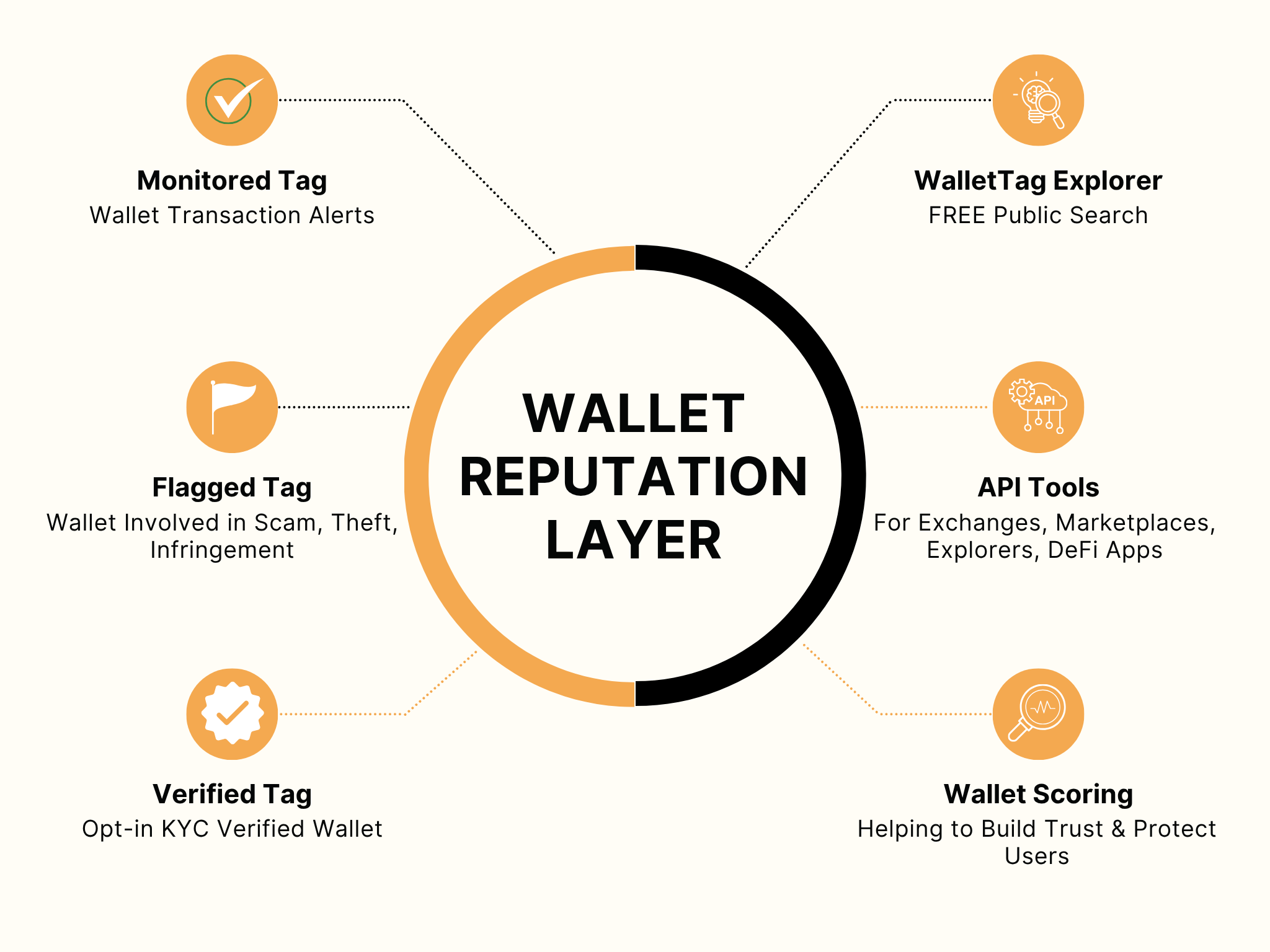
Formo is widely used by protocols to segment users based on engagement and value. To check your score, visit the Formo platform and connect your wallet or paste your public address. The tool evaluates 10+ on-chain parameters, including transaction frequency, unique token interactions, and protocol usage. It outputs a behavioral intelligence score that helps dApps understand if you are an active participant or a dormant holder.
While behavioral scores measure activity, security scores measure risk. Coinspect provides a Security Score ranging from 0 to 100 based on four strict checklists. Paste your address into their wallet security ranking tool to identify vulnerabilities. The algorithm flags interactions with malicious contracts, exposure to high-risk tokens, and poor key management practices. This score is critical for institutions vetting counterparties.
For a broader view of your reputation across ecosystems, use multi-chain aggregators like Nomis or RubyScore. These tools often provide a "Wallet Rank" or similar metric that synthesizes data from multiple blockchains. Enter your address to see how you compare against other users in your niche. These platforms are particularly useful for NFT collectors and DeFi power users who want a holistic view of their cross-chain influence.
After retrieving your scores, compare them across providers. A high behavioral score with a low security score suggests you are active but potentially careless with risk. Conversely, a high security score with low behavioral activity may indicate a "cold" wallet that is safe but inactive. Use this data to identify which aspect of your on-chain profile needs attention.

As an Amazon Associate, we may earn from qualifying purchases.
Improve your score by cleaning approvals and activity
Raising your wallet reputation score requires active hygiene. Scoring models penalize dormant wallets, excessive approvals, and interactions with flagged addresses. You can reverse these penalties by systematically reviewing your on-chain history and removing unnecessary risks.
Expired or unused approvals are a major red flag for risk algorithms. They indicate potential security vulnerabilities or abandoned interactions. Use a dedicated approval revocation tool to scan your wallet for all active allowances. Revoke permissions for any smart contract you no longer use. This reduces your attack surface and signals to scoring models that you are actively managing your security posture.
Scoring models look for healthy, organic usage. A wallet that only interacts with one protocol or one type of token may appear suspicious or bot-like. Spread your activity across different chains and verified protocols. Avoid rapid, high-volume transactions that resemble wash trading. Consistent, varied usage over time builds a more positive reputation profile than sporadic bursts of activity.
Your score is partially determined by the entities you transact with. If you send funds to addresses linked to scams, mixers, or sanctioned entities, your wallet’s risk score will drop. Before interacting with new projects, verify their contracts and community reputation. Use block explorers to check if a counterparty has been flagged by other security firms. Maintaining a clean counterparty list is essential for long-term score stability.
Dormant wallets often receive lower trust scores because their history is incomplete or outdated. Keep your wallet active by performing small, low-cost transactions regularly. This doesn’t mean spending heavily; it means demonstrating that the wallet is a living, managed asset. Regular activity helps scoring models update their data and confirms that you are the legitimate owner of the funds.
Interacting with unverified or high-risk smart contracts can tank your reputation score. Always check if a contract is verified on block explorers like Etherscan or Solscan. Look for audit reports from reputable firms before interacting with new DeFi protocols. If a contract has no verification or known security issues, avoid it. This simple check prevents accidental exposure to malicious code that could trigger security flags.
To keep your progress, regularly audit your wallet’s state. Use the following checklist to maintain your hygiene:
Compare top reputation providers for your needs
Choosing the right wallet reputation score depends on your immediate goal. Are you verifying compliance risks or seeking DeFi access? The tools below serve distinct purposes, and mixing them up can lead to false confidence.
| Provider | Primary Focus | Data Sources | Typical Use Case |
|---|---|---|---|
| ChainAware | Compliance & KYC | Regulatory databases, AML watchlists | Institutional onboarding, legal due diligence |
| RubyScore | Behavioral Intelligence | On-chain activity, transaction history | DeFi access, airdrop eligibility |
| Wallet Rank | Behavioral Score | 10 on-chain parameters | General wallet reliability assessment |
| Nomis | Identity Verification | Off-chain identity, on-chain links | Proof of Personhood, Sybil resistance |
ChainAware and Nomis prioritize identity verification and regulatory compliance. They pull from official databases and KYC records. If you are a business onboarding users, these are your primary checks.
RubyScore and Wallet Rank focus on on-chain behavior. They analyze transaction patterns to assign a score. This is useful for DeFi protocols assessing risk or users checking their eligibility for rewards.
Match the tool to the task. Use compliance-focused tools for legal checks. Use behavioral tools for access and reputation.
Common mistakes that tank your wallet reputation
A clean transaction history is fragile. One interaction with a sanctioned address or a high-risk mixer can drag your wallet risk score down instantly. Compliance teams and DeFi protocols often use automated filters to flag these patterns, making prevention far easier than remediation.
The most frequent error is leaving high-risk approvals open. When you approve a contract to spend your tokens, you are granting it permission to move funds without further consent. If that contract is later compromised or flagged as malicious, your wallet becomes an indirect participant in the breach. Revoke unused approvals regularly using tools like Revoke.cash to keep your exposure minimal.
Interacting with mixers is another quick path to a low reputation score. Services like Tornado Cash are often blacklisted by major exchanges and compliance providers. Even if your intent was privacy, the on-chain record shows a link to a sanctioned entity. Avoid these protocols entirely if you plan to use your wallet for institutional or regulated activities.
Finally, be cautious when signing transactions from unknown dApps. Phishing sites often mimic legitimate interfaces to trick you into signing malicious approval requests. Always verify the contract address and domain before signing. A single bad signature can taint your wallet’s history, making it difficult to prove your assets are clean later.
No comments yet. Be the first to share your thoughts!