From Anonymity to Verifiable Identity
The cryptocurrency landscape has undergone a fundamental structural shift. What began as an experiment in pseudonymous finance is rapidly maturing into a regulated asset class where identity is not just encouraged, but mandated. For institutional players and high-net-worth individuals, the era of hiding behind a string of alphanumeric characters is effectively over. The primary driver of this change is not technological preference, but regulatory pressure.
Governments worldwide are tightening compliance frameworks, requiring financial institutions to perform rigorous due diligence on all counterparties. In this context, wallet reputation scores analysis has become a critical component of risk management. These scores provide a quantifiable metric for trust, allowing entities to assess the history and reliability of a wallet address before engaging in any transaction. Without such verification, the legal and financial exposure associated with anonymous interactions is simply too high for serious market participants.
This transition mirrors traditional banking’s Know Your Customer (KYC) protocols, but applied directly to the blockchain layer. A wallet’s reputation is no longer a vague concept; it is a calculated data point derived from transaction history, association with known entities, and adherence to network standards. As regulatory scrutiny intensifies, the ability to instantly verify a counterparty’s reputation score will determine who can operate efficiently and who remains on the sidelines. The infrastructure for this trust is now being built, and it relies entirely on the analysis of on-chain behavior rather than off-chain assurances.
How reputation scores are calculated today
Wallet reputation scores analysis relies on aggregating granular on-chain data to produce a single trust metric. Unlike credit scores that track payment history, crypto reputation systems evaluate the behavior of a wallet address and its connections. The goal is to quantify trustworthiness by examining transaction patterns, known associations, and risk flags.
The process typically follows a four-step framework outlined by industry standards like Elliptic. First, the system screens the wallet address against known entities. Second, it analyzes the transaction history and associations to identify unusual activity. Third, it assigns a risk score based on the density of these connections. Finally, it triggers alerts or restrictions if the score falls below a certain threshold.
Transaction history and patterns
The primary input for any wallet reputation score is the transaction history. Systems track the frequency, volume, and timing of transfers. A wallet that consistently moves small amounts to verified exchanges may score higher than one that receives large, irregular transfers from mixers or darknet markets. The clarity of the transaction trail matters as much as the volume.
Associations and network analysis
Reputation is rarely calculated in isolation. Wallets are linked through shared ownership, common funding sources, or frequent interactions. If a wallet frequently interacts with addresses flagged for sanctions or fraud, its reputation score drops. This "guilt by association" model is central to how platforms like bitsCrunch and Vezgo evaluate risk, as it helps identify hidden networks of illicit activity.
Risk flags and scoring models
Different providers use varying scales, but the underlying logic remains consistent. A score of 80 or higher on a 0–100 scale is typically considered excellent, indicating low risk. Flags are applied for interactions with high-risk entities, such as sanctioned addresses or known hack wallets. These flags are weighted, meaning a single interaction with a sanctioned entity can have a more severe impact than dozens of minor irregularities.
Identify the address against known databases of sanctioned entities, darknet markets, and high-risk exchanges.
Map the flow of funds to identify links to illicit sources or unusual transaction patterns.
Calculate the final reputation score based on the weighted severity of identified risks.
Automate responses such as freezing assets, requiring additional verification, or blocking transactions.
Comparing leading reputation scoring models
Understanding wallet reputation scores analysis requires looking beyond a single number. Different providers weigh risk factors differently, meaning a wallet flagged as "high risk" by one model might appear clean in another. This discrepancy often stems from the specific data sources each platform prioritizes and the strictness of their thresholds.
To help you navigate these differences, we compare three dominant approaches: Coinspect’s security-focused checklist, bitsCrunch’s on-chain reputation metrics, and Elliptic’s compliance-driven risk screening.
| Provider | Primary Focus | Score Range | Key Metrics | Best Use Case |
|---|---|---|---|---|
| Coinspect | Technical Security | 0-100 | Address age, transaction volume, known entity associations | Verifying wallet hygiene and basic security posture |
| bitsCrunch | On-Chain Reputation | 0-1000 | Historical behavior, counterparty trust, platform reliability | Assessing long-term trustworthiness and reliability |
| Elliptic | Regulatory Compliance | Risk Levels (Low/Med/High) | Sanctions hits, darknet exposure, money laundering patterns | Institutional due diligence and AML/KYC screening |
Coinspect approaches wallet reputation scores analysis through a security checklist lens. Their model assigns a score between 0 and 100 based on four core checklists, giving more weight to critical security failures. This makes it highly effective for identifying technical vulnerabilities or associations with known malicious entities, though it may not capture nuanced behavioral risks. You can explore their methodology at Coinspect Wallets.
bitsCrunch takes a different angle by focusing on on-chain reputation. Their score, ranging from 0 to 1000, evaluates the trustworthiness of a wallet based on its transaction history and associations. This model is particularly useful for understanding the reliability of a wallet or its associated platform over time, offering a broader view of behavioral patterns than simple security checks. Visit bitsCrunch to see their interface.
Elliptic serves the institutional and regulatory side of the spectrum. Their wallet screening process involves screening the address, analyzing transaction history, and assigning a risk level. This approach is critical for compliance teams needing to identify exposure to sanctions, darknet markets, or money laundering. For a detailed breakdown of their screening steps, refer to Elliptic’s guide.
When selecting a tool, consider your primary goal. If you need to verify technical security, Coinspect’s 0-100 scale is straightforward. For behavioral trust, bitsCrunch’s 1000-point system offers granularity. For legal compliance, Elliptic’s risk levels provide the necessary regulatory context. Always cross-reference scores across multiple providers to get a complete picture of a wallet’s reputation.
Zero-knowledge proofs and privacy-preserving scores
Traditional wallet reputation scores often require users to expose their entire transaction history to a central verifier. This creates a privacy paradox: to prove you are trustworthy, you must reveal your financial habits. Zero-knowledge proofs (ZKPs) resolve this by allowing a user to demonstrate compliance with specific criteria without revealing the underlying data. This approach is becoming essential for high-stakes legal and regulatory analysis, where privacy is as critical as trust.
With ZKPs, a wallet can generate a cryptographic proof that it meets certain reputation thresholds—such as having no ties to sanctioned addresses or maintaining a minimum activity level—without disclosing the specific transactions involved. This preserves the user's anonymity while satisfying the due diligence requirements of institutional counterparties. The result is a system where wallet reputation scores analysis can occur without compromising the fundamental privacy principles of blockchain technology.
Implementing this infrastructure requires rigorous verification standards. Official protocols must ensure that the zero-knowledge circuits are audited and that the proof verification is efficient enough for real-time compliance checks. As regulatory frameworks evolve, the ability to provide privacy-preserving proof of reputation will likely become a standard requirement for legitimate Web3 interactions.
Practical steps to improve your wallet score
Building a positive wallet reputation score is not about a single transaction; it is about consistent hygiene. Scoring engines, such as those from Coinspect or Vezgo, evaluate risk by analyzing transaction patterns and links to known entities. A score of 80 or higher on a 0–100 scale is typically considered excellent, but reaching it requires deliberate behavior.
Think of your wallet as a digital identity. Just as a credit score drops when you miss payments or apply for too many cards, a wallet reputation score suffers when you interact with high-risk addresses or exhibit erratic transaction patterns. The following steps outline the core behaviors that compliance algorithms look for.
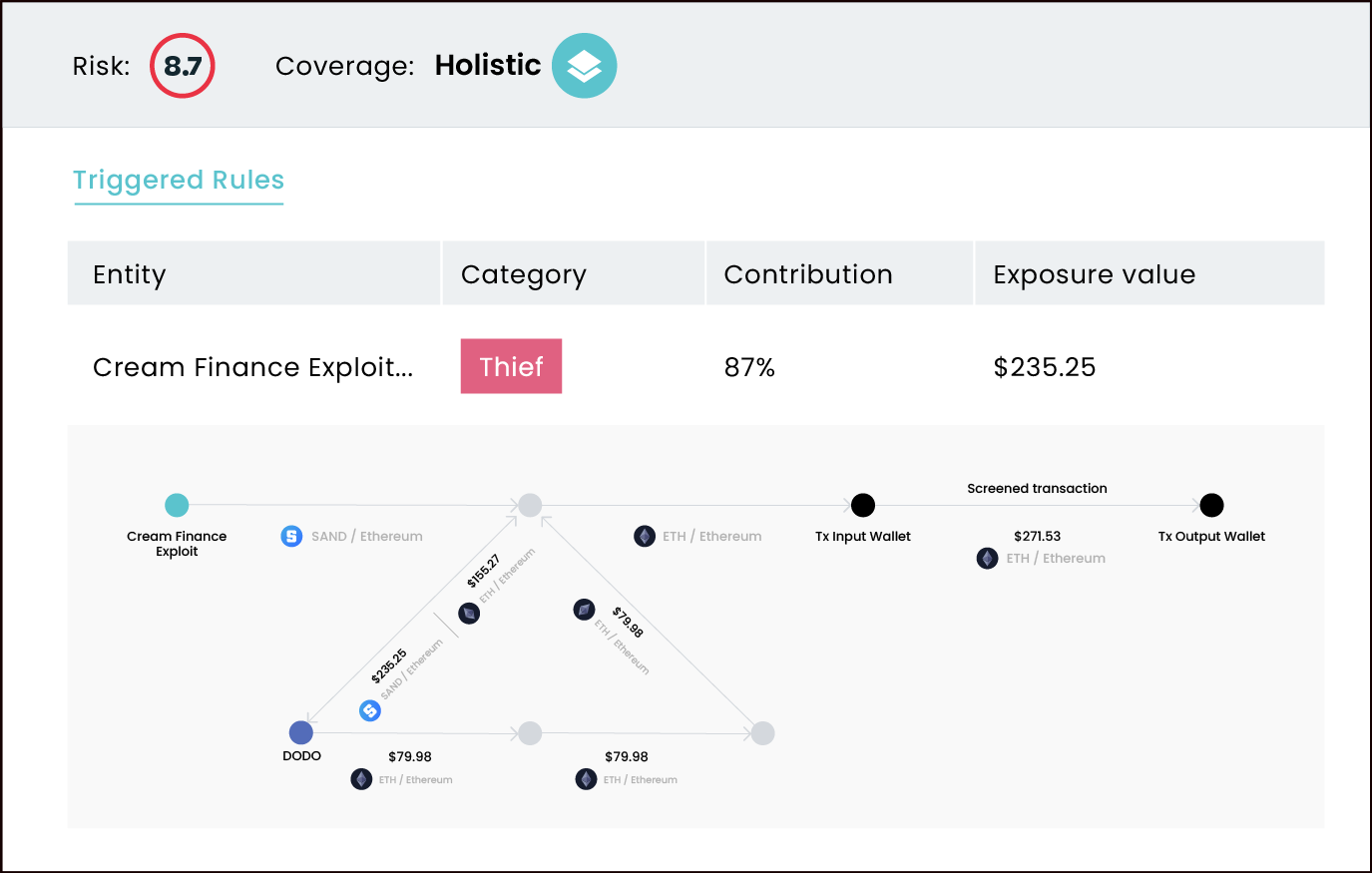
The fastest way to tank your score is interacting with addresses flagged for illicit activity. This includes mixing services, darknet markets, or sanctioned entities. Even accidental exposure to these funds can trigger a "guilt by association" flag. Always verify the source of incoming funds before accepting them into your primary wallet.
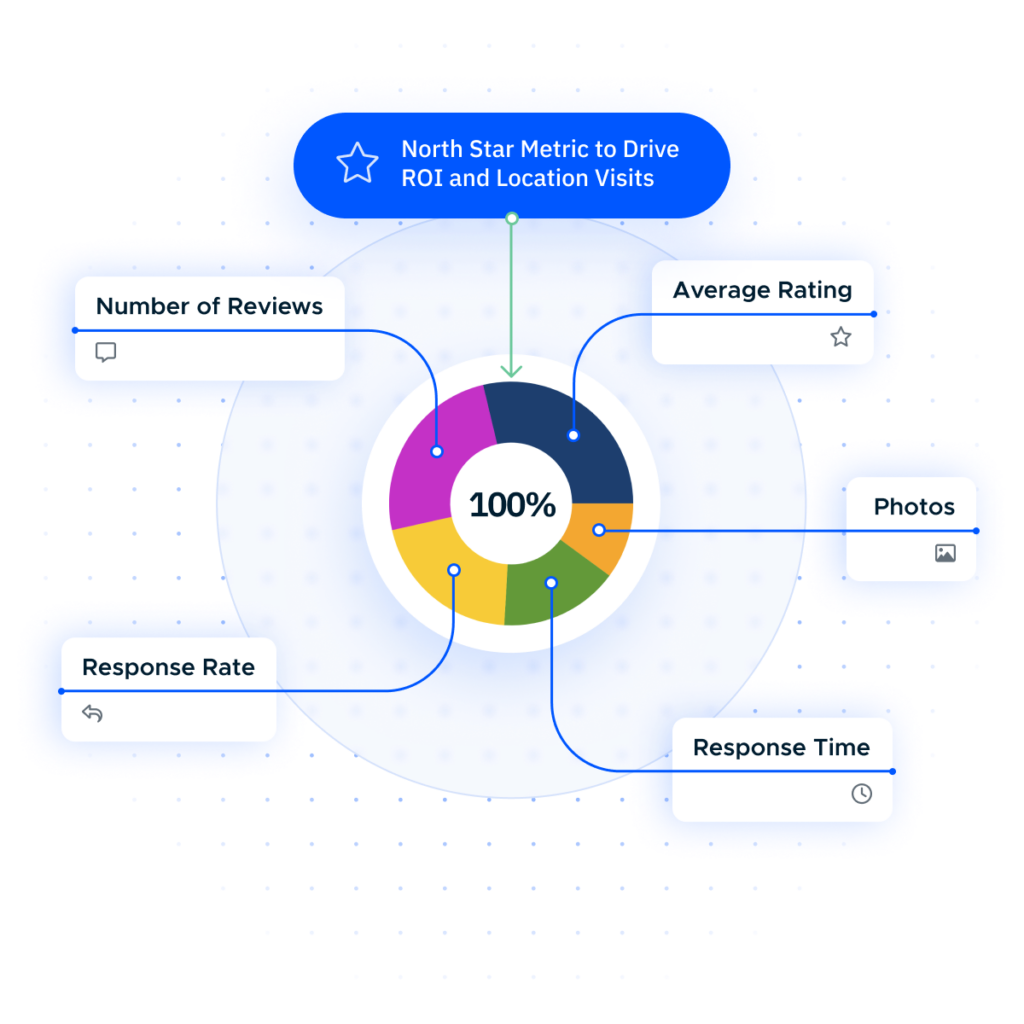
Scoring models look for anomalies. Sudden, large transfers to unknown addresses or rapid "chain-hopping" between different blockchains can signal money laundering. Stick to regular, predictable usage patterns. If you must move large sums, do so through regulated exchanges or known institutional wallets that have established trust with scoring providers.
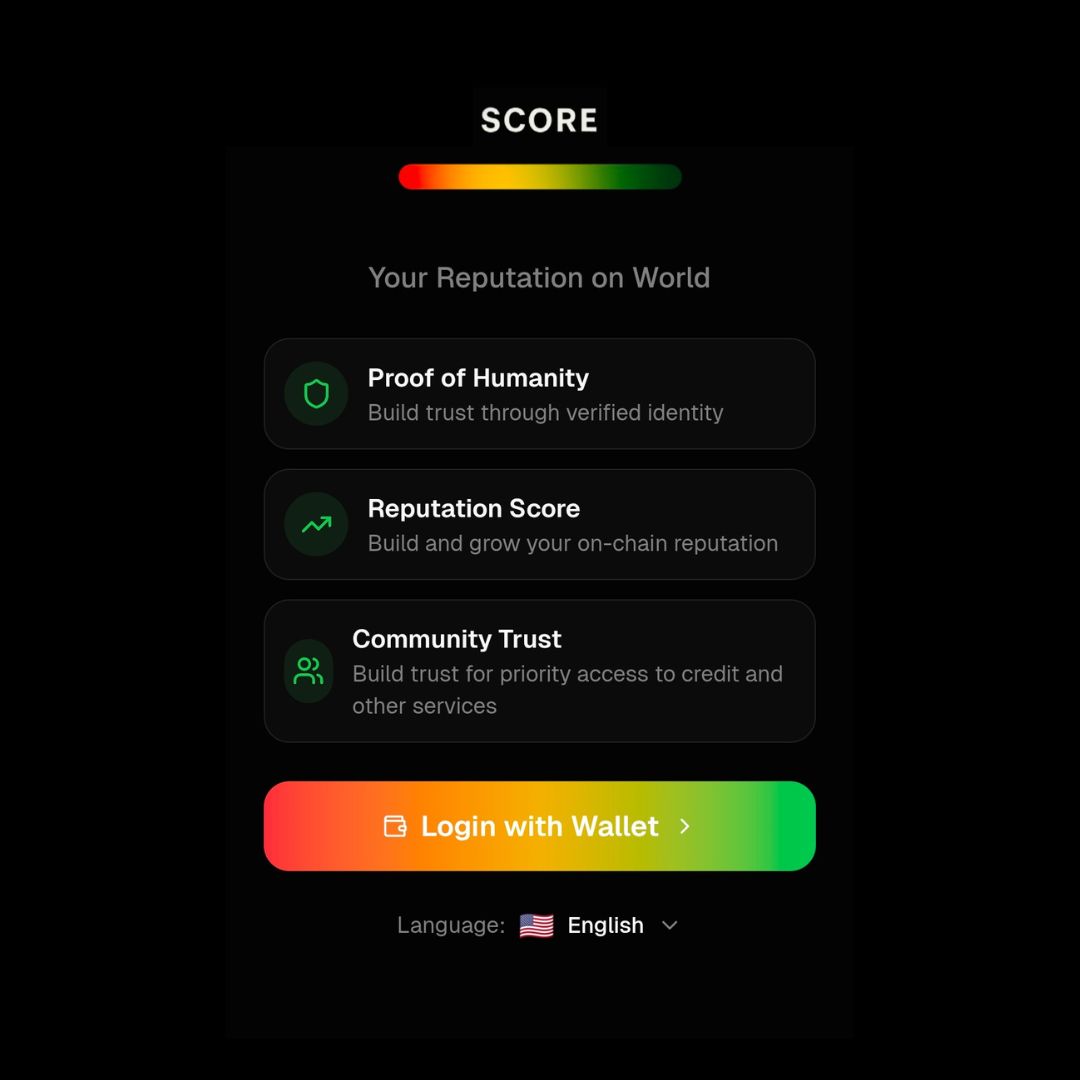
Where possible, link your wallet to verified identity protocols. Services like World ID or ENS integration provide a layer of authenticity that helps distinguish you from bot farms. A wallet with a known, verified owner is inherently less risky than an anonymous, cold-storage address with no history.
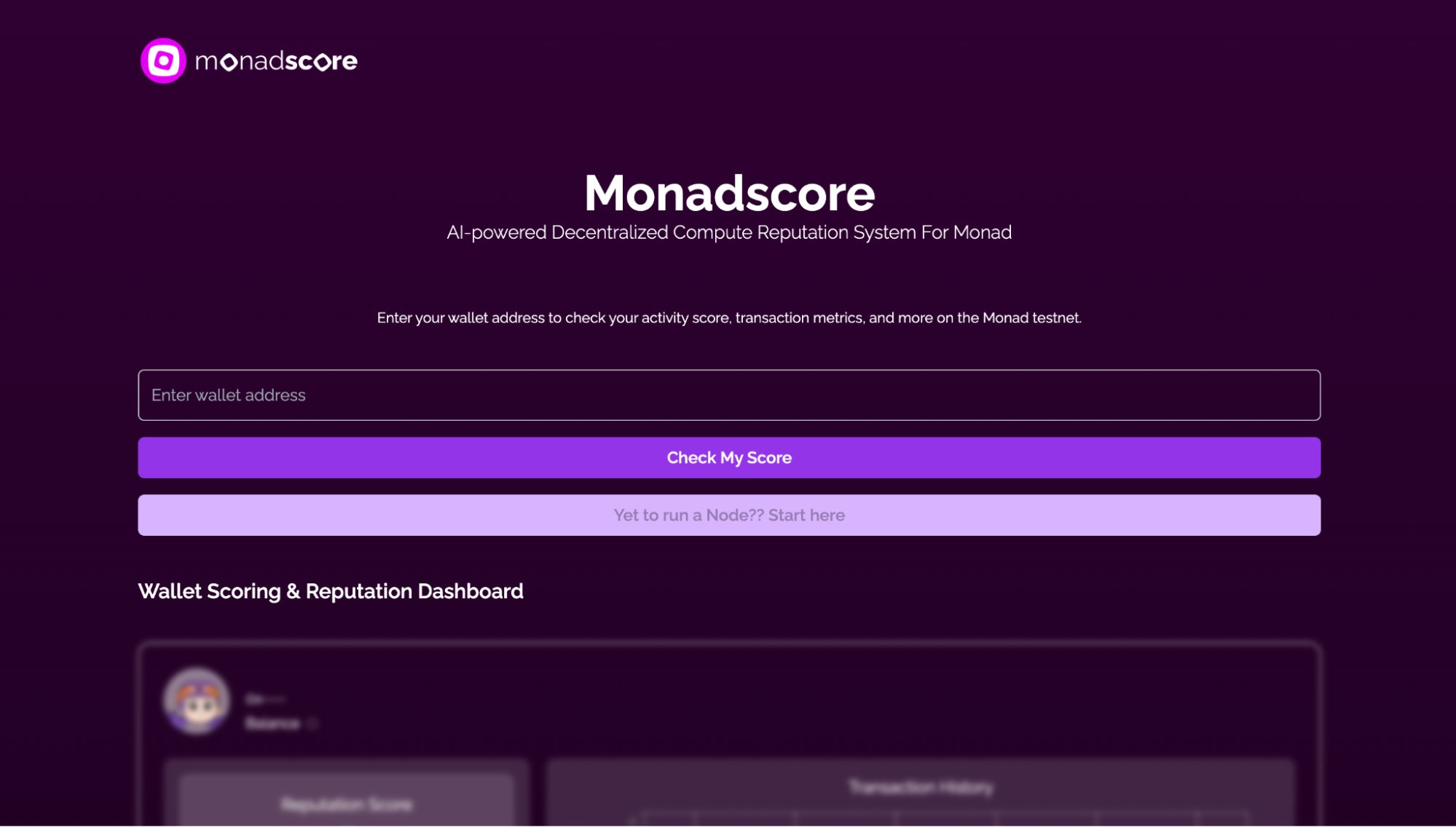
Use tools like Coinspect or Vezgo to periodically check your wallet's risk profile. These tools simulate how compliance algorithms view your address. If you see a drop in score, investigate the specific transactions causing the flag and consider moving those funds to a "clean" address if necessary.
Improving your score is a long-term game. Consistency and transparency are your best assets in the evolving landscape of crypto compliance.
Frequently asked questions about reputation scores
Wallet reputation scores analysis often centers on specific thresholds and verification methods. Understanding these metrics helps distinguish legitimate on-chain activity from potential risks.
No comments yet. Be the first to share your thoughts!