What wallet reputation scores measure
Wallet reputation scores are numerical indicators, typically ranging from 0 to 100, that assess the trustworthiness and value of a blockchain address. They represent a shift from simple balance metrics to a convergence of risk assessment and identity verification. Instead of asking how much a wallet holds, these scores evaluate how the wallet moves through the network.
A wallet reputation score measures engagement and history. It looks at transaction patterns, links to known entities, and compliance with regulatory standards. This data-driven approach helps platforms segment users and qualify their risk exposure. For example, a score might reflect whether an address has interacted with sanctioned entities or mixed funds.
These scores are essential for high-stakes legal and regulatory compliance. They allow institutions to verify identity signals without relying solely on self-reported information. By analyzing transaction history, reputation scores provide a clearer picture of a wallet's behavior over time.
The 2026 compliance standard relies on this depth of data. It moves beyond the superficial view of total holdings to include the context of every interaction. This level of scrutiny is necessary to maintain integrity in a decentralized ecosystem.
EIP-712 and the new identity layer
EIP-712 introduced typed structured data signing to Ethereum, fundamentally changing how wallets communicate intent. Before this standard, signing was often a blunt instrument—users approved broad permissions or signed opaque hashes that revealed little about the specific action. EIP-712 allows dApps to present human-readable, structured messages that clearly define what is being signed. This granularity is essential for reputation systems, where precision matters more than volume.
For wallet reputation scores, EIP-712 enables verifiable, granular data exchange. Instead of exposing raw private keys or broad access tokens, dApps can request specific reputation attributes—such as transaction history, holding duration, or compliance status—through typed messages. The wallet signs only the relevant data fields, ensuring that sensitive information remains private while still providing proof of reputation.
This approach shifts the identity layer from opaque trust to verifiable structure. Users retain control over their data, granting access only to the attributes necessary for a specific interaction. dApps, in turn, receive standardized, signed data that can be instantly validated against on-chain records. This reduces fraud and enhances the reliability of reputation scoring, making it a critical component of the 2026 compliance standard.
The data behind the score
A wallet reputation score is not a single number pulled from thin air. It is a composite metric built from several distinct data streams. Compliance teams rely on these inputs to distinguish between a user who simply transacts frequently and one who interacts with high-risk entities. Understanding these inputs helps you evaluate the reliability of any scoring model.
Transaction frequency and velocity
How often a wallet moves funds matters, but it is not just about the count. Scoring engines look at velocity—how quickly assets move through the wallet in short windows. A sudden spike in transaction volume can trigger a risk flag, even if the total amount remains within normal limits. This pattern often indicates layering attempts or rapid fund movement designed to obscure origins.
Counterparty risk analysis
Every transaction connects two points. Reputation models map your wallet’s direct and indirect connections to known bad actors. If your wallet interacts with addresses linked to mixers, ransomware groups, or sanctioned entities, your score drops. The depth of the connection matters; a direct transfer to a flagged address carries more weight than a distant indirect link.
Compliance flags and sanctions screening
Real-time monitoring checks every incoming and outgoing transaction against global sanctions lists and law enforcement databases. If a wallet receives funds from a source recently added to a OFAC list, the score reflects this immediately. These flags are binary but critical; they override other positive behaviors like long-term history or low transaction volume.
Comparing major scoring providers
Not all reputation scores measure the same thing. Formo, Coinspect, and TRM Labs each target different compliance needs, from user segmentation to regulatory enforcement. Understanding these methodological differences is essential for selecting the right tool for your specific risk profile.
| Provider | Core Methodology | Primary Risk Focus | Key Compliance Features |
|---|---|---|---|
| Formo | Data-driven engagement metrics (0-100 scale) | User value and activity segmentation | Wallet scoring for KYC/AML tiering |
| Coinspect | Security checklists with weighted critical checks | Wallet security posture | Security score (0-100) for asset protection |
| TRM Labs | Activity, connections, and flagged entity associations | Real-time illicit activity detection | Screening and monitoring for sanctions/AML |
Formo’s approach centers on quantifying wallet engagement. Their Wallet Score ranges from 0 to 100, measuring how valuable and active a user is. This is particularly useful for platforms looking to segment users based on activity levels rather than just risk. It’s a data-driven standard for ranking and segmenting web3 users, making it ideal for product-led growth strategies that require nuanced user profiling.
Coinspect focuses heavily on the security posture of the wallet itself. Their Security Score is derived from four specific checklists, with critical security checks having the most significant impact on the final score. This provider is best suited for organizations prioritizing the technical safety of user assets, ensuring that wallets meet specific security benchmarks before interacting with sensitive services.
TRM Labs takes a broader, real-time monitoring approach. They assign risk scores based on a wallet’s transaction history, its connections to other entities, and any associations with previously flagged addresses. This provider is the go-to for traditional compliance teams needing robust screening against sanctions, money laundering, and terrorist financing, offering deep visibility into the flow of funds across the blockchain.
Integrating reputation scores into dApp workflows
Connecting wallet reputation scores to your application requires treating compliance as a functional layer rather than a post-launch audit. The goal is to embed risk assessment into the user journey, ensuring that high-risk addresses are flagged or restricted before transactions finalize. This approach satisfies KYC/AML obligations while maintaining a smooth experience for verified users.
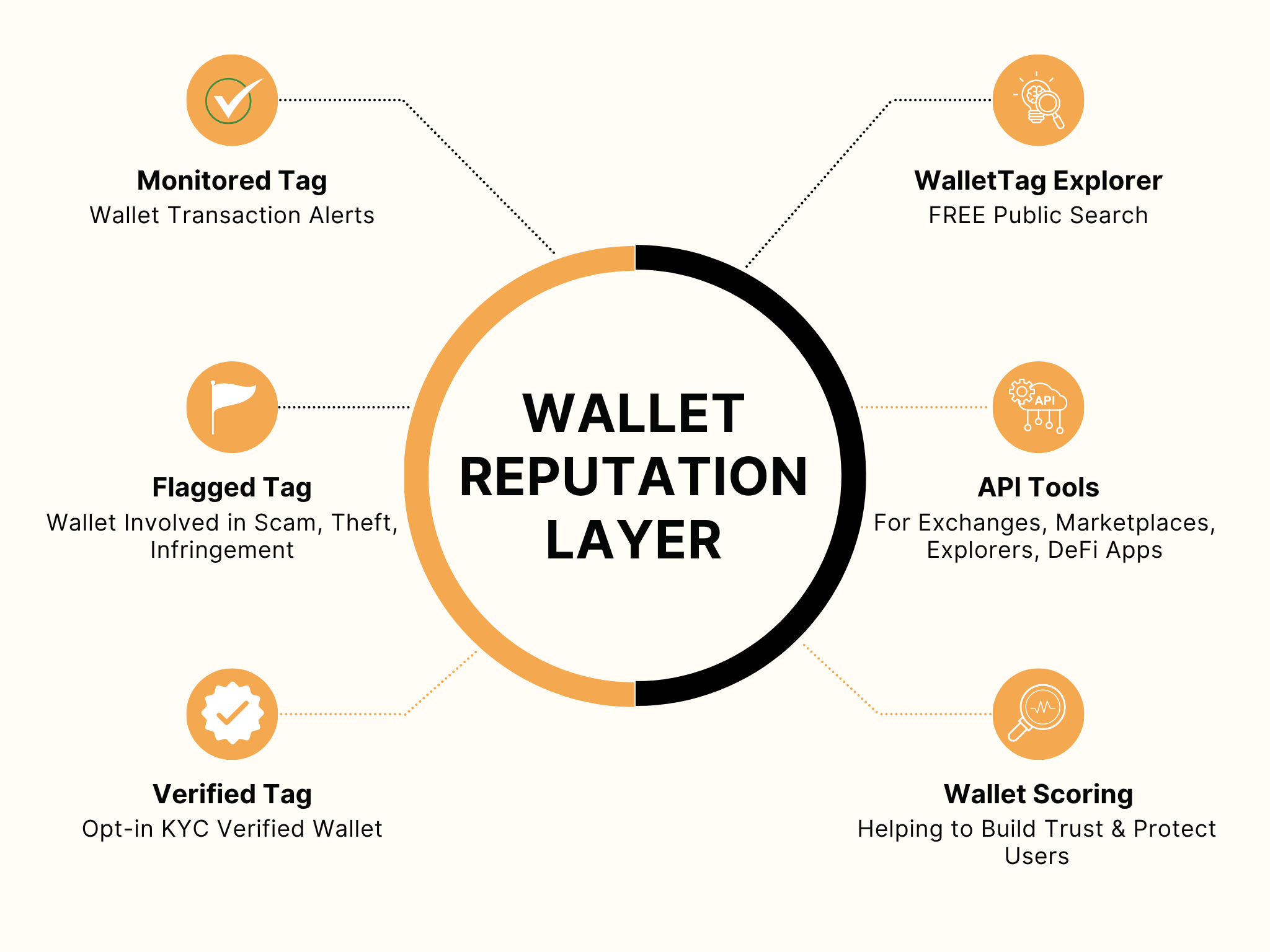
Begin by choosing a provider that offers real-time wallet screening. Services like TRM Labs or Vezgo evaluate transaction patterns and links to known illicit entities, assigning a risk score to each address. Ensure the API supports the specific blockchain networks your dApp targets.
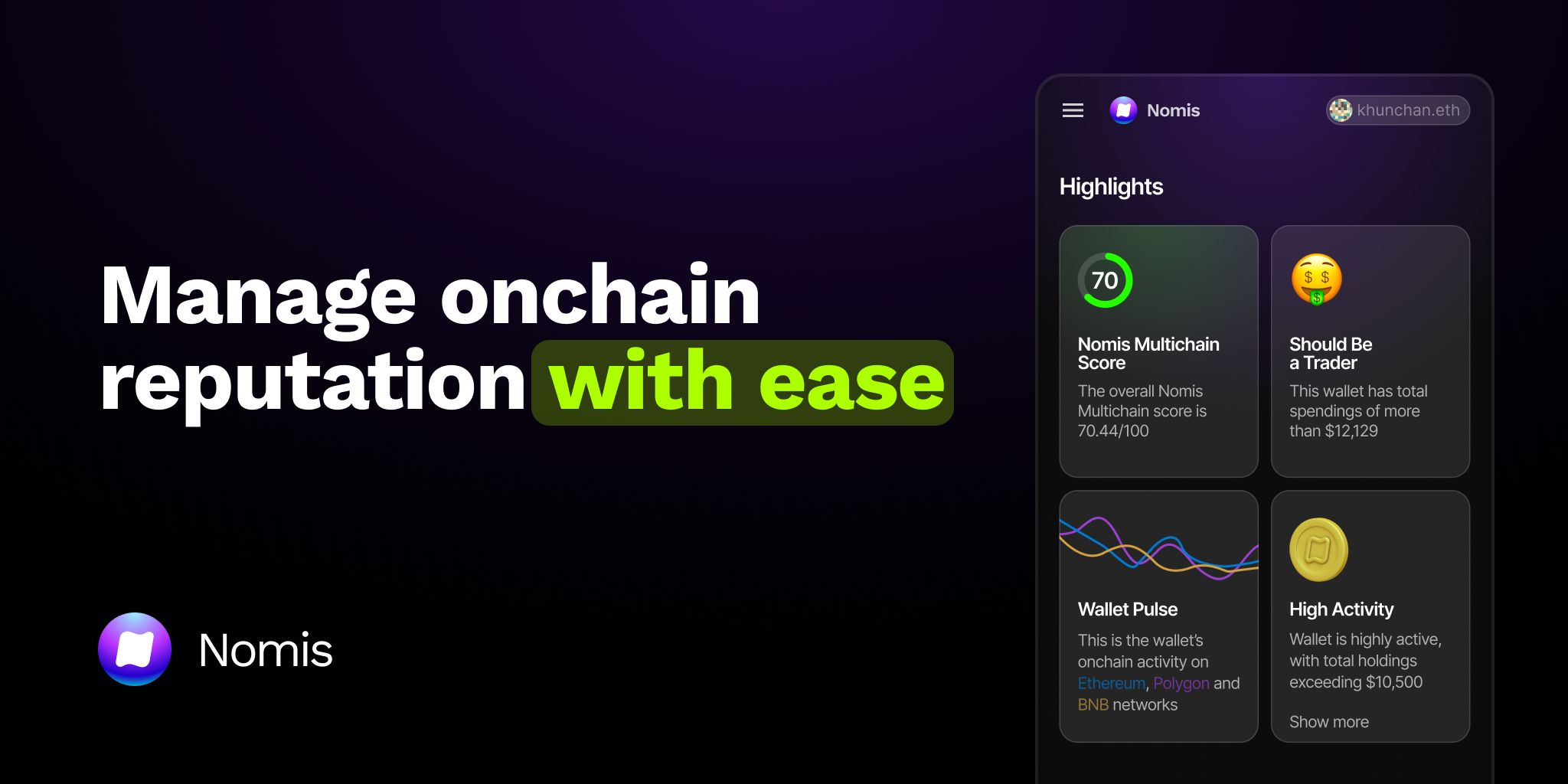
Map reputation scores to specific user actions. For example, a score below 30 might allow full access, while a score above 70 triggers additional verification steps or transaction limits. Document these thresholds clearly to ensure consistent enforcement across your product team.
Integrate the provider’s API into your smart contract interactions or backend wallet checks. The system should query the reputation score before confirming a transaction. This prevents high-risk funds from entering your platform and reduces the need for manual reviews later.
If a wallet is flagged, provide clear, non-technical feedback. Explain that the address has been associated with risky activity and guide the user on how to verify their identity or use a different wallet. Transparency builds trust and reduces support tickets.
By embedding these checks early, you create a secure foundation for your dApp. This method aligns with the 2026 compliance standard, where reputation scores are not just data points but active gatekeepers of platform integrity.
How to check if your wallet is safe
Verifying your wallet’s reputation score is the most direct way to assess its safety status. A high score indicates a clean history with no ties to illicit activity, while a low score flags potential risks before you interact with a contract or exchange. You can check this status through on-chain analytics platforms that aggregate transaction data and compliance databases.
Beyond the score itself, monitor your wallet for immediate signs of compromise. Look for unfamiliar transactions, unexpected reductions in balance, or login alerts from unknown devices. These indicators often precede a drop in reputation or signal active exploitation.
No comments yet. Be the first to share your thoughts!