What wallet reputation scores measure
A wallet reputation score is a numerical value, typically ranging from 0 to 100, that quantifies the trustworthiness and engagement of a blockchain wallet. Rather than relying on a single metric, these scores are composite indices derived from on-chain activity, wallet labels, attestations, and proof-of-personhood data. This infrastructure allows projects to segment users based on verified behavior rather than mere holdings.
The primary function of this scoring system is to distinguish legitimate actors from bad faith participants. For example, a high score often indicates a wallet that has consistently engaged with decentralized applications, holds diverse assets, or possesses verified identity attestations. Conversely, a low score may flag a wallet associated with Sybil attacks, wash trading, or dormant activity. By aggregating these signals, platforms can create a reliable baseline for user verification.
Different providers implement this infrastructure with varying weights. Coinspect, for instance, structures its Security Score around four specific checklists, where the most critical security checks impact the final score disproportionately. Similarly, Formo’s framework emphasizes proof-of-personhood to detect Sybil attackers and identify loyal contributors. Understanding these underlying mechanics is essential for compliance teams evaluating which data sources to trust when assessing counterparty risk.
Why traditional metrics fail compliance
For years, the crypto industry relied on a simple heuristic: transaction volume equals legitimacy. If a wallet moved millions in Bitcoin, it was assumed to be a major exchange or a high-net-worth individual. This logic worked in the early, wild-west days of Web3, but it collapses under the weight of modern regulatory scrutiny. Today, high volume is often a red flag for layering in money laundering schemes, not a badge of honor.
Legacy metrics treat all transactions as equal. They count a $10 transfer to a friend the same way they count a $100,000 swap on a tumbling service. This binary view ignores the context that regulators demand. A wallet linked to a sanctioned entity might have low volume but high legal risk. Conversely, a legitimate business might have high volume but clean, auditable trails. Relying on volume alone creates a false sense of security, allowing bad actors to hide in plain sight.
The shift to wallet risk scoring addresses this gap. As noted by Vezgo, risk scoring evaluates the patterns behind the transactions, not just the numbers. It looks at links to known illicit addresses, the timing of transfers, and the behavior of connected wallets. This approach mirrors traditional financial compliance (AML) standards, where source of funds and destination matter more than the gross flow of capital.
Without this granular data, compliance teams are flying blind. They cannot distinguish between a legitimate DeFi user and a Sybil attacker using a network of small transactions to bypass thresholds. The infrastructure for reputation must evolve from counting coins to analyzing behavior, ensuring that trust is built on verified activity rather than mere activity.
Comparing Leading Wallet Reputation Providers
Selecting the right infrastructure for wallet reputation scoring depends on whether your priority is security compliance, user engagement, or risk mitigation. The market offers distinct approaches from providers like Formo, Coinspect, BitsCrunch, and Vezgo. Understanding their specific methodologies helps legal and compliance teams choose the tool that aligns with their regulatory obligations.
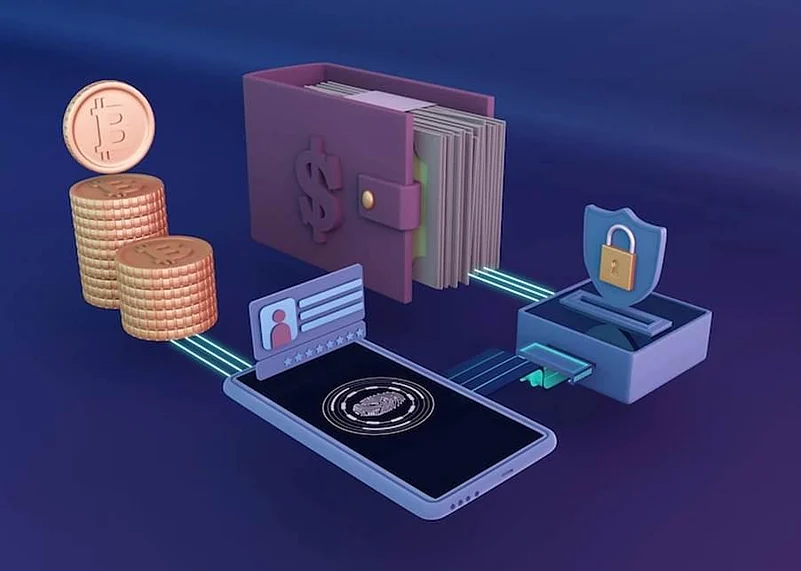
An image illustrating how reputation score calculations work can help visualize the complexity behind these numbers. The following comparison highlights the primary focus and scoring range of each major provider.

| Provider | Primary Focus | Score Range | Key Data Points |
|---|---|---|---|
| Formo | User Engagement & Sybil Detection | 0-100 | Onchain activity, labels, attestations |
| Coinspect | Security & Compliance | 0-100 | Security checklists, risk exposure |
| BitsCrunch | Trustworthiness & Reliability | 0-100 | Onchain metrics, platform association |
| Vezgo | Risk Assessment | 0-100 | Transaction patterns, known entity links |
Balancing Privacy with Regulatory Demands
The central tension in Web3 identity is the conflict between transparent on-chain data and user privacy. Blockchains are immutable public ledgers; every transaction is visible to anyone. Yet, regulators increasingly demand that projects verify user identity to prevent illicit finance. This creates a paradox: how do you prove compliance without exposing sensitive personal data to the public?
Wallet Reputation Scores solve this by separating identity from disclosure. Instead of publishing your full transaction history, you generate a score based on aggregated behavior. This score acts as a cryptographic proof of reliability. It tells a project you are a legitimate user without revealing where you bought your coffee or who you sent funds to last week.
Providers achieve this through zero-knowledge proofs and selective disclosure. These technologies allow you to prove you meet certain criteria—such as holding assets for over a year or having no sanctions hits—without revealing the underlying data. The result is a privacy-preserving reputation system that satisfies both regulatory oversight and user confidentiality.
How to evaluate a reputation score
Before integrating a wallet reputation score into your compliance stack, you need to verify the underlying data architecture. A score is only as reliable as its inputs, and regulatory bodies increasingly scrutinize how these scores are calculated. Treat this evaluation as a technical audit of the provider's methodology rather than a marketing review.
Ensure the provider explicitly lists all data sources. Legitimate systems distinguish between on-chain activity, off-chain attestations, and third-party labels. If the methodology hides its data origins, the score lacks the audit trail required for regulatory defense.
Look for clear weighting mechanisms. For instance, NerdWallet weights overall ratings based on categories like supported cryptocurrencies and security features. Your provider should disclose how much weight is given to privacy-preserving factors versus transactional volume to prevent bias in risk assessment.
Reputation scores decay rapidly in Web3. Verify the refresh rate of the underlying data. A score based on last year's activity is useless for real-time Sybil detection or current compliance checks. Ensure the infrastructure supports near-real-time updates for active wallets.
Confirm the scale and benchmarks used. A score of 80 or higher on a 0–100 scale is typically considered excellent, but only if the scale is standardized. Avoid providers that use proprietary, opaque scales that cannot be compared against industry standards or internal risk thresholds.
By following these steps, you can distinguish between robust reputation infrastructure and superficial metrics. This diligence ensures your integration meets both privacy requirements and compliance obligations.
No comments yet. Be the first to share your thoughts!