Defining the wallet reputation score
A wallet reputation score is a numerical metric, typically ranging from 0 to 100, that evaluates a blockchain wallet’s standing based on its onchain activity, behavioral patterns, and verified credentials. This is not a simple tally of transaction volume or a basic security checklist. Instead, it functions as a composite data-driven standard for ranking and segmenting web3 users based on their overall engagement and value to the ecosystem.
Unlike traditional credit scores that rely on debt history, a wallet reputation score looks at the quality and consistency of interactions. It considers factors such as the diversity of protocols used, the longevity of holdings, and adherence to known behavioral norms. The goal is to distinguish between a wallet that is merely active and one that is genuinely valuable and low-risk.
Providers like Formo and Coinspect have established these metrics to offer a more nuanced view than simple transaction counts. Formo describes the Wallet Score as a way to measure how engaged and valuable a wallet is, while Coinspect focuses heavily on security checklists. Understanding this distinction is critical for legal and regulatory frameworks that need to assess risk without relying on opaque or incomplete data points.
What feeds a wallet reputation score?
A Wallet Reputation Score is not a single metric but a composite of several data streams. Think of it like a credit report for a digital identity. Instead of just checking if you pay your bills on time, these algorithms look at the entire history of your on-chain behavior to determine how trustworthy and valuable your address is.
The primary inputs typically fall into three categories: on-chain activity, entity labels, and verified credentials.
On-chain activity and behavioral patterns
The most granular layer of data comes from your transaction history. Algorithms analyze the frequency, volume, and diversity of your interactions. Are you holding assets for the long term, or do you move funds in and out of exchanges daily? Do you interact with smart contracts that have a history of exploits?
Formo describes a Wallet Score as a numerical measure (typically 0 to 100) that evaluates engagement and value based on these patterns. A score of 80 or higher is generally considered excellent, indicating a user who is both active and cautious. This behavioral analysis helps distinguish between a legitimate user and a potential money mule.
Entity labels and risk flags
Next, the system checks if your wallet is associated with known entities. This includes centralized exchanges, decentralized finance (DeFi) protocols, and high-risk services like mixers or darknet markets. If your wallet has ever interacted with a sanctioned entity, that label is attached to your history, potentially lowering your score.
BitsCrunch, for instance, uses these on-chain metrics to evaluate the reliability of a wallet. The presence of "clean" labels—such as interactions with audited DeFi protocols—adds positive weight. Conversely, a history of interacting with unverified or flagged contracts creates a negative bias in the reputation calculation.
Verified credentials and identity
The final input layer involves verified credentials. This is where traditional identity verification meets blockchain. If you have completed KYC (Know Your Customer) processes through a recognized provider and linked that identity to your wallet, your score receives a significant boost. This proof of identity reduces the anonymity that often accompanies high-risk on-chain behavior, making your wallet more recognizable to compliance tools.
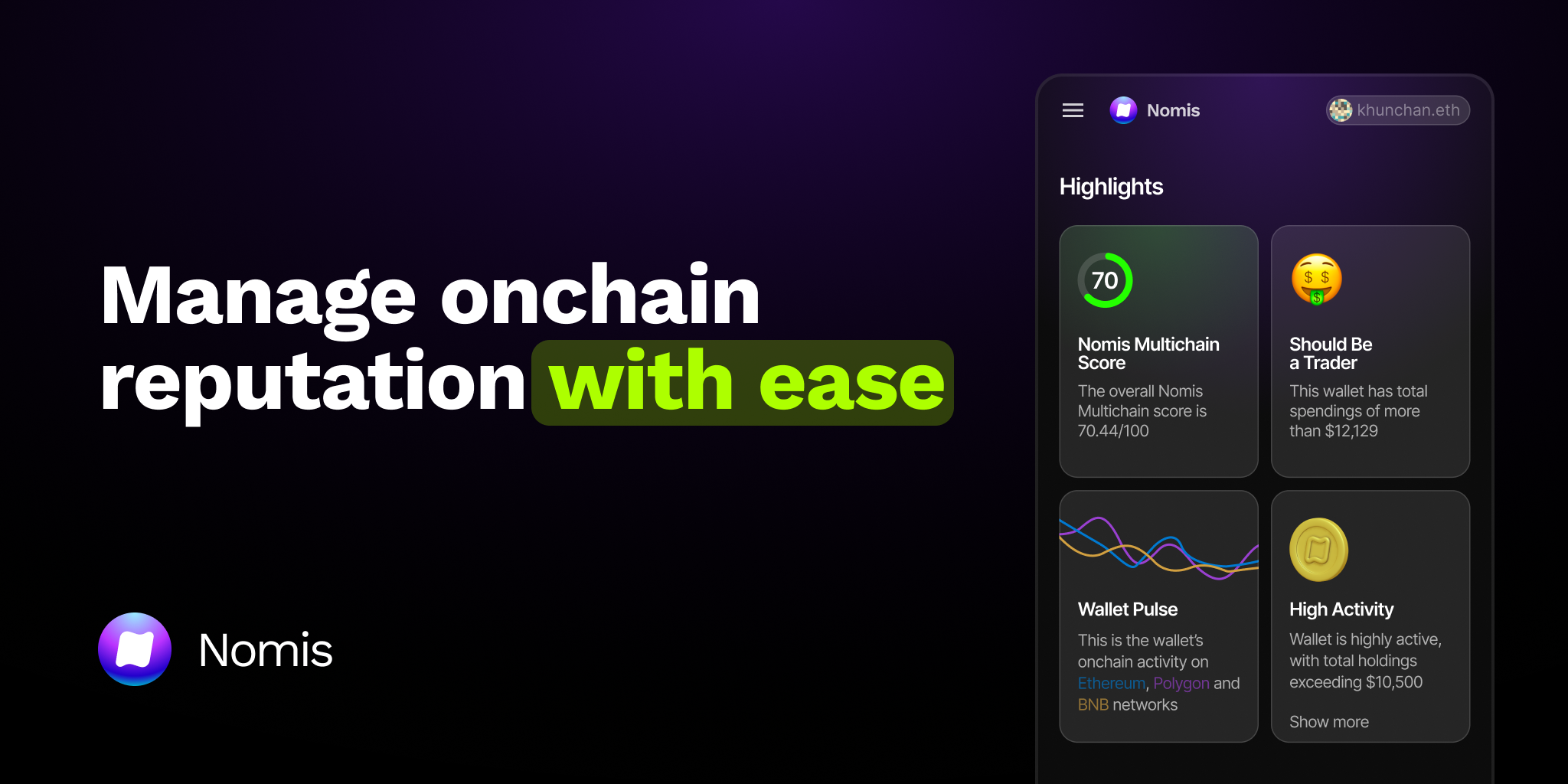
How wallet reputation scores fit into compliance frameworks
Wallet reputation scores are moving from optional user metrics to core components of AML and KYC workflows. Regulators are tightening reporting standards, and on-chain risk scoring provides the granular data needed to meet those requirements without relying solely on static address lists. Instead of flagging every transaction with a known exchange, compliance teams can now evaluate the behavioral history of a wallet to determine if it poses a genuine threat.
A wallet reputation score is a numerical rating—typically from 0 to 100—that measures how engaged and valuable a blockchain wallet is based on its on-chain activity, behavioral patterns, and verified credentials. A score of 80 or higher is generally considered excellent, indicating a user who interacts primarily with reputable protocols and maintains a clean transaction history. This distinction allows financial institutions to separate high-risk actors from legitimate users who simply use privacy-focused tools or interact with new DeFi protocols.
Integrating these scores into regulatory reporting changes how suspicious activity is flagged. Rather than generating false positives from routine interactions, systems can prioritize alerts based on the wallet's overall reputation trajectory. This approach aligns with guidance from providers like Vezgo, which emphasizes evaluating transaction patterns and links to known entities to assess risk accurately. By incorporating dynamic reputation data, firms can streamline their compliance processes while maintaining the rigorous standards required by modern financial regulations.
The privacy cost of a high wallet reputation score
A high Wallet Reputation Score signals trustworthiness, but it also creates a permanent, public record of your financial behavior. When you opt into these systems, you are trading anonymity for credibility. This transparency is the core value proposition for compliance teams, but it represents a significant data exposure risk for individual users.
The tension lies in the granularity of the data required to calculate these scores. To achieve a score of 80 or higher on a standard 0–100 scale, systems must analyze on-chain activity, behavioral patterns, and verified credentials. This level of detail often reveals not just that you transacted, but with whom, when, and for what purpose.
According to Formo, a Wallet Score is designed to measure engagement and value based on these deep behavioral patterns. While this helps legitimate platforms filter out bad actors, it also means your entire transaction history becomes a searchable asset. If this data is breached or sold, your financial identity is exposed in a way that traditional banking secrecy does not permit.
Coinspect and Vezgo highlight that while these scores enhance market trust, they centralize sensitive identity data. A high reputation score effectively brands your wallet as "safe," which can make it a more attractive target for sophisticated phishing attacks or social engineering, as attackers know you are likely managing significant assets.
Choosing tools for reputation monitoring
Selecting the right platform depends on whether you prioritize security hygiene, user engagement, or general trustworthiness. The landscape for Wallet Reputation Scores is fragmented, with each tool applying distinct methodologies to the same underlying blockchain data. For compliance teams, understanding these differences is essential to avoid misinterpreting risk signals.
Formo positions its Wallet Score as a data-driven standard for segmenting Web3 users. Their system generates a numerical value from 0 to 100, focusing heavily on engagement metrics and verified credentials rather than just transaction history [src-serp-1]. This approach is particularly useful for platforms looking to identify high-value, compliant users while filtering out Sybil attackers.
Coinspect takes a more defensive stance with its Security Score. Rather than measuring engagement, it evaluates wallets against four strict security checklists. The score reflects how well a wallet adheres to best practices, such as hardware wallet usage and interaction with verified contracts [src-serp-2]. For legal and regulatory teams, this tool helps identify wallets that may be vulnerable to exploitation or involved in high-risk activity due to poor security hygiene.
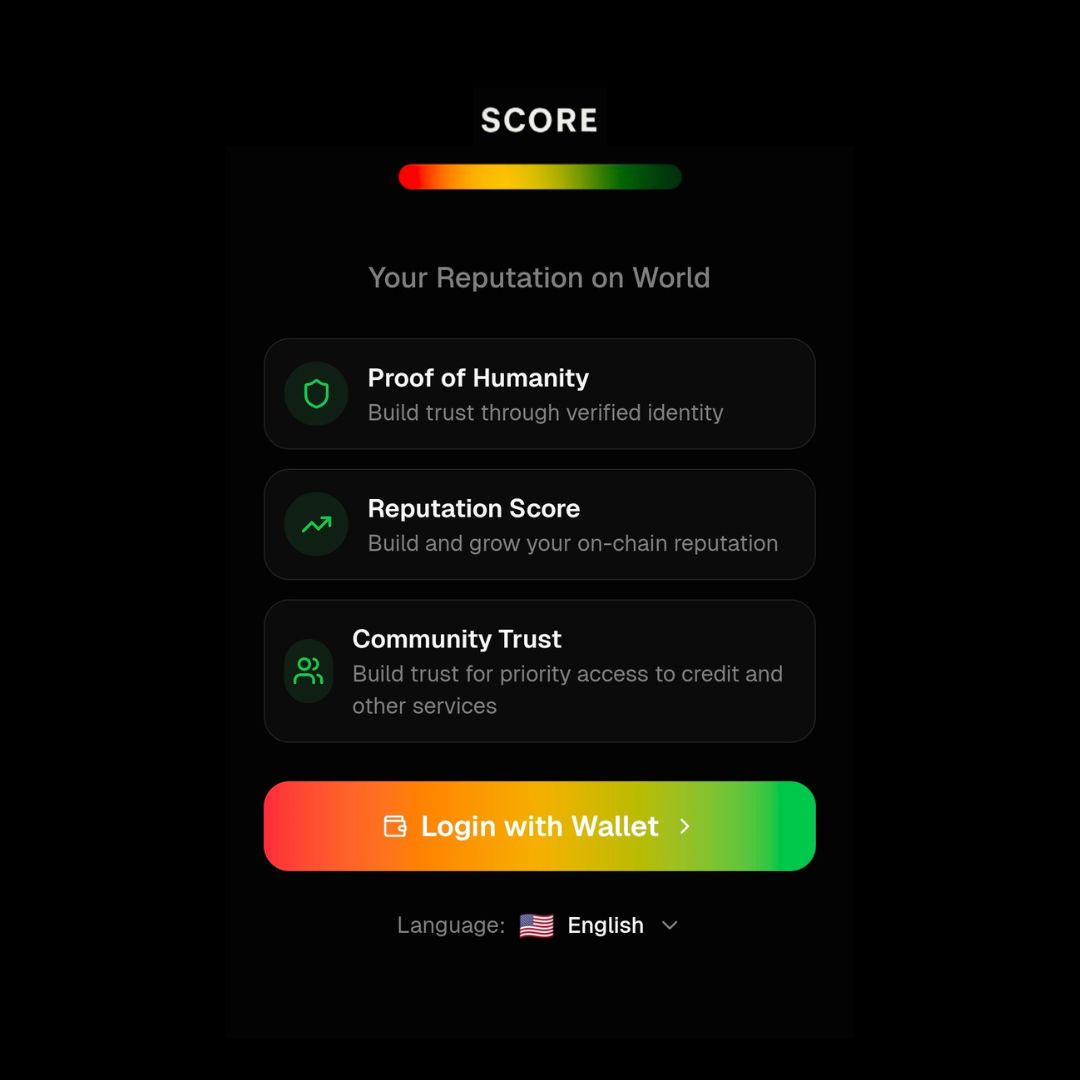
To help visualize how these scores are presented to end-users, consider the interface shown below, which displays a reputation score in a clean, accessible format.
The table below compares the primary focus and scoring logic of these leading platforms.
| Platform | Primary Focus | Score Range | Core Methodology |
|---|---|---|---|
| Formo | User Engagement | 0-100 | On-chain activity and verified credentials |
| Coinspect | Security Hygiene | 0-100 | Security checklist compliance |
| bitsCrunch | Trustworthiness | 0-100 | On-chain metrics and platform reliability |
FAQs on wallet reputation scores
A Wallet Score is a numerical reputation score (typically from 0 to 100) that measures how engaged and valuable a blockchain wallet is based on its onchain activity, behavioral patterns, and verified credentials. This metric helps platforms segment users and assess risk without relying on traditional identity data. Formo describes this as the data-driven standard for qualifying Web3 users.
What is considered a good reputation score? While every scoring system is different, a score of 80 or higher on a 0–100 scale is typically considered excellent. This threshold indicates strong compliance hygiene and active, legitimate engagement. Scores below 50 often trigger additional scrutiny or restricted access in regulated environments.
How are these scores calculated? Most systems, such as Coinspect’s Security Score, rely on weighted checklists where critical security checks impact the score the most. Factors include transaction history, interaction with known malicious addresses, and verification status. The goal is to provide a transparent, objective view of wallet health rather than a subjective rating.
No comments yet. Be the first to share your thoughts!