What defines a wallet reputation score
A wallet reputation score is a numerical rating, typically ranging from 0 to 100, that evaluates the trustworthiness and reliability of a blockchain wallet. It is not a credit score, nor is it a simple security check. Instead, it measures how engaged and valuable a wallet is based on its on-chain activity, behavioral patterns, and verified credentials.
Think of a reputation score as a digital CV for a wallet. Just as a resume highlights your professional history and reliability, a reputation score aggregates data points—transaction frequency, counterparty quality, and compliance flags—to create a holistic view of the wallet’s standing in the ecosystem.
While every scoring system is different, a score of 80 or higher on a 0–100 scale is generally considered excellent. This distinction matters for legal and regulatory contexts, where understanding the nuance between "secure" and "reputable" is critical for risk assessment and compliance strategies.
Core infrastructure inputs for scoring
A wallet reputation score is a numerical assessment, typically ranging from 0 to 100, that measures how engaged and valuable a blockchain wallet is. This score relies on a combination of on-chain activity, behavioral patterns, and verified credentials to create a reliable profile of the user. For legal and compliance teams, understanding these inputs is essential for distinguishing between routine users and high-risk entities.
On-chain activity
The foundation of any reputation model is the wallet's transaction history. Systems analyze the frequency, volume, and type of transactions to gauge engagement. A wallet that consistently interacts with reputable decentralized applications (dApps) or holds stable assets is generally viewed more favorably than one with sporadic or high-risk activity. This data provides a baseline for understanding the wallet's operational history.
Behavioral patterns
Beyond simple transaction counts, algorithms examine behavioral patterns to detect anomalies. This includes tracking the time between transactions, the diversity of addresses interacted with, and the consistency of activity. For example, a wallet that suddenly shifts from low-value transfers to high-volume movements may trigger a risk alert. These patterns help identify potential money laundering or fraud attempts before they cause significant damage.
Labels and verified credentials
To add context to on-chain data, reputation systems incorporate labels and verified credentials. Labels identify known entities, such as exchanges, mixers, or sanctioned addresses, linking them to the wallet. Verified credentials, often derived from identity verification protocols, can boost a wallet's score by confirming the user's real-world identity. This layer of information is crucial for regulatory compliance, as it helps bridge the gap between anonymous blockchain addresses and known legal persons.
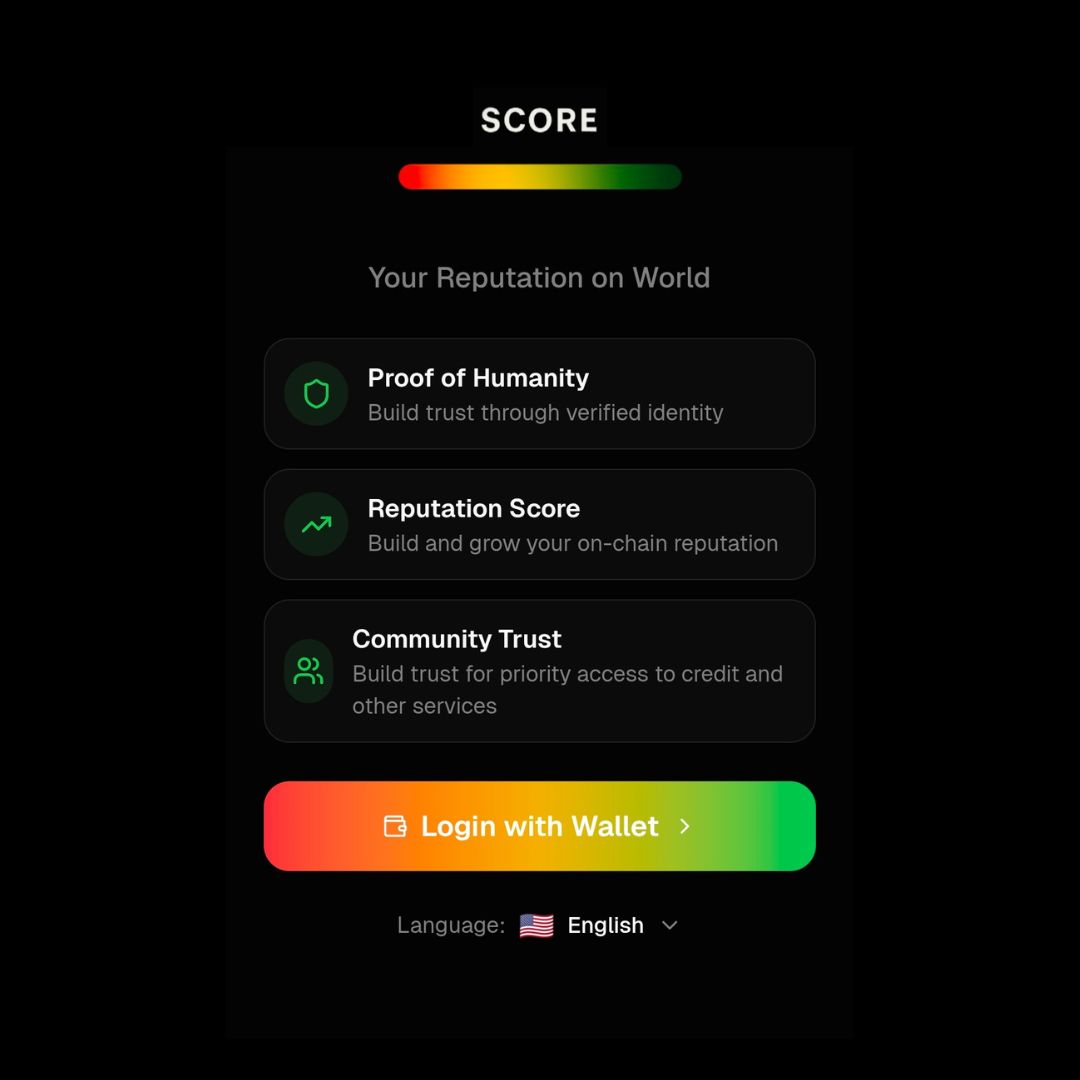
Building a Trustworthy On-Chain Identity
Your wallet reputation score functions like a digital credit history, aggregating your transaction patterns, verified credentials, and protocol interactions into a single metric. For legal and compliance teams, this score is not just a vanity number; it is a risk indicator. A low score often signals high-risk behavior, such as mixing services or interactions with sanctioned addresses, while a high score suggests consistent, compliant engagement.
Improving this score requires deliberate, verifiable actions. Protocols and users alike should focus on the following steps to establish a robust on-chain identity.
The fastest way to boost your reputation is to attach verified identity proofs to your wallet. Use standards like World ID or similar decentralized identity protocols to link your real-world identity to your on-chain address. This verification signals to scoring algorithms that you are a legitimate user, not a sybil attacker or a bot, immediately elevating your trust baseline.
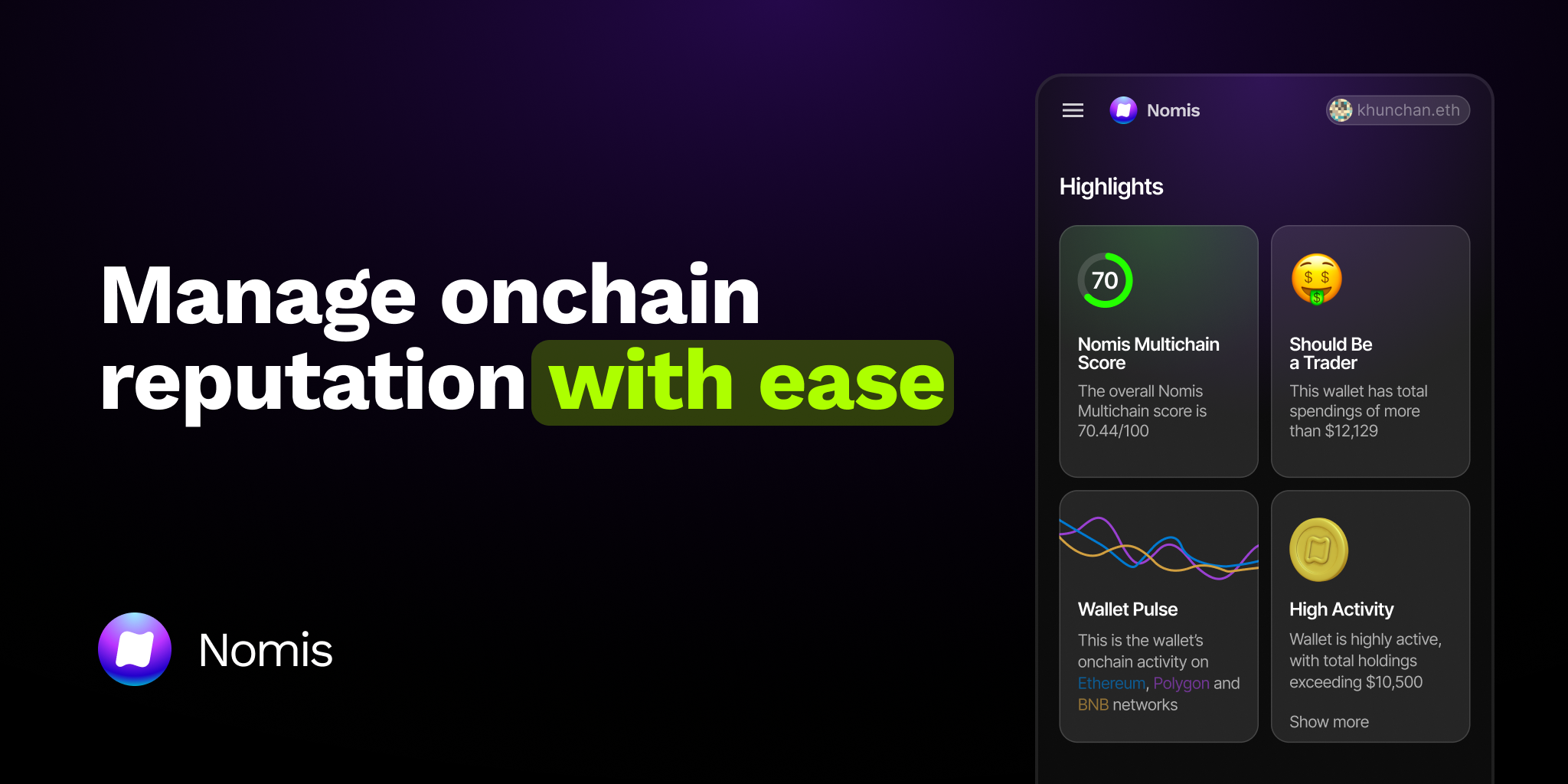
Scoring models penalize wallets that only interact with high-risk or single-purpose protocols. To build a balanced profile, engage with a variety of decentralized applications (dApps) across different sectors, such as lending, governance, and decentralized exchanges. This diversity demonstrates organic usage and reduces the likelihood of being flagged for suspicious, repetitive behavior.
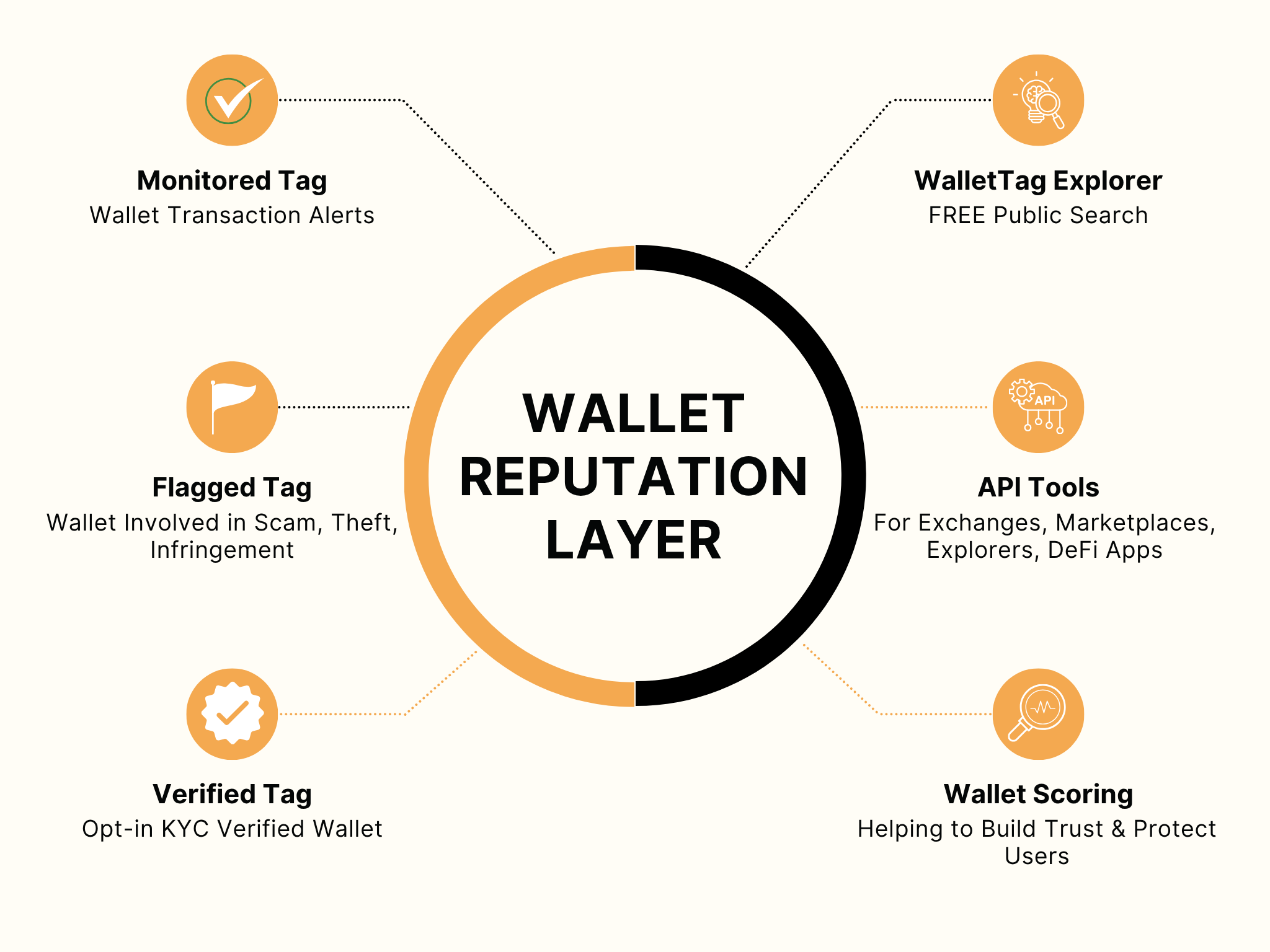
Reputation is cumulative. Avoid sudden, large, unexplained transfers that trigger anti-money laundering (AML) flags. Instead, maintain a steady history of small-to-medium transactions over time. Consistency in activity patterns is a strong positive signal for reputation algorithms, showing that your wallet is actively managed by a human user rather than an automated script.
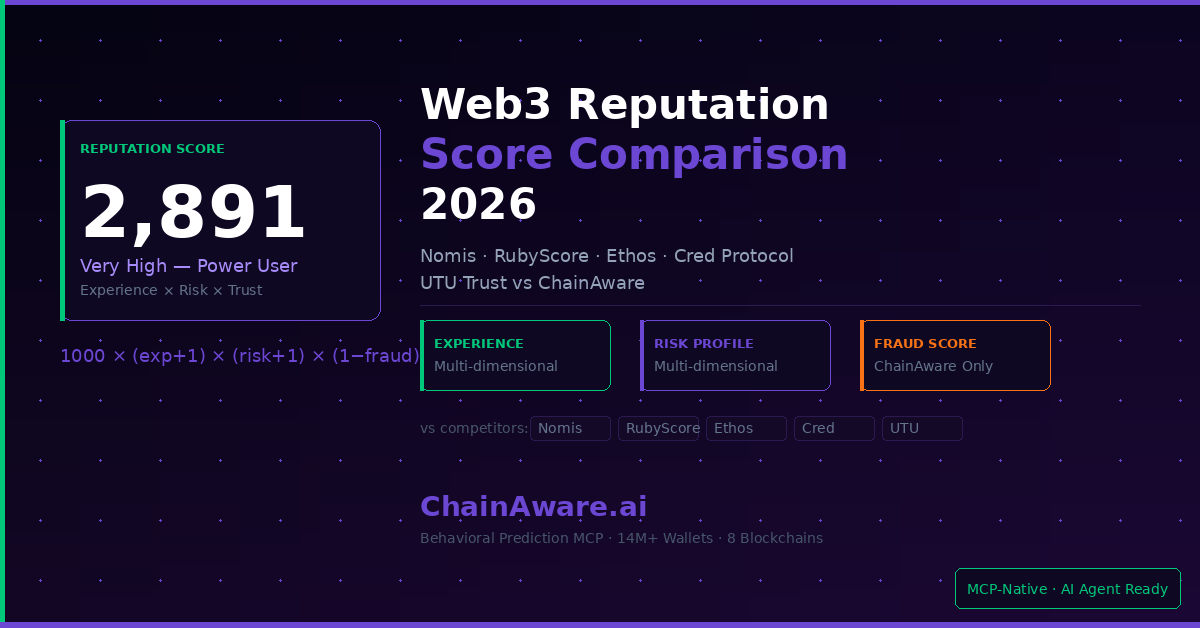
The easiest way to tank your score is to interact with addresses flagged for fraud, sanctions, or mixing services. Regularly audit your transaction history and avoid sending funds to unknown or high-risk contracts. If you must interact with a new protocol, start with small test amounts to establish a clean interaction record before committing significant capital.
A strong reputation score is an asset. It unlocks access to higher-yield lending rates, exclusive governance rights, and smoother onboarding for regulated financial products. By treating your on-chain history with the same care as your traditional financial records, you position yourself for long-term success in the Web3 ecosystem.
Compliance and risk assessment tools
Regulatory bodies and internal compliance teams are increasingly treating wallet reputation scores as a primary input for Know Your Customer (KYC) and Anti-Money Laundering (AML) workflows. Rather than relying solely on static address lists, these tools provide a dynamic view of a wallet's behavior, allowing firms to flag high-risk activity before it triggers a regulatory breach. The integration of these scores into transaction monitoring systems helps reduce false positives and ensures that compliance resources are focused on genuine threats.
When selecting a reputation scoring provider, it is essential to understand the underlying methodology. Different platforms weight factors such as transaction volume, interaction with sanctioned addresses, and historical engagement differently. A score of 80 or higher on a 0–100 scale is generally considered excellent, but the threshold for "good" varies by provider and risk appetite. Below is a comparison of key platforms to help you evaluate which tool aligns with your compliance infrastructure.
| Provider | Score Range | Primary Methodology | Primary Use Case |
|---|---|---|---|
| Coinspect | 0-100 | Security checklists with weighted critical checks | Security-focused risk assessment |
| bitsCrunch | 0-100 | On-chain metrics and platform association | General reputation and trust evaluation |
| Formo | 0-100 | Engagement, behavioral patterns, and verified credentials | User segmentation and value ranking |
| ThreatNG | 0-100 | Threat intelligence and behavior analysis | Security and threat detection |
These tools are not just for filtering transactions; they are critical for maintaining a defensible compliance posture. By documenting the specific scores and methodologies used to assess wallet risk, your organization can demonstrate due diligence during regulatory audits. Always verify that the data sources feeding these scores are updated in real-time, as static data can quickly become obsolete in the fast-moving crypto landscape.
No comments yet. Be the first to share your thoughts!