How Wallet Reputation Scores Work
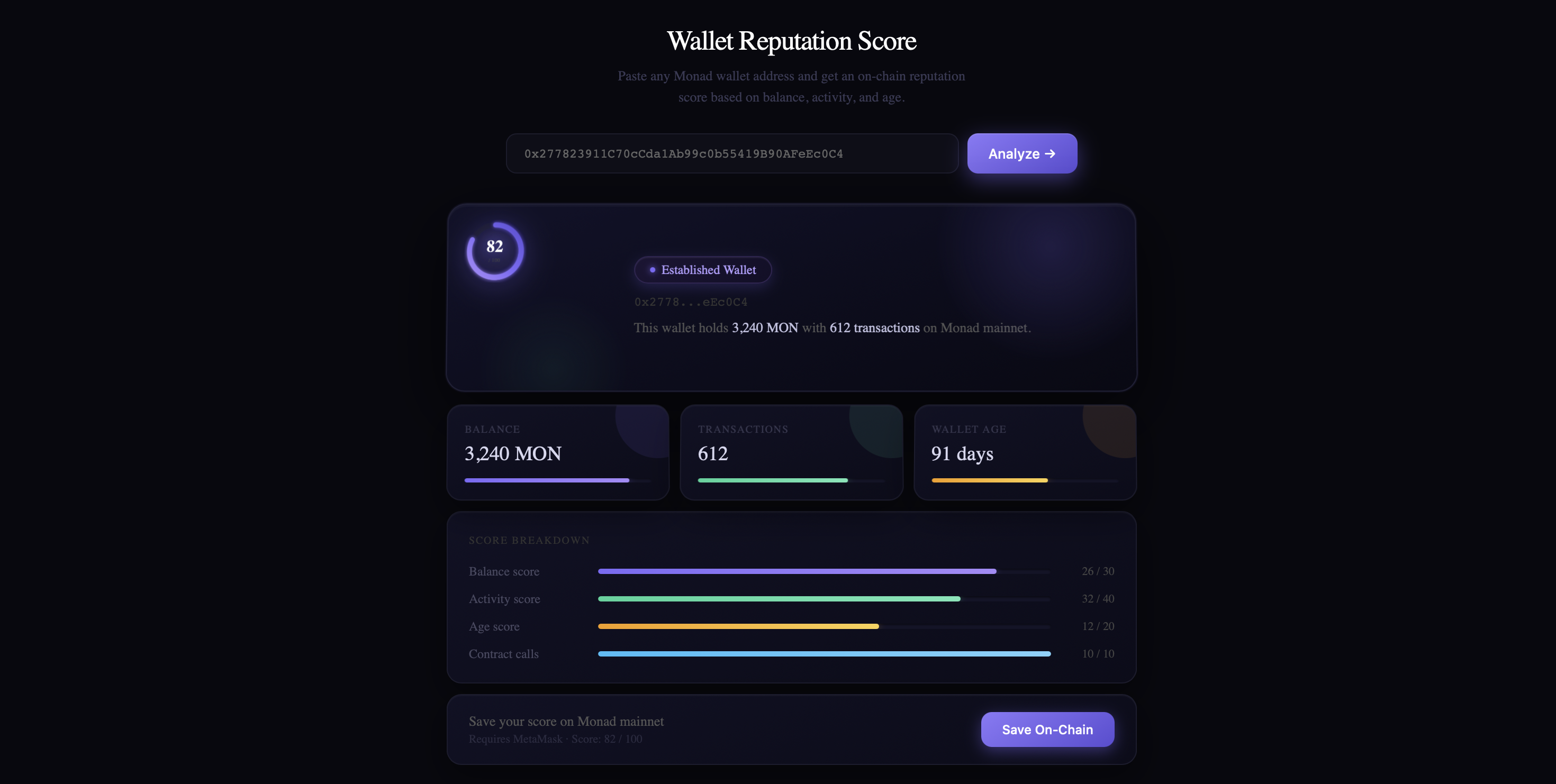
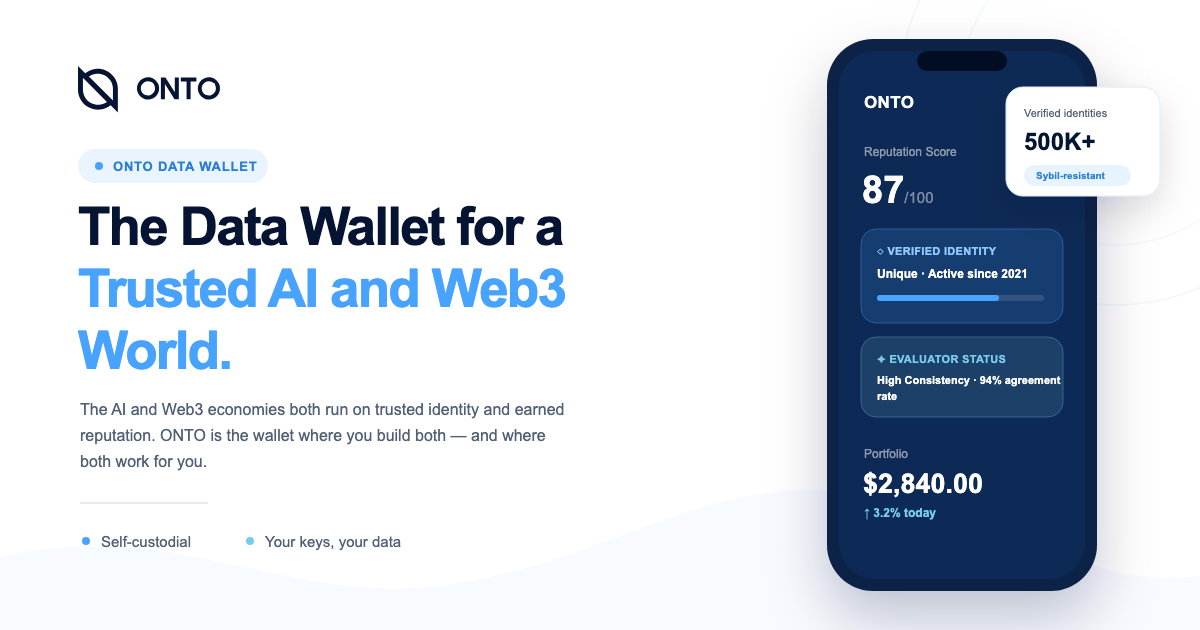
A wallet reputation score is a numerical metric, typically ranging from 0 to 100, that evaluates the trustworthiness, activity, and risk profile of a blockchain address. Unlike credit scores that rely on debt history, crypto reputation scores analyze on-chain behavior, such as transaction volume, asset diversity, and interaction with smart contracts. These scores help protocols assess user risk before granting access to high-yield yields or sensitive governance votes.
The calculation varies by provider, but most rely on a weighted checklist of security and engagement factors. Coinspect, for example, bases its score on four distinct security checklists, where critical failures—like interacting with known malicious contracts—impact the score disproportionately. Formo’s approach focuses more on long-term value and consistent engagement, rewarding users who hold assets over time rather than those who churn quickly.
These scores are not standardized across the industry. One platform’s "high risk" wallet might be another’s "verified user." This fragmentation means you cannot assume a high score from one provider guarantees acceptance on another. Always check the specific criteria of the protocol you are trying to access, as EIP-7700 compliance and privacy infrastructure requirements often depend on these underlying reputation metrics.
Wallet reputation score choices that change the plan
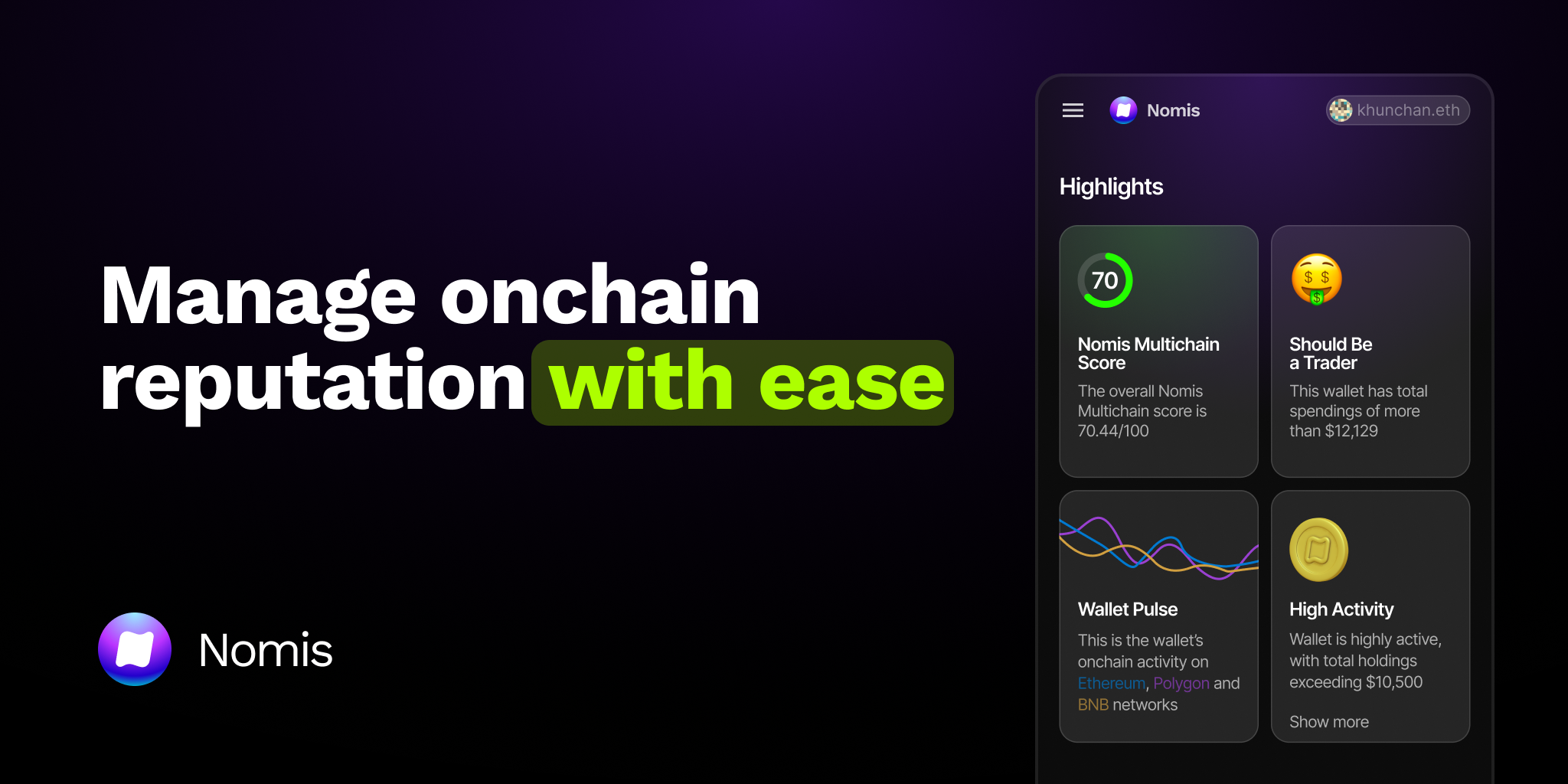
No single metric captures the full picture of a wallet’s trustworthiness. Scores from providers like Nomis, ChainAware, or CoinInspect weigh factors differently, creating distinct tradeoffs between privacy, compliance, and usability. Understanding these differences helps you choose the right score for your specific use case.
Privacy vs. Compliance
Wallets prioritizing privacy, such as those using stealth addresses or privacy coins, often receive lower reputation scores. This is because opacity makes it harder for auditors to verify transaction origins. For DeFi users, a higher score might require linking identity to address history, sacrificing anonymity for access to regulated services.
On-Chain Activity vs. Security Hygiene
Some scores focus heavily on transaction volume and longevity, rewarding active traders with higher reputations. Others prioritize security checks, such as avoiding interactions with known malicious contracts. A high-volume wallet might appear trustworthy by activity metrics but could be flagged if it interacts with high-risk protocols.
Centralized Exchange Integration
Wallets that integrate seamlessly with centralized exchanges (CEXs) often benefit from shared reputation data. This can boost scores by linking to verified KYC data. However, this creates a dependency on third-party data sources, meaning your reputation could fluctuate based on exchange policies rather than your own on-chain behavior.
| Provider | Primary Focus | Privacy Impact | Best For |
|---|---|---|---|
| Nomis | Behavioral Patterns | Low (requires data linking) | DeFi & Institutional |
| ChainAware | Risk & Fraud | Medium | Security Audits |
| CoinInspect | Security Hygiene | High (transparent checks) | Personal Safety |
| Formo | Engagement & Value | Variable | Airdrop & Loyalty |
Choose the next step
Wallet Reputation Scores works best as a clear sequence: define the constraint, compare the realistic options, test the tradeoff, and choose the path with the fewest hidden costs. That order keeps the advice usable instead of decorative. After each step, pause long enough to check whether the recommendation still fits the reader's actual situation. If it depends on perfect timing, unusual access, or a best-case budget, include a simpler fallback.
Spotting Weak Options and Misleading Claims
Not all reputation scores are created equal. Some platforms inflate metrics to appear more trustworthy, while others ignore critical security gaps like EIP-7700 compliance or privacy infrastructure. When evaluating wallet reputation, look for transparent scoring methodologies rather than vague "trust" badges.
The Danger of Vague Scoring
Many wallets advertise a "high score" without defining what that score measures. A score based solely on transaction volume ignores security hygiene. A score based only on age ignores recent protocol upgrades. Always check if the score includes checks for open-source code, bug bounties, and multi-signature support.
Red Flags in Wallet Marketing
Be wary of wallets that claim to be "the most secure" without third-party audits. Look for specific audit firms like Trail of Bits or OpenZeppelin. Also, watch for wallets that prioritize convenience over privacy, such as those that log IP addresses or transaction metadata. These features can compromise your anonymity and expose you to regulatory scrutiny.
How to Verify a Wallet’s Reputation
- Check for Audits: Ensure the wallet has undergone recent, public audits. Verify the audit reports are available and not just summarized.
- Review EIP-7700 Support: Since this standard changes how accounts interact with smart contracts, ensure the wallet handles it securely to prevent unauthorized delegation.
- Assess Privacy Features: Does the wallet use Tor or similar tools to hide your IP? Does it allow for transaction mixing or stealth addresses?
- Community Trust: Look at independent forums and developer discussions. Are there reports of bugs or security breaches that were ignored?
By focusing on these concrete checks, you can avoid weak options and make a more informed decision about which wallet truly deserves your trust.
Wallet reputation scores: common: what to check next
Wallet reputation scores translate complex on-chain behavior into a single 0–100 metric. These scores help platforms and users assess trustworthiness, but they are not universal standards. Different providers weigh factors like transaction history, interaction with known protocols, and security posture differently.
No comments yet. Be the first to share your thoughts!