How Wallet Reputation Scores Work
Wallet reputation scores are numerical metrics, typically ranging from 0 to 100, that evaluate the trustworthiness and behavior of a blockchain address. Rather than relying on identity documents, these scores analyze on-chain history—such as transaction frequency, smart contract interactions, and association with known entities—to assign a risk rating.
The primary goal is to segment users for compliance and fraud prevention. A high score indicates a wallet with a clean history and consistent engagement, while a low score may flag associations with mixers, sanctioned addresses, or suspicious activity patterns. This data-driven standard allows platforms to make automated decisions about access and transaction limits without manual review.
Calculating these scores involves aggregating data from multiple sources, including blockchain explorers, KYC providers, and threat intelligence databases. Different platforms use proprietary algorithms, meaning a wallet might have a high score on one service and a lower one on another. Understanding these differences is essential for choosing the right verification tool for your specific use case.
| Score Range | Risk Level | Typical Platform Action |
|---|---|---|
| 80-100 | Low | Standard access, higher limits |
| 50-79 | Medium | Enhanced verification, moderate limits |
| 0-49 | High | Restricted access, manual review |
Weighing the tradeoffs of wallet reputation scores
Wallet reputation scores are not monolithic. Different platforms measure different behaviors, leading to significant discrepancies for the same address. A score of 85 on one platform might drop to 60 on another if the underlying model prioritizes security over engagement. Understanding these divergences is essential for accurate risk assessment.
The primary tradeoff lies in the definition of "trust." Some models, like Formo, emphasize long-term value and user engagement to segment users for marketing or onboarding. Others, such as CoInspect, focus strictly on security checklists, penalizing wallets that interact with known malicious contracts or hold unverified assets. Your choice of metric should align with your specific goal: compliance, security auditing, or user acquisition.
| Feature | Formo Wallet Score | CoInspect Security Score | WalletFinder Ratings |
|---|---|---|---|
| Primary Focus | Engagement & Long-term Value | Security & Malicious Interactions | Performance & Copy-trading |
| Score Range | 0–100 | 0–100 | Qualitative/Percentile |
| Key Metrics | Activity frequency, retention | Contract safety, fund source | PnL, win rate, risk |
| Best For | User segmentation | Security auditing | DeFi strategy analysis |
Choosing the right metric for your use case
If you are building a compliance tool, prioritize security-focused scores. These models penalize interactions with mixers, darknet markets, or sanctioned addresses. A high engagement score is irrelevant if the wallet is a vehicle for illicit activity. Conversely, if you are analyzing DeFi strategies, performance-based ratings that track profit and loss are more relevant than static security checks.
Consider the latency of data updates. Security scores often require deep blockchain analysis to trace fund origins, which can take time. Engagement scores update more frequently based on recent transactions. For real-time risk management, faster-updating metrics may be preferable, even if they are less comprehensive in historical context. Always verify the data source's update frequency before integrating it into your workflow.
| Feature | Formo | CoInspect | WalletFinder |
|---|---|---|---|
| Primary Focus | Engagement & Long-term Value | Security & Malicious Interactions | Performance & Copy-trading |
| Score Range | 0–100 | 0–100 | Qualitative/Percentile |
| Key Metrics | Activity frequency, retention | Contract safety, fund source | PnL, win rate, risk |
| Best For | User segmentation | Security auditing | DeFi strategy analysis |
How to Choose a Wallet Reputation Score Provider
Selecting a reputation score provider is a compliance decision, not just a technical one. You are choosing which data points define "trust" for your specific use case. A score that rewards high transaction volume might flag a legitimate privacy-focused user as high-risk. Conversely, a score that prioritizes long-term holding might miss an active participant in a sanctioned protocol.
The decision framework below breaks down the evaluation process into three practical steps. Focus on data granularity, update frequency, and integration ease. Avoid providers that offer a single black-box number without explaining the underlying weights.
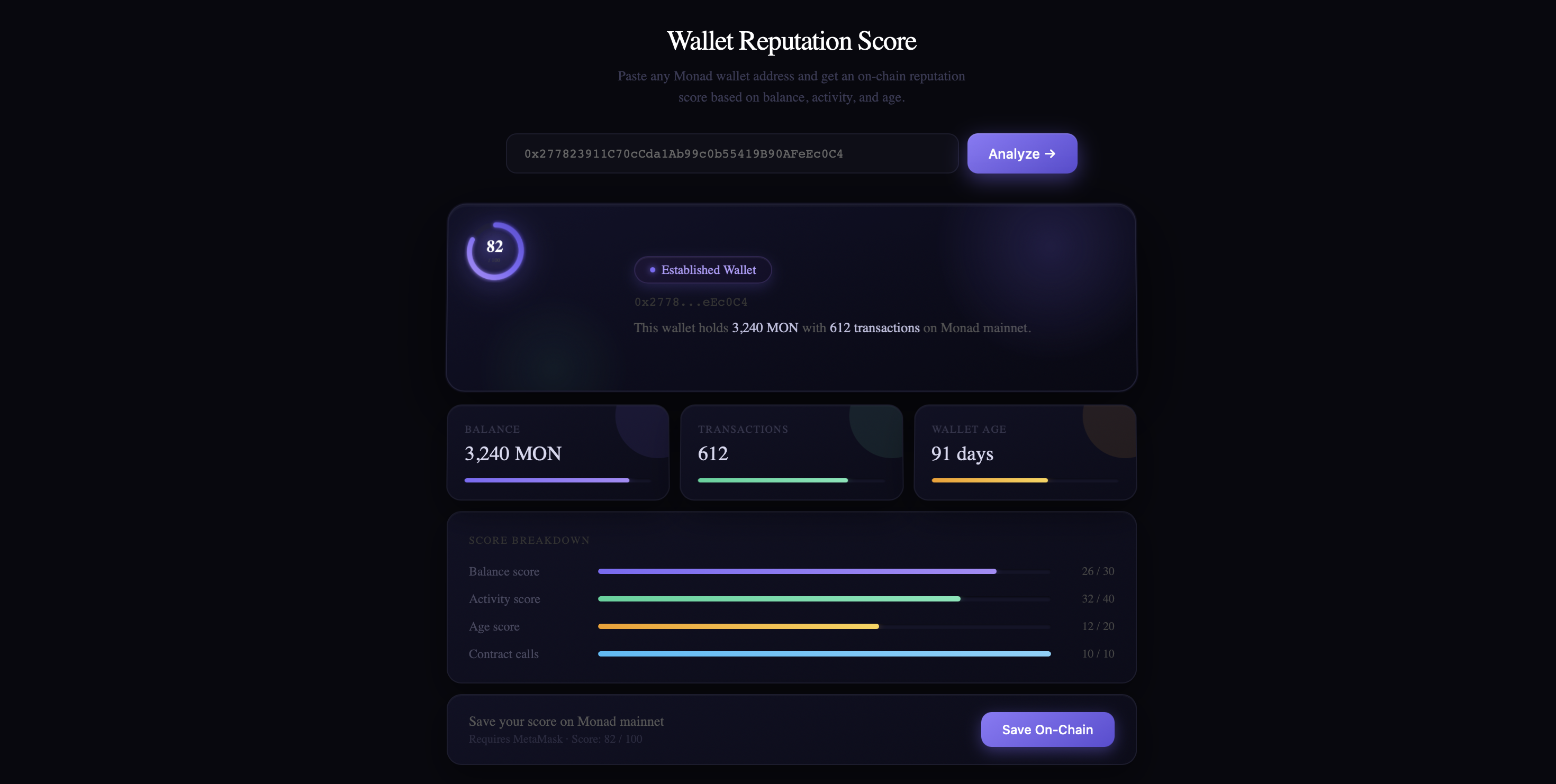
Start by examining what the provider actually measures. Do they rely solely on on-chain transaction history, or do they incorporate off-chain identity verification (KYC) and social graph data? Providers like Formo focus on engagement and long-term value, while others may prioritize regulatory compliance flags. Check if the provider publishes their weighting methodology. If the algorithm is proprietary and opaque, you cannot audit its bias against specific user behaviors.
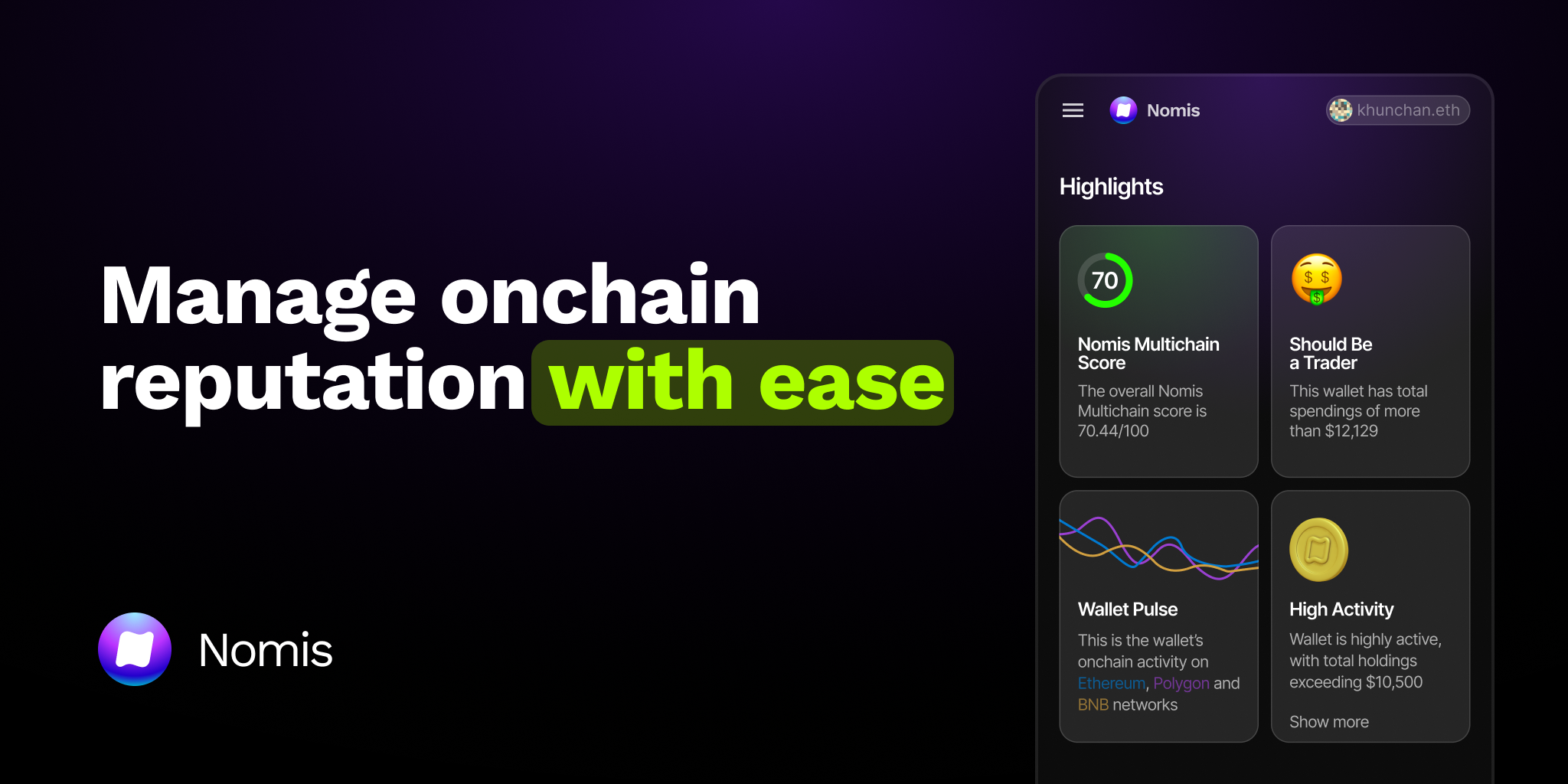
Reputation is dynamic. A wallet that was clean last month may have interacted with a sanctioned address today. Determine how often the provider updates scores. Real-time or near-real-time updates are essential for high-frequency trading platforms or DeFi protocols. Batch-updated scores (daily or weekly) may suffice for basic onboarding checks but will fail in live transaction monitoring. Ask the provider for their Service Level Agreement (SLA) regarding data freshness.
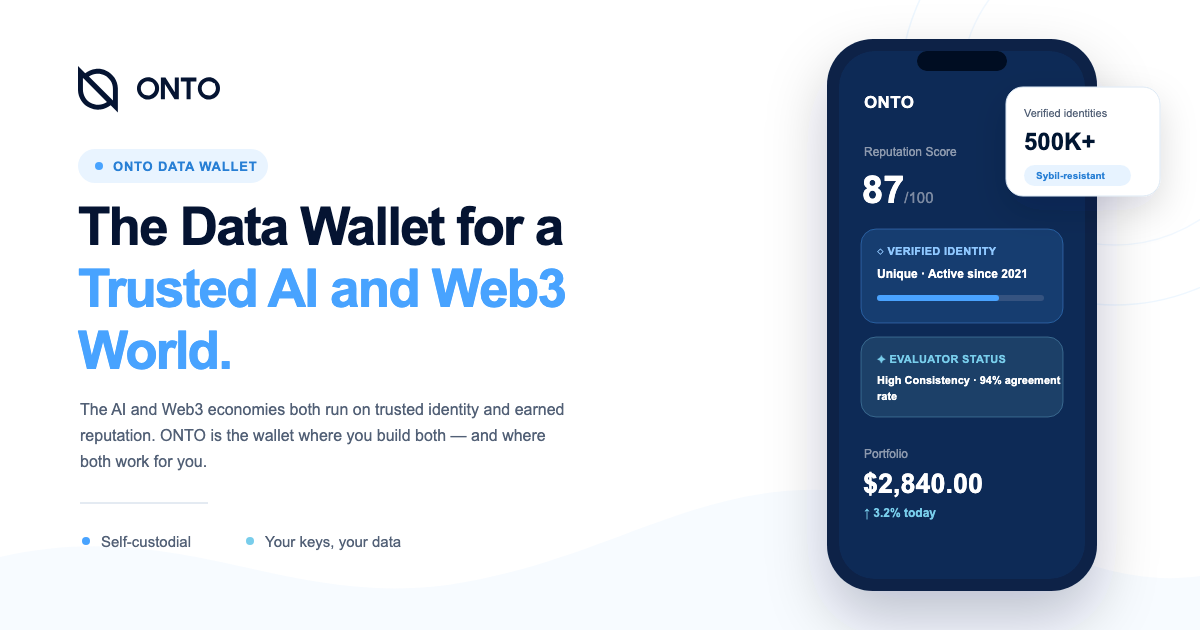
The best score is useless if your engineering team cannot integrate it. Review the API documentation for ease of use. Do they offer simple REST endpoints or complex GraphQL queries? Check the rate limits and pricing tiers. Some providers charge per query, which can become expensive if you are checking every user transaction. Others offer flat-rate subscriptions for unlimited checks. Ensure their SDK supports your tech stack to reduce development time.
| Provider Focus | Data Type | Update Frequency | Best Use Case |
|---|---|---|---|
| Formo | Engagement & Value | Near-real-time | User segmentation & Airdrops |
| ChainAware | Risk & Compliance | Real-time | DeFi risk management |
| Onto | Social & Identity | Daily | Community building |
Spot Weak Wallet Reputation Scores
Not every wallet reputation score tells the full story. Many platforms use proprietary algorithms that hide their data sources, making it hard to verify if a high score reflects genuine activity or just transaction volume. This opacity can lead to false confidence, especially when dealing with high-stakes compliance or institutional onboarding.
The Calculation Trap
A common mistake is assuming a score is a direct measure of security. In reality, most scores measure engagement and longevity. A wallet with five years of history and low activity might score higher than a new, active wallet. Always check if the scoring model weights transaction diversity, not just frequency. Without this context, a "good" score might mask a dormant or inactive asset.
Red Flags to Watch
Beware of scores that do not disclose their methodology. If a platform claims to rank wallet trustworthiness but offers no breakdown of factors like counterparty risk or regulatory flags, treat the metric with skepticism. Additionally, some scores ignore off-chain identity verification, which is critical for real-world compliance. Always cross-reference with on-chain analytics tools that provide transparent, granular data.
FAQ: Wallet Reputation Scores
What's a good reputation score?
A score above 75 generally indicates a healthy, low-risk wallet with consistent activity and clean transaction history. Scores between 50 and 75 suggest moderate risk, often due to infrequent use or minor permission overlaps. Anything below 50 warrants caution, as it may signal dormant accounts, exposure to sanctioned entities, or poor security hygiene. There is no universal threshold, but higher is always safer for institutional compliance.
How to calculate reputation score?
Calculators weigh four main dimensions: transaction history, address risk, security posture, and engagement consistency. They scan for interactions with mixers, darknet markets, or sanctioned addresses, assigning heavy penalties for each. They also check for exposed private keys or weak multi-sig setups. The final number is a weighted average, not a simple sum, meaning one major red flag can tank an otherwise clean score.
Which crypto wallet is the most trustworthy?
Trustworthiness depends on your security practices, not just the brand. Hardware wallets like Ledger and Trezor offer the highest baseline security by keeping keys offline. For on-chain reputation, however, the wallet address itself matters more than the interface. A well-managed MetaMask or Rabby wallet with a clean history scores higher than a neglected hardware wallet used only once. Always verify the address history, not just the software.
What 6 things should you not carry in your wallet?
- Large sums in a single hot wallet.
- Private keys stored digitally or in screenshots.
- Active connections to unverified dApps.
- Funds linked to high-risk mixers or sanctions lists.
- Unused tokens with hidden approval allowances.
- Personal identifiable information (PII) on-chain.
No comments yet. Be the first to share your thoughts!