What changed in 2026 scoring
The logic behind wallet reputation scoring has shifted from tracking user engagement to enforcing regulatory compliance. In previous years, scoring models prioritized activity metrics: transaction volume, token diversity, and network participation. A wallet that moved frequently and interacted with many protocols received a high score, regardless of where those funds originated.
In 2026, this behavioral approach was replaced by compliance-heavy models. The primary weighting factor is no longer how much you transact, but whether those transactions comply with evolving standards like the Travel Rule and OFAC sanctions. Scoring engines now integrate real-time blockchain analysis to flag interactions with sanctioned entities, mixers, or high-risk addresses. A high-volume wallet can receive a low reputation score if it touches illicit liquidity, effectively penalizing risk rather than rewarding activity.
This change reflects a broader industry pivot toward institutional adoption. Financial institutions and regulated exchanges require verifiable proof of clean funds before onboarding users. Reputation scores now serve as a gatekeeping mechanism, ensuring that only wallets with clean, traceable histories can access premium services. If you are building a strategy around wallet reputation, you must prioritize compliance hygiene over raw transactional volume.
Comparing top reputation providers
Finding a reliable wallet reputation scoring guide means looking past marketing claims to the actual methodology behind the numbers. In 2026, the landscape has shifted from simple transaction counting to complex behavioral profiling. Providers like Nomis, ChainAware, and Formo have developed distinct approaches to assessing wallet trustworthiness, each serving different compliance needs.
The choice of provider depends heavily on your specific risk tolerance and the type of blockchain activity you are monitoring. Some platforms prioritize historical on-chain behavior, while others integrate off-chain identity data or focus on real-time threat detection. Understanding these differences is essential for building a compliant infrastructure.
Nomis
Nomis focuses on behavioral clustering and entity resolution. Their approach groups wallet addresses into broader entities, allowing for a more accurate reputation assessment of the underlying human or organization behind the activity. This is particularly useful for identifying sophisticated bad actors who use multiple addresses to mask their behavior. Nomis is often preferred by institutions requiring deep entity-level insights.
ChainAware
ChainAware offers a comprehensive Wallet Auditor that generates detailed behavioral profiles. Their reputation score considers experience level, risk profile, and fraud indicators. ChainAware is known for its granular data sources and real-time monitoring capabilities, making it a strong choice for platforms that need immediate, actionable risk signals for every transaction.
Formo
Formo integrates multiple data sources to provide a holistic view of wallet reputation. Their model combines on-chain history with off-chain reputation signals, offering a balanced perspective on trustworthiness. Formo is particularly effective for DeFi applications where understanding the broader ecosystem reputation of a participant is crucial for risk management.
Cortex
Cortex uses a unique scoring system based on four key dimensions: win rate, entry timing, consistency, and diversity. This approach is more focused on trading performance and strategy rather than pure compliance risk. While less traditional for strict regulatory compliance, Cortex provides valuable insights for platforms focused on trader quality and strategic behavior.
| Provider | Primary Focus | Data Sources | Best For |
|---|---|---|---|
| Nomis | Entity Resolution | On-chain clustering | Institutional compliance |
| ChainAware | Behavioral Profiling | Real-time monitoring | High-frequency trading platforms |
| Formo | Holistic Reputation | On-chain + Off-chain | DeFi ecosystem management |
| Cortex | Trading Strategy | Performance metrics | Trader-focused platforms |
Choosing the right provider requires aligning their strengths with your specific compliance requirements. A one-size-fits-all approach rarely works in this space, so evaluating each option against your risk tolerance is critical.
| Provider | Primary Focus | Key Strength | Ideal Use Case |
|---|---|---|---|
| Nomis | Entity Resolution | Deep entity clustering | Institutional compliance |
| ChainAware | Behavioral Profiling | Real-time risk signals | High-frequency platforms |
| Formo | Holistic Reputation | Multi-source integration | DeFi ecosystems |
| Cortex | Trading Strategy | Performance-based scoring | Trader quality assessment |
How Wallet Reputation Scores Affect On-Chain Access
A wallet reputation score functions as your on-chain credit history. It tells protocols whether to grant you access or keep you on the sidelines. Think of it as a digital passport; a high score opens doors to liquidity pools and lower fees, while a low score flags you as a potential risk.
This system directly impacts your user experience. Protocols use these scores to automate compliance checks. If your wallet demonstrates a clean history, you may bypass tedious KYC steps. This reduces friction for legitimate users while stopping bots and fraudsters at the gate.
Security providers like CoInspect translate this data into a 0-100 score. They analyze transaction patterns and counterparty risks. A score based on these checklists helps users identify trustworthy wallets before interacting. It is not just about vanity; it is about practical access to the financial ecosystem.
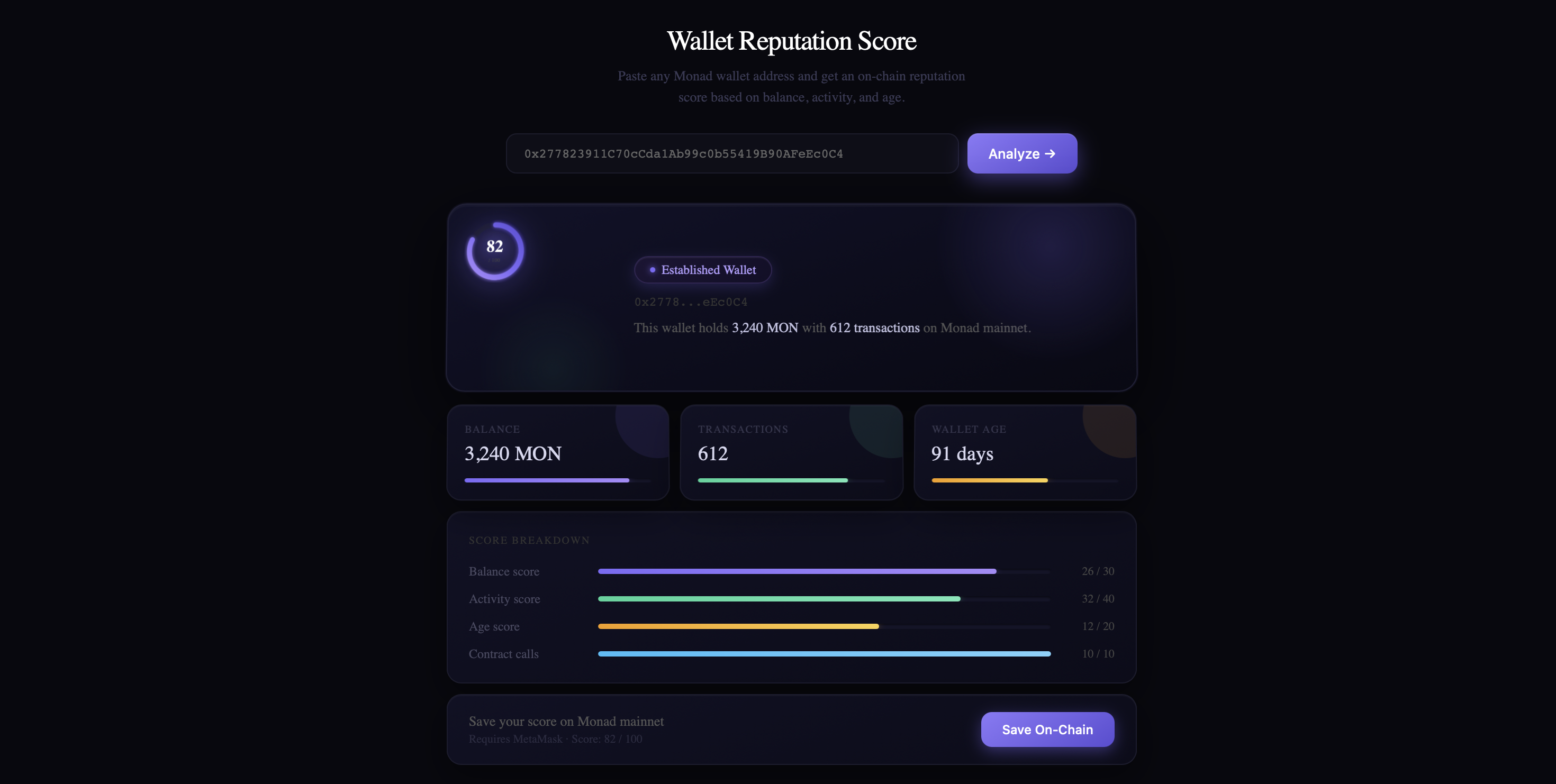
The practical outcome is a tiered access model. High-reputation wallets often enjoy priority processing and higher transaction limits. Conversely, wallets with poor scores may face restrictions or require additional verification. This dynamic ensures that the network remains secure without sacrificing usability for good actors.
Choosing the right infrastructure
Selecting a provider for wallet reputation scoring requires matching technical capabilities to your specific compliance obligations. Not all scoring engines are built for the same regulatory burden. A DeFi protocol needs real-time risk flags, while a fiat on-ramp requires detailed transaction history and jurisdictional filtering. Start by auditing your primary compliance needs before evaluating API performance.
Step 1: Define your regulatory scope
Your first step is to map your jurisdictional requirements. If you operate in the EU, you must support MiCA and AMLA standards. For US-based services, FinCEN BSA and OFAC sanctions screening are non-negotiable. Ensure the provider’s data sources explicitly cover these regions. A global score is useless if it misses a local regulatory nuance that triggers a compliance violation.
Step 2: Evaluate data granularity and latency
Reputation scores are only as good as their underlying data. You need to know if the provider updates scores in real-time or on a daily batch. For high-frequency trading or instant onboarding, real-time API latency is critical. Check if the provider offers granular transaction history or just a black-and-white risk flag. Detailed lineage helps your compliance team audit why a wallet was flagged.
Step 3: Assess API reliability and integration
Test the provider’s uptime and error rates. A downtime event during user onboarding can lead to significant revenue loss and customer friction. Look for providers with clear SLAs (Service Level Agreements) and robust SDKs that integrate smoothly with your existing stack. Ask for sandbox access to test edge cases before committing to a production contract.
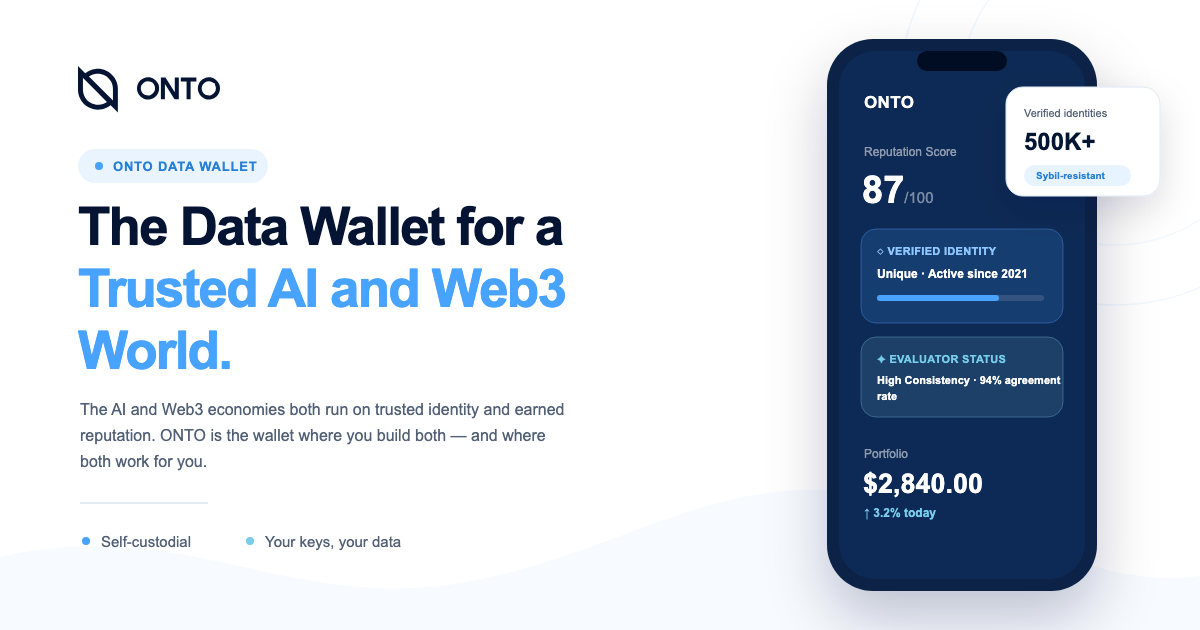
Map your jurisdictional requirements (e.g., MiCA, OFAC) to ensure the provider’s data sources explicitly cover your operational regions.
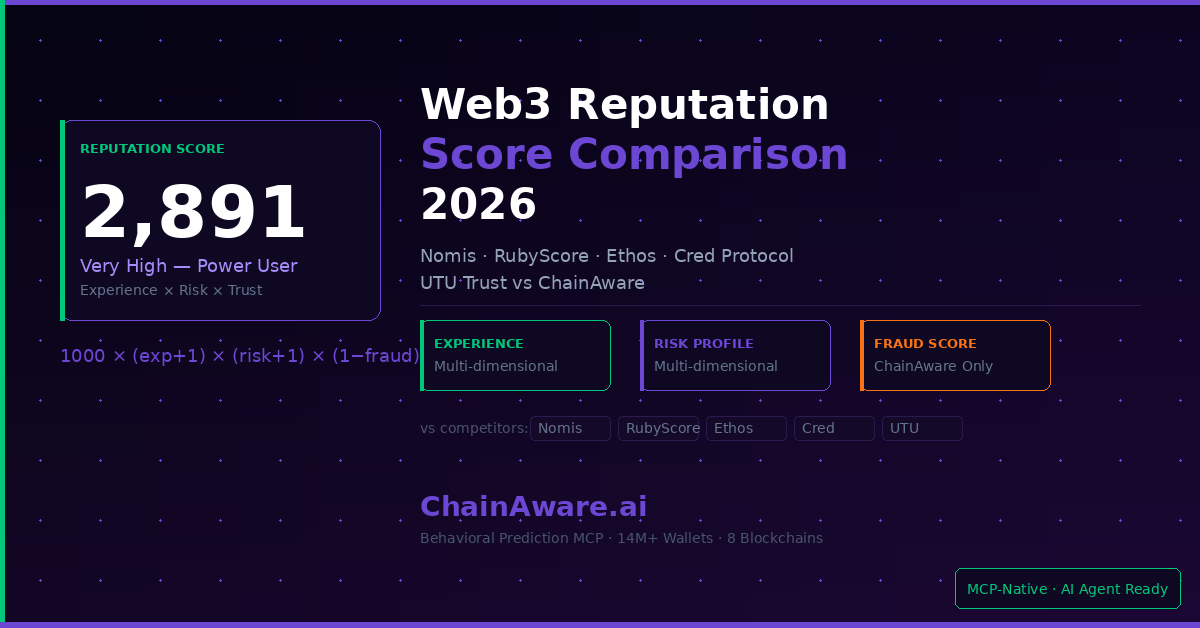
Determine if real-time updates and detailed transaction lineage are available to support your compliance team’s audit needs.
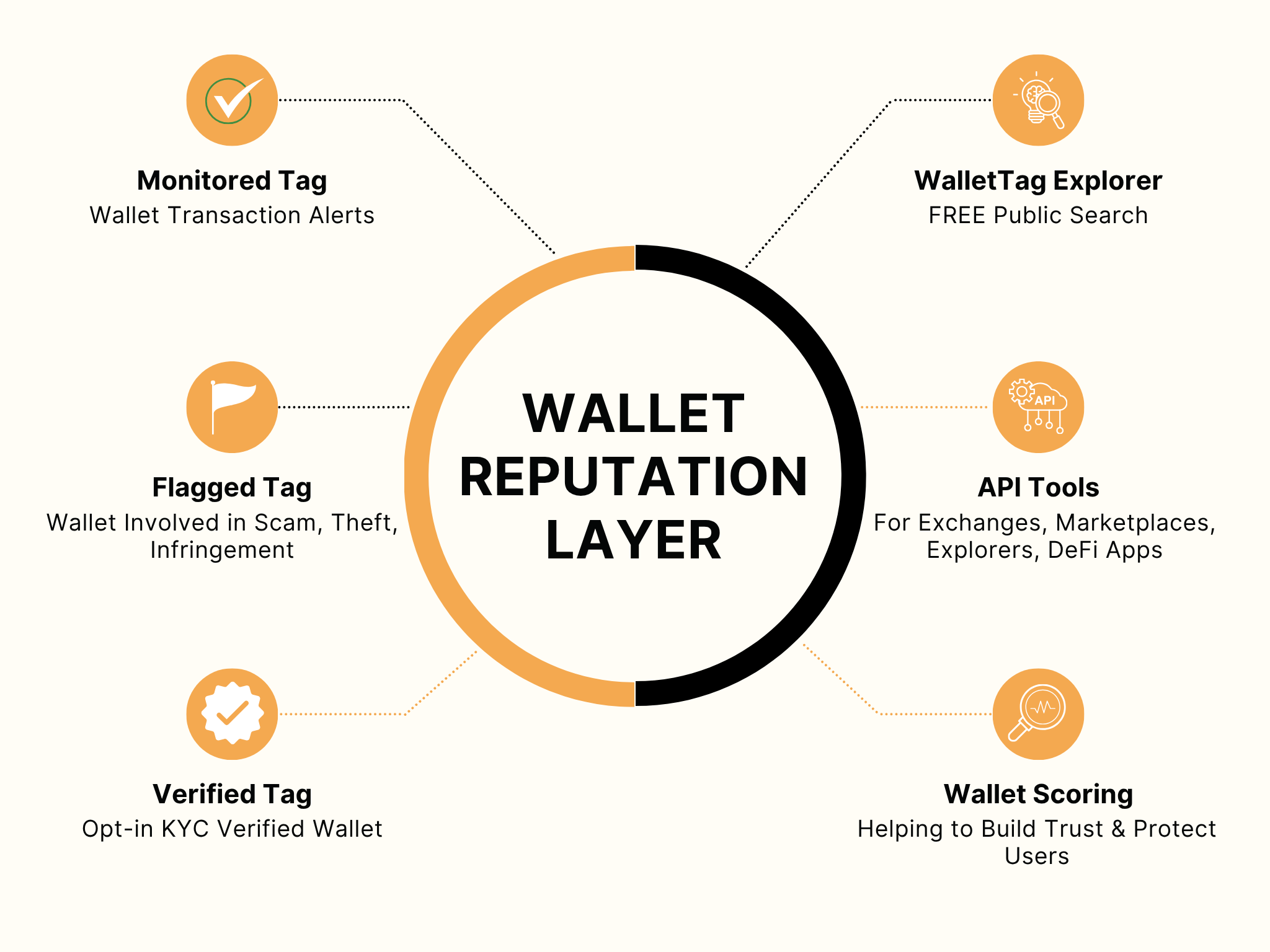
Test sandbox environments for latency, uptime, and SDK compatibility to ensure seamless integration with your existing tech stack.
Step 4: Compare pricing models
Finally, align the cost structure with your volume. Some providers charge per API call, which can become expensive at scale. Others offer tiered monthly subscriptions based on the number of wallets screened. Calculate your projected monthly volume to estimate total cost of ownership. Remember that the cheapest option may lack the compliance depth required for high-stakes financial operations.
Common questions about Wallet Reputation Scores
These questions address the core mechanics of how wallet reputation scores guide compliance and user verification in the current market.
No comments yet. Be the first to share your thoughts!