What wallet reputation scores measure
A wallet reputation score is a numerical value, typically ranging from 0 to 100, that quantifies the engagement and trustworthiness of a blockchain wallet. Unlike simple security audits that check for vulnerabilities or exchange ratings that reflect market sentiment, these scores are data-driven metrics derived from on-chain activity. They provide a standardized way to evaluate how reliable and valuable a specific wallet address is within the broader Web3 ecosystem.
The primary purpose of a wallet reputation score is to segment users based on their historical behavior rather than their current holdings. Platforms like bitsCrunch and Formo use these scores to assess the trustworthiness of wallets or associated platforms by analyzing transaction patterns, consistency of activity, and interaction with verified contracts. This approach moves beyond binary security checks to offer a nuanced view of a wallet's operational history.
For legal and regulatory audiences, this distinction is critical. A security audit confirms that a smart contract or wallet interface is free from known exploits, but it does not indicate how the wallet is used. A reputation score, however, reflects the quality of that usage. It helps identify whether a wallet is associated with high-risk activities, such as mixing services or interactions with sanctioned addresses, or if it demonstrates consistent, legitimate engagement with the network.
These metrics are not static. They evolve as the wallet accumulates more transactions and interactions. A high score suggests a history of reliable behavior, while a low score may indicate erratic activity or associations with known bad actors. This dynamic nature makes wallet reputation scores a vital tool for risk assessment, allowing platforms to make informed decisions about user access, transaction limits, and compliance requirements based on real-time data rather than static KYC documents alone.
Why traditional web3 metrics fail
Compliance teams have long relied on simple balance checks or exchange-only ratings to assess risk. These methods are like judging a person’s character by the clothes they wear at a single party. They offer a snapshot, but they miss the history, the context, and the behavior that actually defines reputation.
A wallet reputation score moves beyond these shallow indicators. It aggregates data across multiple chains and protocols to create a holistic view of a user’s activity. This approach is necessary because web3 interactions are fragmented. A user might be high-risk on one chain but compliant on another. Traditional metrics cannot capture this nuance.
Consider the limitations of balance-based scoring. A wallet holding a large amount of stablecoins might appear low-risk, but if those funds were recently moved from a mixer, the risk is high. Exchange-only ratings fail to account for non-custodial activity. They ignore the decentralized nature of modern finance.
Holistic reputation scores address these gaps. They analyze transaction patterns, counterparty risk, and historical behavior. This comprehensive data allows compliance officers to make informed decisions. It transforms vague suspicion into measurable risk. The result is a more accurate and defensible compliance framework.
Core inputs for reputation scoring
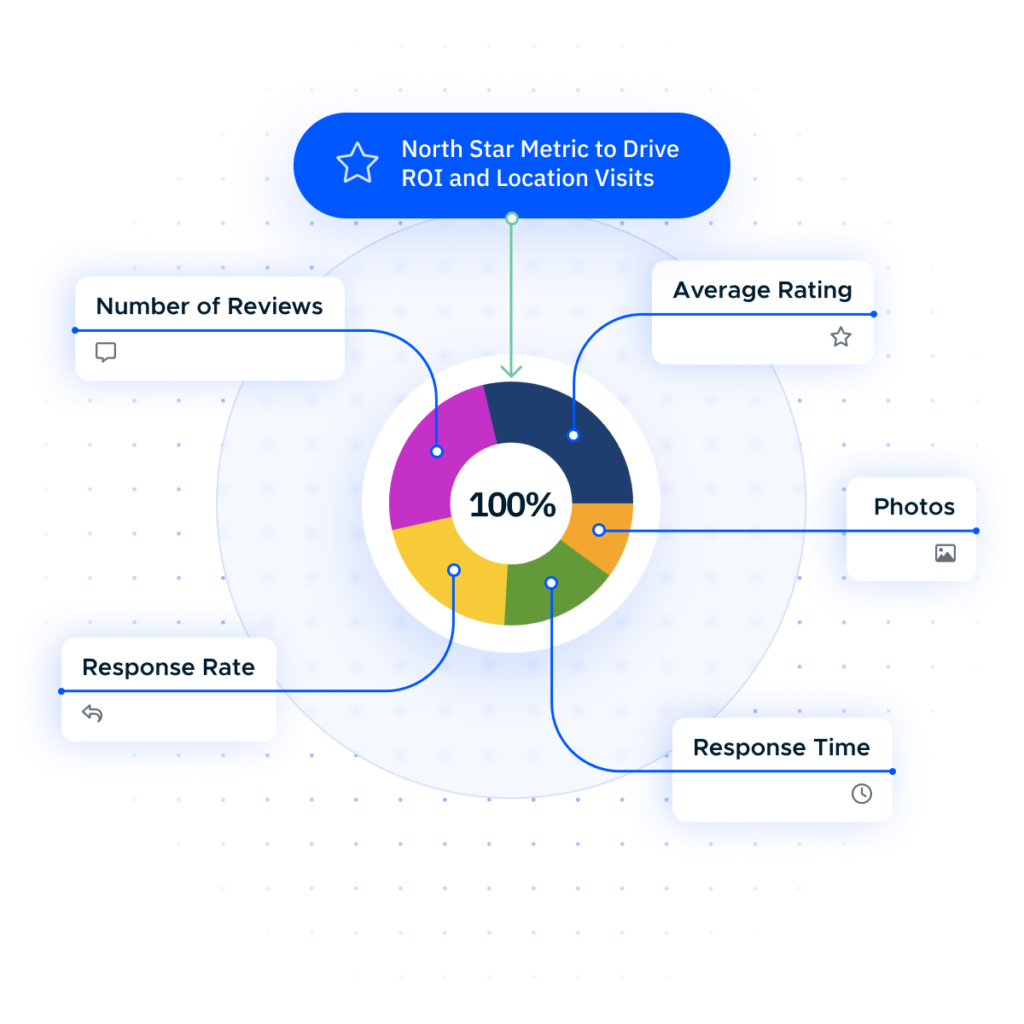
A wallet reputation score is not a single metric; it is a composite of several distinct data points. Unlike a security score, which might focus heavily on code audits and known vulnerabilities, a reputation score looks at behavior. It answers the question: "How does this wallet act in the wild?"
To build this profile, scoring engines ingest three primary categories of data. These inputs are weighted differently depending on the provider, but they generally fall into transaction history, entity linking, and risk flags.
Transaction patterns
The most granular input is the wallet's transaction history. This is not just about volume; it is about the nature of the interactions. Scoring models analyze the frequency, value, and counterparty diversity of transactions.
- Counterparty risk: Did the wallet interact with known darknet markets, mixers, or sanctioned entities? A single interaction might not tank a score, but a pattern of such interactions is a major red flag.
- Behavioral consistency: Is the wallet used for regular, predictable DeFi interactions, or does it exhibit erratic, high-frequency trading patterns often associated with bots or wash trading?
- Asset diversity: A wallet holding only one volatile meme coin may be viewed differently than one holding a diversified portfolio of established assets.
Known entity links
Wallets do not exist in a vacuum. They are often linked to real-world or identifiable digital entities. This section of the score relies on clustering algorithms that group addresses together.
- Exchange custody: Is the address associated with a centralized exchange (CEX) hot wallet? These are generally viewed as lower risk for illicit activity but higher risk for platform failure.
- Service providers: Links to known payment processors, NFT marketplaces, or lending protocols add a layer of legitimacy.
- Cluster associations: If a wallet is linked to a cluster that includes high-risk addresses, its reputation score will suffer, even if its own transactions are clean. This is known as "guilt by association."
Risk flags
Finally, the score incorporates real-time and historical risk flags. These are often binary or categorical indicators that signal immediate danger or compliance issues.
- Sanctions lists: Direct hits against OFAC, EU, or UN sanctions lists result in the lowest possible reputation score.
- Fraud reports: Aggregated data from community platforms and insurance funds regarding scams or hacks linked to the address.
- Regulatory alerts: Any pending or past regulatory actions against the entity controlling the wallet.
The following table illustrates how these inputs differ from a pure security audit.
| Input Type | Security Score Focus | Reputation Score Focus |
|---|---|---|
| Code/Contract | High (Audits, Vulnerabilities) | Low (Irrelevant) |
| Transaction History | Medium (Suspicious Patterns) | High (Behavior, Counterparties) |
| Entity Links | Low | High (CEX, Service Providers) |
| Sanctions/Fraud | Medium | Critical (Compliance, Trust) |
Understanding these inputs helps legal teams assess the true risk profile of a counterparty. A wallet may be technically secure but reputationally toxic, or vice versa. The distinction is critical for compliance.
Impact on compliance and privacy
Wallet reputation scores are reshaping how decentralized finance intersects with traditional financial regulations. For compliance teams, these scores offer a way to automate Anti-Money Laundering (AML) and Know Your Customer (KYC) checks. Instead of manually tracing every transaction, platforms can use a wallet’s history to gauge risk instantly. This shift moves compliance from a reactive audit to a proactive filter, allowing legitimate users to move faster while flagging suspicious activity early.
However, this efficiency comes with a significant trade-off. Privacy-preserving Web3 ideals rely on pseudonymity and data minimization. Reputation systems, by design, aggregate transaction data to build a profile. This creates tension: the more data you share to prove your trustworthiness, the less anonymous you become. Users must decide whether the convenience of faster onboarding is worth the permanent digital footprint left by risk-scoring algorithms.
The core challenge is balancing security with sovereignty. If a reputation score becomes the gatekeeper for all DeFi access, it effectively centralizes trust in the very entities Web3 sought to decentralize. Regulatory bodies are watching closely, seeking frameworks that allow for compliance without sacrificing the fundamental privacy principles of blockchain technology. The future of this space depends on finding a middle ground where risk is managed without turning every wallet into a fully identified account.
BTC Price Context
How to check your reputation score
Checking your wallet reputation score is the first step in verifying your standing in the Web3 ecosystem. These scores evaluate trustworthiness based on on-chain activity, transaction history, and security posture. By understanding how these metrics are calculated, you can better assess the risk profile of your own assets or those you interact with.
Start by selecting a tool that specializes in wallet security and reputation analysis. Platforms like Coinspect or bitsCrunch provide detailed breakdowns of wallet behavior. Coinspect’s Security Score, for instance, ranges from 0 to 100 and weighs critical security checklists heavily. Ensure the platform you choose offers transparent methodology, as this is essential for regulatory compliance and risk assessment.
Most reputation tools require you to input your public wallet address or connect via a secure browser extension. This allows the platform to scan your transaction history across various blockchains. Be cautious when connecting wallets to third-party services; always verify the URL and permissions requested. The goal is to gather data without exposing private keys or signing unnecessary transactions.
Once the scan is complete, review the detailed report. Look beyond the final score to understand the underlying factors. Did your score drop due to interactions with flagged addresses? Was it affected by a lack of transaction diversity? Understanding these nuances helps you identify specific areas for improvement or risk mitigation. A high score indicates consistent, clean activity, while a low score may signal exposure to high-risk entities.
Regularly monitoring your wallet reputation is not a one-time task. As blockchain ecosystems evolve, new risks emerge, and your score may fluctuate based on your recent interactions. By keeping an eye on these metrics, you maintain a clearer picture of your digital identity’s health and reliability.
No comments yet. Be the first to share your thoughts!