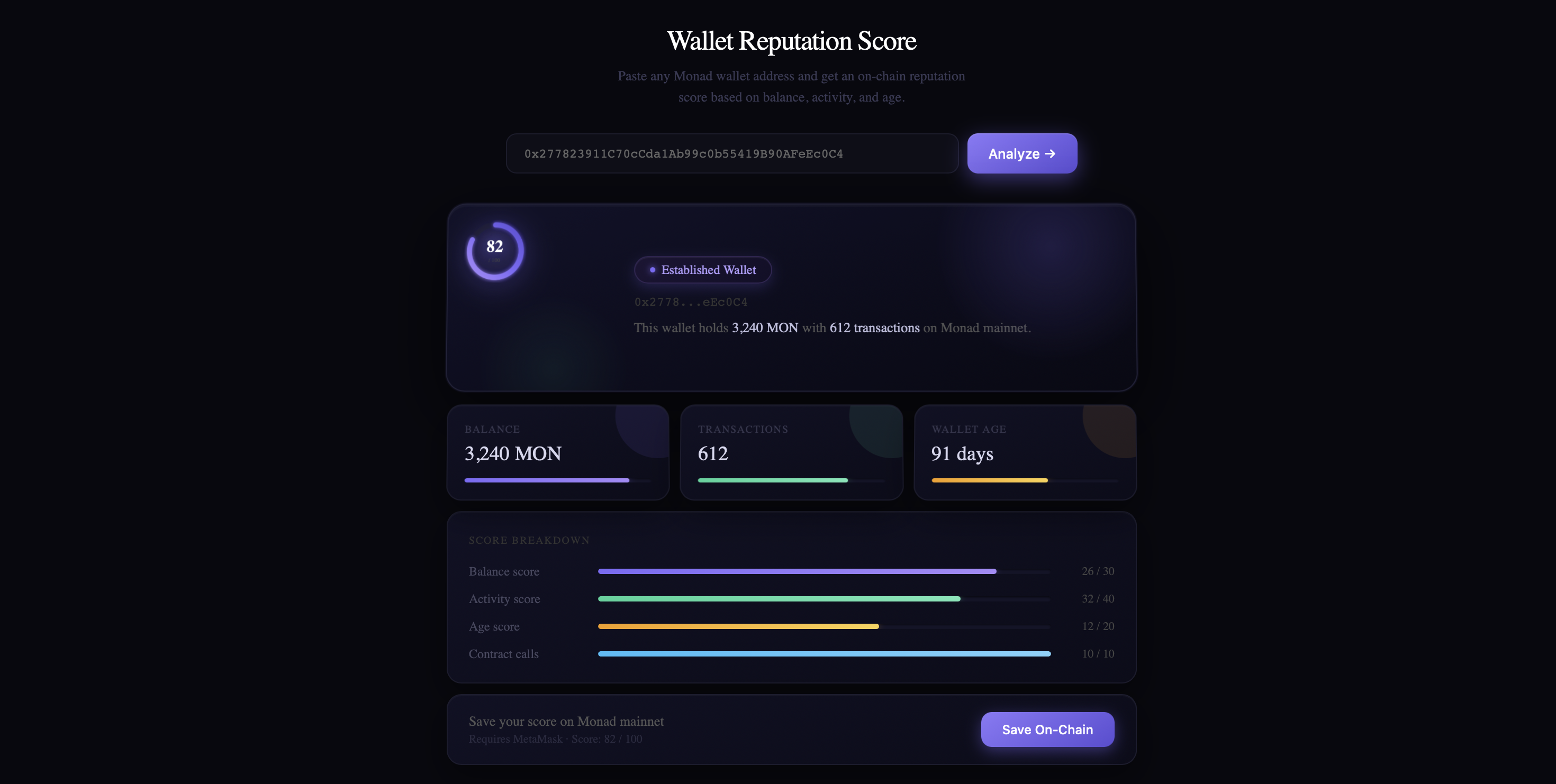
What wallet reputation scores measure
A wallet reputation score is a numerical metric, typically ranging from 0 to 100, that evaluates the trustworthiness, engagement, and long-term value of a blockchain address. Unlike a simple security ranking that flags known bad actors, a reputation score provides a nuanced view of a wallet’s behavior over time. It aggregates data on transaction patterns, interaction with smart contracts, and historical risk exposure to create a composite profile of reliability.
This distinction matters for compliance because it shifts the focus from binary "safe or unsafe" judgments to a spectrum of risk. Compliance teams use these scores to gate access to services, adjust transaction limits, or trigger enhanced due diligence. A high score indicates a wallet that behaves predictably and interacts primarily with reputable protocols, while a low score might reveal links to mixers, sanctioned entities, or high-frequency suspicious activity.
By understanding what these scores measure, you can better interpret the signals your compliance infrastructure receives. It’s not about whether a wallet is "clean" in a legal sense, but whether it presents a manageable risk profile for your specific use case. This data-driven standard allows for more precise segmentation of users, ensuring that legitimate activity isn’t blocked while high-risk interactions are flagged for review.
How on-chain identity changes compliance
The era of pseudonymous transactions is ending. Regulatory bodies are moving from vague warnings to specific mandates, requiring exchanges and service providers to know exactly who is behind a wallet address. This shift is driven by the need to prevent illicit finance, forcing the industry to replace anonymity with identifiable, reputation-backed interactions.
At the core of this change is wallet risk scoring. This process evaluates the risk associated with a crypto wallet address by identifying its transaction patterns and links to known bad actors. Instead of treating all addresses equally, platforms now gate access based on a score that reflects a wallet's history. A clean history might grant full access, while a wallet linked to darknet markets or mixer protocols triggers immediate scrutiny or denial.
This transition is not just technical; it is a legal requirement. Under frameworks like the EU’s MiCA and evolving US Treasury guidelines, service providers must conduct due diligence that goes beyond simple identity verification. They must analyze the behavior of the funds themselves. This creates a new layer of compliance where the wallet's reputation is as important as the user's passport.
| Aspect | Old Model | New Model |
|---|---|---|
| Identity | Pseudonymous | Verified & Scored |
| Access | Open to all | Gated by reputation |
| Compliance | Post-transaction AML | Real-time risk assessment |
The result is a more controlled but significantly safer environment. While some users may feel this reduces privacy, it is the only viable path for institutional adoption and broad regulatory acceptance. Without this infrastructure, crypto remains a high-risk asset class for traditional finance.
Comparing top reputation scoring models
The wallet reputation landscape has shifted from simple transaction counting to complex behavioral profiling. Compliance teams no longer need to guess whether a counterparty is high-risk; they can query structured scores that reflect on-chain history, entity associations, and regulatory flags. However, not all providers build their models the same way. Choosing the right infrastructure depends on whether you prioritize raw data depth, real-time gating speed, or specific regulatory alignment.
The following table breaks down the primary differences between the leading reputation scoring providers. Each platform offers a distinct approach to aggregating and weighting on-chain data, which directly impacts how you integrate them into your compliance stack.
| Provider | Core Methodology | Data Scope | Primary Use Case |
|---|---|---|---|
| Nomis | Entity-based graph analysis | Cross-chain, exchange-linked | Institutional KYT & AML gating |
| RubyScore | Behavioral clustering | Multi-chain activity history | DeFi access control & scoring |
| ChainAware | Wallet auditor profiling | Experience level & risk flags | Security auditing & fraud detection |
| Bitscrunch | On-chain metric aggregation | Wallet reliability metrics | General trustworthiness evaluation |
When evaluating these models, look closely at the data scope. Providers like Nomis excel at linking wallet addresses to known entities, which is critical for sanctions screening. In contrast, RubyScore and ChainAware focus more on behavioral patterns, making them better suited for dynamic gating in DeFi protocols. The decision ultimately hinges on whether your primary friction point is regulatory compliance or user experience.
Using scores for risk and access control
Wallet reputation scores are no longer just for background checks; they are active gatekeepers in the DeFi ecosystem. Protocols now use these scores to decide who can interact with their smart contracts and how much they can move. This shift moves compliance from a post-mortem investigation to a real-time decision engine.
Gating DeFi Access
The most direct application of scoring is access control. High-risk wallets—those linked to mixers, sanctioned addresses, or illicit activity—are often blocked from interacting with regulated platforms. This "gating" mechanism ensures that only users with acceptable risk profiles can mint NFTs, stake tokens, or provide liquidity. It effectively creates a permissioned layer on top of the public blockchain, satisfying regulatory requirements without shutting down the entire network.
Setting Transaction Limits
Beyond binary access, scores inform dynamic transaction limits. A wallet with a moderate risk score might be allowed to transact, but with daily caps or additional verification steps. This tiered approach balances security with user experience. It prevents large-scale illicit flows while allowing legitimate users to operate freely. The system adjusts these limits based on the wallet's history and current market conditions, creating a fluid risk environment.
Identifying High-Risk Addresses
Continuous monitoring is essential for maintaining this infrastructure. Protocols must constantly re-evaluate wallet scores as new data emerges. A wallet that was clean yesterday might be compromised today. Automated systems flag these changes in real time, allowing protocols to freeze assets or require re-verification instantly. This proactive stance is critical for preventing money laundering and ensuring the integrity of the financial rails.
Balancing transparency with user privacy
Reputation scoring systems face a fundamental tension: they require data to function, but that data often reveals sensitive user behavior. In legal and regulatory contexts, the value of a score depends on its accuracy, which in turn depends on the depth of the data collected. A system that aggregates on-chain history, transaction patterns, and interaction logs can identify high-risk entities with precision. However, this same granularity can expose a user's financial habits, counterparty relationships, and strategic moves.
The core tradeoff lies in the level of detail exposed during verification. High-fidelity scores might link a wallet to specific DeFi protocols or NFT collections, providing rich context for compliance teams. Yet, this information can also be weaponized for front-running, targeted phishing, or social engineering attacks. Conversely, privacy-preserving methods like zero-knowledge proofs allow a user to prove they meet a reputation threshold without revealing the underlying data. While this protects user autonomy, it can also obscure the very signals that regulators and institutions rely on to assess risk.
For high-stakes analysis, the choice of scoring methodology dictates the balance. Systems that prioritize transparency often sacrifice privacy, creating a clear audit trail that is valuable for litigation but risky for the user. Systems that prioritize privacy may limit the scope of verifiable claims, potentially hindering institutional adoption. Understanding this spectrum is essential for determining which reputation infrastructure aligns with specific legal and compliance requirements.
Frequently asked questions about wallet scores
Wallet reputation scores act as a compliance gate, helping projects and users assess risk before engaging on-chain. Because scoring methodologies vary, it is important to understand what these numbers actually measure.
No comments yet. Be the first to share your thoughts!